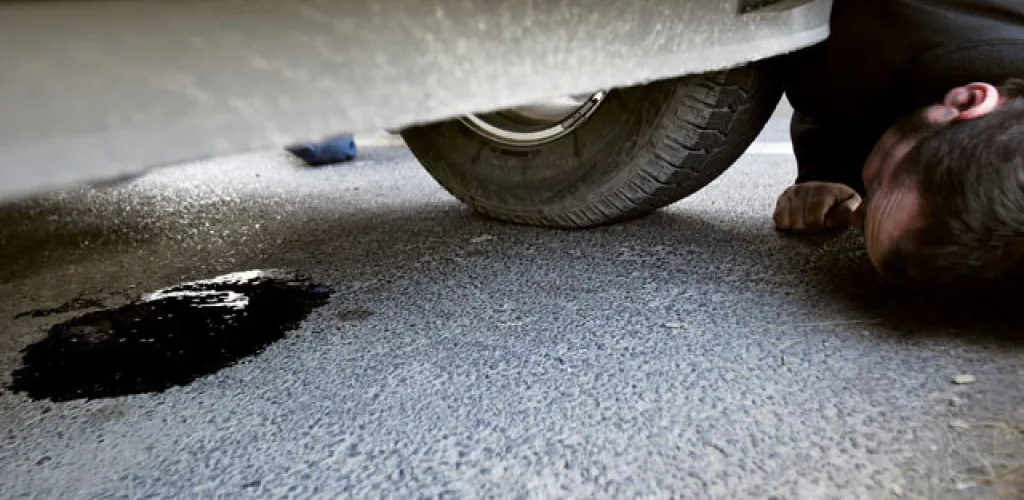
- Identify fluid by color and texture; brake fluid leaks are extremely dangerous.
- Turn off the engine, check reservoirs, document the problem, and call for towing.
- Do not drive with major leaks like brake fluid, antifreeze, or oil.
- Regularly inspect for leaks, and check fluid levels monthly to prevent issues.
Fluid leaks under the car can be worrying for any driver. While some leaks can be relatively benign, others may indicate serious problems that threaten your safety and the vehicle’s integrity. We’ll analyze step by step what you should do in this situation.
Identifying the type of fluid leaking
The first essential step is to determine what fluid is leaking from your car. Each type of fluid has specific characteristics that can help you identify it:
Brake fluid
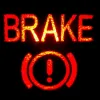
Brake fluid is usually clear or pale yellow, with an oily texture. A leak of brake fluid is extremely dangerous - the braking system can fail completely, endangering your life and other road users.
Antifreeze (coolant)
Antifreeze coolant is typically green, red, blue, or orange, depending on brand and type. It has a sweet smell and a viscous texture. A leak can lead to engine overheating, with very costly consequences.
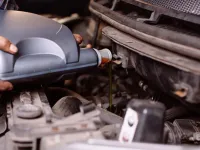
Engine oil
Engine oil is black or dark brown (if old) or yellow-brown (if freshly changed). It has a thick, greasy texture. Oil leaks can indicate issues with gaskets, filters, or the sump.
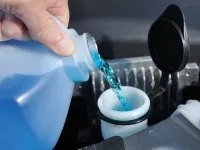
Windshield washer fluid
This fluid is usually blue or light green, with a watery texture and a characteristic alcohol odor. It is the least dangerous among all leak types.
Locating the source of the leak
To identify the source of the problem, follow these steps:
Visual inspection
- Position the car on a level surface and observe where the main spot forms
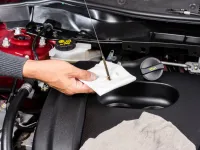
- Check under the hood all liquid reservoirs to identify low levels
- Follow the path of the leak from the origin to the spot where it formed
Checking critical components
- Radiator: visually inspect the radiator for cracks, corrosion or loose connections
- Hoses: check all hoses for cracks, aging or faulty connections
- Reservoirs: check levels in all fluid reservoirs
When it is safe to drive and when not
Situations where you should not drive
Brake fluid leaks:
- Extreme danger - the braking system may fail
- Stop the car immediately and arrange towing
Major antifreeze leaks:
- The engine can overheat within minutes
- Repairs can cost thousands if the engine seizes
Significant oil leaks:
- Oil pressure can drop drastically
- The engine may suffer irreversible damage
When you can continue driving with caution
Minor windshield washer fluid leaks:
- You can drive, but schedule a service visit as soon as possible
- The lack of fluid can affect the pump and costs will rise
Very small antifreeze leaks:
- Only if the reservoir level is still adequate
- Monitor the engine temperature constantly
- Head to the nearest service
Emergency measures and prevention
What to do immediately
- Turn off the engine if you notice major leaks
- Check levels in all reservoirs
- Document the problem with photos for the mechanic
- Contact a service or arrange towing
Prevention tips
- Regularly inspect the car for signs of leaks
- Check monthly the levels of all fluids
- Follow the manufacturer’s maintenance intervals
- Replace aging hoses and gaskets on time
Repair costs by leak type
Costs can vary considerably depending on the severity of the issue:
- Windshield washer fluid: 50-150 lei (pump or reservoir replacement)
- Engine oil: 100-800 lei (depending on the affected gasket)
- Antifreeze: 200-1500 lei (radiator repair or hose replacement)
- Brake fluid: 300-1200 lei (replacement of brake system components)
Delaying repairs can multiply these costs, especially with engine or brake system problems.
Conclusion
Finding liquid under your car doesn’t have to be a panic moment, but it requires immediate attention and proper assessment. Quickly identifying the type of leak and taking appropriate action can prevent costly damage and even save lives in the case of brake system issues. When in doubt, it is always safer to seek help from a professional rather than taking a risk.