- Old brake fluid absorbs moisture, lowers boiling point and forms vapor bubbles.
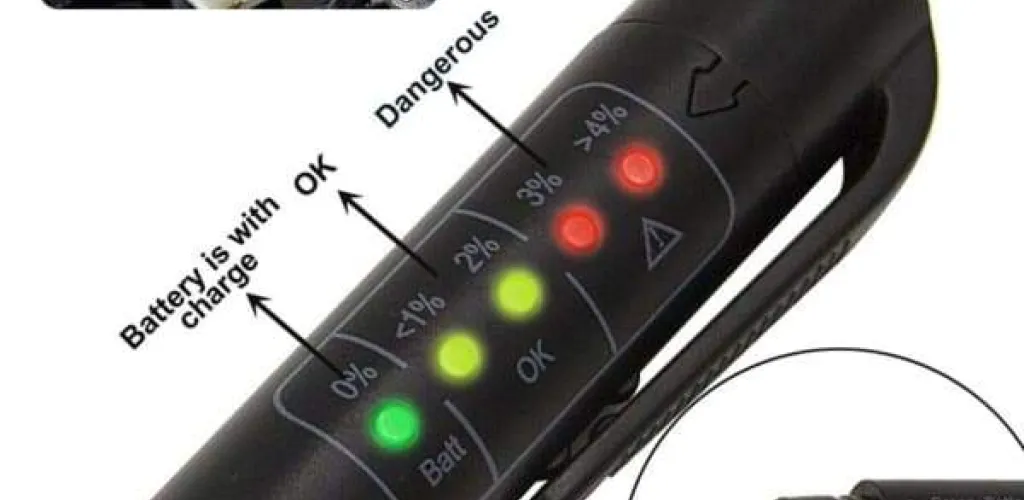
- Boiling point and conductivity testers measure fluid quality; results shown via traffic lights.
- Green: under 2% water; Yellow: 2-3%; Red: above 3%—replace immediately.
- Personal testers enable regular checks and potential savings.
Brake fluid is one of the most critical components for vehicle safety, and periodic testing of its quality can prevent serious accidents. Modern technology has made professional-grade tools accessible to everyday drivers, and brake fluid testers are a perfect example of this trend.
While many drivers rely on visual checks or service intervals, a dedicated tester provides objective data on moisture content and fluid condition, allowing timely maintenance before issues arise.
Why old brake fluid is extremely dangerous
Old brake fluid is notorious among professional mechanics as the “silent killer” of the braking system. This dramatic label is not accidental — it reflects the gravity of problems that can occur when the fluid no longer meets optimal parameters.
The main problem with old brake fluid lies in its affinity for moisture. Being hygroscopic, brake fluid naturally absorbs humidity from the air, which leads to:
- Boiling point drop from about 230°C to below 150°C
- Formation of vapor bubbles in the hydraulic system at high temperatures
- Corrosion of metal components in the system
- Complete loss of braking efficiency in critical situations
Consequences of a complete brake system failure
When contaminated brake fluid reaches its boiling point, the resulting vapors are compressible, unlike the liquid. This means pressing the brake pedal will no longer transmit the necessary force to the calipers, resulting in:
- A soft pedal or one that goes to the floor
- Significantly increased braking distance
- Extremely high risk of accident
- Potential material and human damage
How modern brake fluid testers work
Auto service shops now use two main types of testers to evaluate brake fluid quality:
1. Boiling point testers
These devices collect a sample from the vehicle reservoir and heat it under controlled conditions to determine the exact temperature at which boiling begins. A brake fluid in good condition should have a boiling point above 200°C.
2. Conductivity testers
Modern testers operate on the principle of electrical conductivity assessment of the fluid. They use:
- Precision sensors for measuring conductivity
- Sophisticated internal circuitry with programmed algorithms
- Automatic calculation of the water content in the fluid
- Traffic-light style display for quick interpretation of results
Interpreting test results
The traffic-light style display used by most modern testers is intuitive:
Green light: Brake fluid is within normal parameters (water content under 2%) Yellow light: Fluid begins to degrade (2-3% water content) – recommended replacement within the next 6 months Red light: Fluid is dangerous (over 3% water content) – immediate replacement required
Benefits of using a personal tester
Although these tools were once reserved for professionals, their availability on the consumer market offers several advantages:
- Regular checks: You can test brake fluid monthly or before long trips
- Savings: Avoid unnecessary fluid changes recommended only by mileage
- Increased safety: Detect issues before they become critical
- Better understanding: Learn more about your vehicle
Tips for buying a quality tester
If you’re considering purchasing a personal brake fluid tester, keep in mind the following:
Essential features
- Clear and easy-to-interpret display
- Certified measurement accuracy
- Battery-powered operation
- Robust construction for garage use
Selection criteria
- Brand and manufacturer reputation
- Other users’ reviews
- Warranty offered
- Ease of use
- Value for money
Brake system maintenance for maximum safety
Besides testing the fluid, it is important to follow other brake system maintenance aspects:
- Check brake fluid level monthly
- Visually inspect hoses and fittings
- Check brake pads and rotors
- Adhere to manufacturer-recommended replacement intervals
- Use only brake fluid specified in the vehicle manual (DOT 3, DOT 4 or DOT 5.1)
Regular brake fluid testing with a quality instrument is a small investment in your safety and that of other road users. Modern technology now allows us to stay better informed about the mechanical state of our vehicles, and using these tools can make the difference between a safe journey and a potentially tragic situation.