- P0851 means low voltage in the park/neutral input circuit of the switch.
- Causes include incorrect adjustment, faulty sensor, wiring, or grounding issues.
- Symptoms: Check Engine light, AWD failure, hard shifts, or limp mode.
- Diagnostics involve OBD-II scan, live data, and electrical testing.
The P0851 code is a critical diagnostic affecting vehicles with automatic transmissions and all-wheel drive (AWD). This fault code signals problems with the park/neutral input circuit of the park/neutral switch, essential for the proper operation of the transmission system and for driver safety.
In this article, we explain what the P0851 code means, how the park/neutral system works, common causes, symptoms, a detailed diagnostic process, repairs, costs, and preventive measures for owners.
What the P0851 code means
The P0851 code is defined as “Park/neutral input circuit of the input switch - low voltage.” This diagnostic trouble code (DTC) appears exclusively on vehicles equipped with automatic transmissions and all-wheel drive.
The essence of the problem is that the Powertrain Control Module (PCM) has detected a voltage that is too low in the park/neutral input circuit of the switch, compared to the manufacturer’s specifications under current operating conditions.
Park/neutral system operation
Role of the PCM
The PCM uses data from a wide range of sensors to calculate:
- Engine speed
- Ignition timing
- The amount of fuel delivered
- Transmission shift strategy
Function of the Park/Neutral switch
The Park/Neutral switch serves to:
- Determine the gear position of the transfer case
- Provide data for the shift strategy
- Control maneuvers specific to the all-wheel drive system
Most switches operate on a variable-resistance principle, and the PCM interprets voltage levels to determine the exact position.
Main causes of the P0851 code
Adjustment problems (the most common cause)
- Incorrect adjustment of the transfer case position sensor
- Improper installation after recent repairs
- Incorrect positioning of mounting bolts
Component failures
- Faulty or damaged position sensor
- Wear of the park/neutral switch
- Deterioration of the shift solenoids
Electrical problems
- Open, corroded, or shorted wires
- Damaged or corroded connectors
- Corrosion at the sensor connector
- Issues with power supply or grounding for the system
Mechanical problems
- Issues with the transfer case housing
- Internal transmission component wear
- Damage to 4x4 engagement mechanisms
Symptoms of the P0851 code
Visible and functional signs
- The Check Engine light illuminates
- Inability to engage all-wheel drive (AWD)
- Very hard or impossible gear shifts
- Vehicle entering limp mode
Performance issues
- Difficult starting in certain shift positions
- Reduced fuel economy
- Unpredictable transmission behavior
- Vibrations or abnormal noises
Detailed diagnostic process
Required equipment
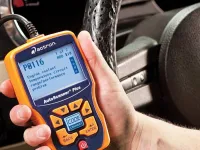
- Professional OBD-II scanner or advanced code reader
- Precision digital multimeter
- Vehicle-specific electrical schematic
- Basic tools for disconnecting connectors
Diagnostic steps
1. Initial scan and analysis
- Connect the OBD-II scanner and read all codes
- Record live data parameters
- Check the frequency of the code’s appearance
- Analyze the conditions under which the error occurs
2. Thorough visual inspection
- Carefully inspect all visible wiring
- Check connectors for signs of corrosion
- Inspect the position sensor and its mounting
- Evaluate the integrity of the transfer case
3. Advanced electrical testing
- Measure the supply voltage at the switch
- Check continuity and resistance of circuits
- Test output signals in different positions
- Compare values with manufacturer specifications
4. Dynamic functional test
- Clear codes and perform road test
- Monitor real-time behavior
- Verify operation under different driving conditions
Common diagnostic errors
Common technician errors
- Premature sensor replacement without checking adjustment
- Neglecting inspection of electrical connections
- Ignoring recent transmission repair history
- Not testing the PCM when all components appear functional
Incorrect approaches
- Focusing solely on expensive components
- Skipping checks of power supply and grounding
- Failing to trace the entire electrical circuit
- Diagnosing based only on symptoms without measurements
Severity and repair urgency
Safety risks
- May lead to dangerous driving situations
- Unexpected loss of all-wheel drive
- Unpredictable transmission behavior
Impact on the vehicle
- The vehicle may not run at all
- Further damage to the transmission
- Repair costs may rise over time
Need for immediate action
- Repairs should be performed urgently
- Avoid driving until the problem is resolved
- Consult a transmission specialist
Solutions and repair methods
Simple repairs (60-80% of cases)
- Readjusting the position sensor – the most common solution
- Cleaning and securing corroded connections
- Reinstalling the mounting bolts correctly
- Resetting and recalibrating the system
Component replacements
- Replacing the defective position sensor
- Replacing damaged connectors
- Repairing or replacing affected wiring
- Installing new corrosion-resistant connectors
Complex repairs
- Replacing the park/neutral switch
- Repairing the transfer case
- Reprogramming or replacing the PCM (very rare)
- Partial transmission rebuild
Costs and time required
Estimates for different repair types
Minor repairs
- Sensor adjustment: 30-60 minutes, minimal cost (50-100 lei)
- Cleaning connectors: 20-40 minutes, low cost
Standard replacements
- Position sensor: 1-2 hours, 200-500 lei (including part)
- Electrical connectors: 1-1.5 hours, 150-300 lei
Complex repairs
- Wiring harnesses complete: 2-4 hours, 300-600 lei
- Park/neutral switch: 3-5 hours, 500-1000 lei
- PCM repairs: 2-3 hours, 800-1500 lei
Factors influencing cost
- Vehicle make and model
- Accessibility of components
- Need for OEM vs aftermarket parts
- System electrical complexity
Prevention and maintenance
Essential preventive measures
- Regular transmission maintenance per schedule
- Periodic inspection of electrical connections (every 6 months)
- Visual inspection of exposed wiring
- Use of only high-quality replacement parts
After transmission repairs
- Mandatory recalibration of all sensors
- Full functional testing of the system
- PCM calibration per specifications
- Documentation of all changes
Early warning signs to monitor
- Changes in transmission behavior
- Unusual 4x4 engagement noises
- Changes in fuel consumption
- Intermittent Check Engine light illumination
Recommendations for vehicle owners
When the P0851 code appears, it is essential to:
- Do not ignore the problem, even if the vehicle seems to run normally
- Consult a transmission specialist, not a general mechanic
- Request a full diagnostic before any repair
- Keep documentation of all repairs for future reference
The P0851 code may seem complex, but with proper diagnostics and repairs, issues can be resolved effectively, restoring normal operation of the transmission and all-wheel drive system.