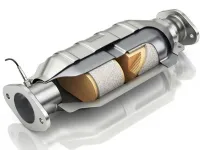
- Converts toxic exhaust gases into CO2 and water vapor.
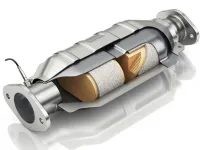
- Uses a ceramic honeycomb core coated with alumina and Pt/Pd/Rh catalysts.
- Operates at 400-800°C and can convert up to 98% of pollutants.
The catalytic converter is one of the essential components of the modern exhaust system, playing a key role in dramatically reducing the engine’s pollutant emissions. This device converts harmful compounds in exhaust gases into substances harmless to the atmosphere, helping protect the environment and ensuring compliance with increasingly strict emission standards.
For any vehicle owner, understanding how the catalytic converter works and identifying potential problems can save significant time and money. From preventive cleaning to emergency repairs, there are various maintenance methods you can apply at home before consulting a specialized service.
why emissions from engines occur
To understand the importance of the catalytic converter, we must analyze the source of the problem: why do engines produce harmful emissions? Internal combustion engines run on fuels derived from petroleum—gasoline or diesel—that are composed mainly of hydrocarbons.
In theory, burning hydrocarbons in the presence of oxygen should produce only carbon dioxide and water, harmless elements. In reality, the situation is more complex.
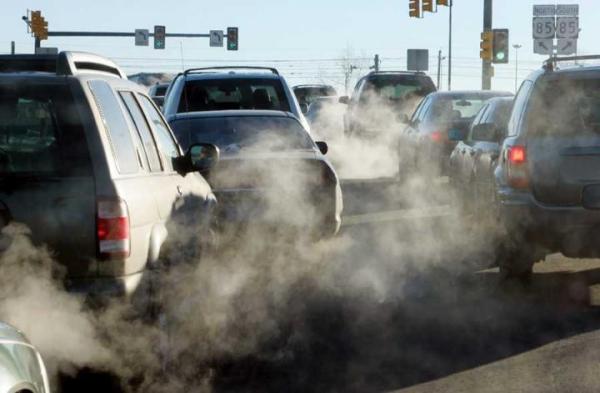
Gasoline contains about 150 different chemical compounds, not only simple hydrocarbons but also numerous additives for octane, detergency, and stability. This complexity makes combustion never perfectly clean.
The result is polluting emissions that include:
- Carbon monoxide (CO) – a highly toxic gas
- Volatile organic compounds (VOCs)
- Nitrogen oxides (NOx)
- Fine particulates suspended in the air
- Unburned hydrocarbons
These harmful molecules are formed from atoms that, individually, are harmless. The solution is to find a way to break down these molecules after they leave the engine but before they reach the atmosphere. This is where the catalytic converter, with its sophisticated technology, comes into play.
internal structure of the catalytic converter
The modern catalyst can convert up to 98% of the harmful gases in the exhaust into less harmful emissions. This impressive performance is made possible by refined technology and precious materials.

internal structure
The interior of the catalytic converter contains a dense honeycomb ceramic structure that provides maximum contact surface. This structure is coated with layers of:

- Alumina oxide – increases active surface and supports the catalysts
- Precious metals – platinum, palladium, and rhodium acting as catalysts
- Insulating layers – protect and maintain optimal temperature
catalytic process
Because of its close placement to the engine, the converter operates at working temperatures of 400-800°C. At these high temperatures, the precious metals initiate chemical reactions that:
- Break down toxic molecules
- Recombine atoms into harmless compounds
- Release only CO2 and water vapor into the atmosphere
There are three main types of catalysts:
- Oxidation catalyst – converts CO and hydrocarbons
- Reduction catalyst – transforms nitrogen oxides
- Three-way catalyst – combines both functions
common problems of the catalytic converter
The catalytic converter is a robust component, but it can encounter various issues that affect its efficiency or cause damage.
overheating – the main cause of failure
Overheating is the most common cause of catalytic converter damage. When temperatures exceed normal operating ranges, the internal structure may melt or crack irreversibly.
Main causes:
- Faulty oxygen sensors (Lambda sensors)
- Rich fuel mixture
- Misfire
- Injection system problems
Signs of overheating include the check engine light turning on and a noticeable drop in engine performance. Accurate diagnosis requires an automotive diagnostic tester to check error codes.
contamination of the catalytic converter
Contamination can seriously compromise the catalyst’s efficiency by coating the active surfaces with foreign substances.
Sources of contamination:
- Coolant leaks into combustion chambers
- Excessive burning of engine oil
- Use of fuels with inadequate additives
- Metal particles from the engine
When engine oil reaches the exhaust system, its additives deposit on the surface of the catalytic converter, forming a layer that prevents contact between the gases and the catalytic metals.
progressive clogging
Clogging happens gradually and is often the result of several combined factors:
- Incorrect air-fuel mixture
- Faulty exhaust system operation
- Short trips and frequent running (the engine does not reach operating temperature)
- Improper maintenance
Symptoms of a faulty catalyst:
- Poor engine performance
- Reduced acceleration and power loss
- Black smoke or sulfur smell from the exhaust
- Excessive heat under the vehicle
- Unusual noises from the exhaust system
- Increased fuel consumption
- Emissions test failure
repairing the catalytic converter at home – step-by-step guide
With the right tools and basic mechanical knowledge, many catalytic converter issues can be addressed at home, saving the cost of a service.
preparation and diagnostics
Before any intervention, park the vehicle on a flat, stable surface. Let the engine cool completely – the catalytic converter can stay hot for hours after engine shutdown.
Tools needed:
- Set of socket wrenches and a torque wrench
- Auto jack and jack stands
- Work flashlight
- Safety glasses
- Work gloves
- Penetrating lubricant
Raise the front of the vehicle on the jack and secure with jack stands. The catalytic converter is usually located between the engine and the exhaust pipe, fixed with metal clamps.
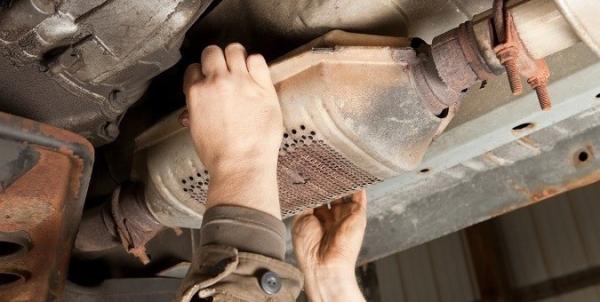
For removal, loosen the mounting bolts. If they are seized by rust, apply penetrating oil and let it act for at least an hour. Forcing them can strip the threads.
detailed inspection
Once removed, inspect the catalytic converter carefully:
- Exterior – check for cracks, dents, or corrosion
- Interior – use a flashlight to examine the honeycomb structure
- Noise test – gently shake the catalyst and listen for metallic rattling
The ceramic interior structure is fragile and can be damaged by shocks. If you hear metallic noises, pieces of the substrate have come loose.
cleaning methods for a clogged catalytic converter
A clogged converter can often be saved with proper cleaning, avoiding costly replacement.
mechanical cleaning
Detailed procedure:
- Remove visible deposits with a stiff-bristle brush
- Use compressed air to blow out particles from the internal channels
- Wipe the external surfaces with a damp cloth
- For persistent deposits, use a specialized degreaser
chemical cleaning
For tougher deposits, prepare a solution of:
- Hot water
- Degreasing detergent
- In extreme cases, diluted hydrochloric acid (extreme caution!)
Let the converter soak for 2-4 hours, then rinse thoroughly with high-pressure water. Very important: allow it to dry completely before reassembly.
premium fuel method
A preventive measure is to periodically use high-quality fuel. Superior additives help clean deposits during normal operation.
repairing noises from the catalytic converter
Noises from the catalytic converter are often caused by damage to the internal structure or the mounting components.
precise diagnosis
Use a mechanic’s stethoscope or a long screwdriver applied to the ear to locate the exact source of the noise. The most common causes are:
- Cracked ceramic substrate that moves
- Deformed heat shield
- Loose mounting hardware
temporary solutions
For loose pieces of the substrate:
- Drill discreetly into the catalytic body at the identified points
- Secure with small screws (self-tapping screws)
- This method delays the need for replacement
For a rattling heat shield:
- Use large hose clamps to fix the shield
- Tighten gradually until the noise disappears
- Periodically check the mounting
extreme solution – removing the substrate
When the substrate is completely damaged and the catalyst can no longer be repaired, there is a drastic temporary solution.

Warning: This procedure is illegal in many countries and should be used only temporarily until the catalytic converter is replaced.
Steps:
- Dismantle the pipe behind the catalytic converter
- Using a pry bar and a hammer, crack and remove the ceramic substrate
- Vacuum up all the loose pieces
- Start the engine at idle to remove the remaining debris
- Reinstall the pipe
Mandatory protective equipment:
- Mask for fine particles
- Safety glasses
- Thick gloves
replacement costs and alternatives
When repair is no longer feasible, replacement becomes inevitable. Prices vary significantly:
original catalytic converters
- Small cars: 800-1,500 lei
- Mid-size cars: 1,200-2,500 lei
- SUVs and premium cars: 2,000-4,000 lei
- Labor: 130-300 lei
cheaper alternatives
- Universal catalytic converters: 300-800 lei
- Used parts: 200-600 lei
- Remanufactured: 400-1,000 lei
Factors influencing price:
- The size and type of the catalytic converter
- Content of precious metals
- Make and model of the vehicle
- Age and availability of the part
when to choose replacement
- Completely damaged internal structure
- Cracked or perforated housing
- Repeated emissions test failures
- Repair cost exceeds 70% of the price of a new catalytic converter
preventive maintenance for maximum lifespan
To avoid costly problems, adopt these maintenance practices:
Preventive driving:
- Avoid very short trips in cold weather
- Let the engine warm up before sudden accelerations
- Periodically use premium fuel
- Regularly maintain the ignition system
Periodic checks:
- Monitor the check engine light
- Check the level and quality of engine oil
- Inspect the cooling system for leaks
- Test the oxygen sensor annually
A well-maintained catalytic converter can operate trouble-free for 150,000-200,000 km, representing a valuable investment in your vehicle’s performance and environmental compliance.