- Catalytic converter theft is rising in Romania due to precious metals and accessibility
- Thieves target easily accessible vehicles; operation lasts 2-5 minutes
- Replacement costs range 1,500-6,000 lei; driving without one is illegal
- Signs of theft include loud noise, engine problems, and visible exhaust damage
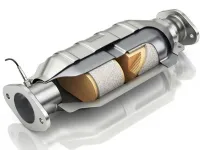
Catalytic converter theft has become an increasingly common problem in Romania, and car owners must be aware of this growing threat. Catalytic converters contain precious metals that make them highly attractive to thieves, and their easy accessibility under the vehicle turns theft into a quick operation that takes only a few minutes.
Replacement costs can reach up to 6,000 lei, and without a catalytic converter the car will not run properly and it is illegal to drive. Therefore, prevention is essential for any vehicle owner.
Why are catalytic converters targeted by thieves?
The catalytic converter transforms dangerous pollutants into harmless gases and has been a mandatory part of the exhaust system since the 1970s. Located near the exhaust gallery on most vehicles, it can be easily located from underneath the car.
Reasons why catalytic converters are thieves’ targets:
- They contain precious metals such as platinum, rhodium, and palladium
- They are easily accessible under the vehicle
- They can be sold as scrap for about 700-1,000 lei each
- Rising metal prices have boosted demand
- They do not have visible identification numbers
The replacement cost of a catalytic converter ranges from 1,500 to 6,000 lei, depending on the make and model. This substantial price difference compared to the resale value makes theft highly profitable for criminals.
How is catalytic converter theft carried out?
Thieves tend to target vehicles with easily accessible catalytic converters, such as vans or SUVs, due to their higher ground clearance. Cars parked in unguarded areas for extended periods are ideal targets.
The theft process is surprisingly quick:
- Thieves use an electric saw or a handsaw
- They crawl under the vehicle (sometimes using a protection plate)
- In extreme cases, they use a jack to lift the car
- They cut the pipes on both sides of the converter
- The entire operation lasts between 2-5 minutes
The speed of execution makes the theft difficult to detect in real time, even in areas with moderate traffic.

How to identify catalytic converter theft?
The signs of a missing catalytic converter are immediately evident as soon as you start the engine. A compromised exhaust system will produce unmistakable indicators that cannot be ignored.
The 3 main symptoms:
1. Loud and unusual noise
- A strong rattling sound at startup
- The noise grows louder with accelerator input
- The car sounds like a tractor or a motorcycle without a exhaust pipe
2. Engine performance issues
- The engine runs in bursts or unevenly
- Difficulties shifting gears
- A feeling that the engine is choking during acceleration
- Reduced power and poor performance
3. Visible signs under the vehicle
- A large hole in the exhaust system
- Pipes cut or broken near the exhaust gallery
- Clean, straight cuts at both ends
- Absence of a cylindrical component in the exhaust system
Effective strategies to prevent theft
Preventing catalytic converter theft mainly relies on reducing opportunities and increasing the risk for thieves. Parking location and additional security measures play a crucial role.
Parking location choices
1. Parking in well-lit areas
- Look for areas with strong public lighting
- Avoid dark corners of parking lots
- Bright light deters criminal activity
2. Proximity to busy areas
- Park close to building entrances
- Choose spots visible from main public roads
- The more eyes on the car, the safer
3. Use of a garage
- An enclosed garage offers the best protection
- Even an open carport reduces risk
- Restricted access complicates thieves’ plans
Security and deterrent systems
4. Video surveillance
- Install cameras in the parking area
- Visible cameras have a deterrent effect
- Recordings help identify criminals
5. Specialized anti-theft systems
- Metal protection plates – mounted under the car to protect the catalytic converter
- Welding to the vehicle frame – makes theft extremely difficult
- Engraving the VIN – identifying the catalytic converter makes selling it harder
- Protective cages – metal enclosures that surround the catalytic converter
6. Advanced alarm systems
- Vibration-sensitive alarms – trigger at the first contact with the saw
- Under-vehicle motion sensors
- Systems that send notifications to your phone
- Alarms with a loud siren to attract attention
Additional protective measures
For high-risk vehicles
Vans, SUVs, and hybrid cars are the most targeted. Owners of these vehicles should take extra measures:
- Installation of professional protection systems
- Strategic parking – with the rear of the car near a wall
- Additional insurance to cover replacement costs
- Regular checks of the exhaust system
What to do if you become a theft victim
- Do not start the car – you can cause further engine damage
- Call 112 immediately to report the theft
- Document the damage with photos for insurance
- Provide authorities with any details that could help catch the thieves
- Contact your insurance company to file the claim
Conclusion
Catalytic converter theft can be prevented through simple yet effective strategies. A combination of smart parking, security systems, and preventive measures can significantly reduce the risk of becoming a victim of this theft.
Investing in prevention is always cheaper than replacing a stolen catalytic converter. By applying these measures, you can protect your vehicle and avoid unwanted costs and the inconvenience of this unpleasant experience.
Remember: the most effective way to prevent theft is to make access to the catalytic converter as inconvenient and difficult for thieves as possible. Vigilance and proactive preventive measures are the keys to protecting your auto investment.
Photo credits: berkeleyside.com, qz.com, westsiderag.com