- Diesel engines run higher temps and soot, fuel dilution, stressing oil.
- DPF and SCR systems influence oil quality and regeneration cycles.
- Diesel oil changes occur every 12,000–15,000 km or yearly, longer than gasoline.
- Synthetic 5W-30/5W-40 with ACEA C1-C4 suits diesels.
Diesel-powered vehicles require more than simply fueling with diesel. Regular oil changes are one of the most important service operations to ensure optimal performance and long engine life. Although the procedure is similar to that for gasoline engines, diesel engines have specific characteristics every owner should understand.
Diesel engines operate at higher pressures and temperatures than petrol engines, which places extra demand on the engine oil. Therefore, choosing the right oil and respecting the replacement intervals are crucial for maintaining long-term engine performance.
Diesel engine characteristics and their impact on oil
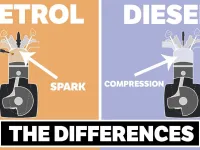
Diesel engines generate more soot and carbon particles compared with petrol engines due to the compression-ignition combustion process. These particles accumulate in the oil, reducing its lubrication and protective properties. In addition, modern diesel engines are equipped with complex exhaust aftertreatment systems, such as diesel particulate filters (DPF) and selective catalytic reduction (SCR) systems, which can influence regeneration cycles and, consequently, oil quality.
Oil in diesel engines must also cope with fuel dilution, a phenomenon that occurs more often in these engines, especially during particle filter regeneration cycles or frequent cold starts.
Diesel engine oil change intervals
Spread of general recommendations for gasoline engines (approximately 10,000 km), diesel engines permit longer intervals between oil changes, typically between 12,000 and 15,000 km or once a year. This difference is due to diesel engines being built to be more robust and to operate at more stable parameters.
However, the exact interval depends on several factors:
- Type of oil used – synthetic oil allows longer intervals
- Operating conditions – city vs. highway, frequent towing
- Age and condition of the engine
- Manufacturer’s specific recommendations
For optimal scheduling, always consult your vehicle’s service manual, as manufacturers specify exact parameters depending on the engine series and year of manufacture.

Choosing the right oil for the diesel engine
Important technical specifications
- Viscosity – typically 5W-30 or 5W-40 for modern engines
- ACEA standards – look for classifications C1, C2, C3 or C4 for diesel engines with aftertreatment
- Manufacturer approvals – VW 507.00, BMW LL-04, Mercedes 229.51, etc.
Advantages of synthetic oil
Synthetic oil offers significant benefits for diesel engines:
- Superior thermal stability at high temperatures
- Better resistance to oxidation and thinning
- Improved flow properties at low temperatures
- Longer change intervals
- Superior wear protection
Costs associated with diesel oil changes
Costs for oil changes in a diesel car vary depending on several factors:
Factors influencing cost
- Engine capacity – diesel engines typically have a larger oil capacity (5-8 liters)
- Oil type – synthetic vs. semi-synthetic vs. mineral
- Brand and quality of the oil
- Service location – authorized dealer vs. independent service
- Oil filter – OEM vs. aftermarket
Estimated costs
In Romania, the total cost for changing the oil in a diesel engine ranges between:
- 300-500 RON for semi-synthetic oil at an independent service
- 500-800 RON for premium synthetic oil
- 600-1000 RON at an authorized dealer with original parts
Step-by-step guide to changing the oil at home
If you choose to perform this operation yourself, you’ll need:

Tools and materials needed
- Diesel engine oil (check exact quantity in the manual)
- Oil filter, new compatible
- New drain plug gasket
- Socket wrench for the drain plug
- Oil filter wrench
- Container to collect used oil (minimum 6-8 liters)
- Funnel
- Protective gloves
Change procedure
- Warm up the engine – run for 5-10 minutes to thin the oil
- Safely raise the vehicle on ramps or a jack
- Locate the drain plug and the oil filter
- Position the container under the drain plug
- Loosen the drain plug and let the oil drain completely (15-20 minutes)
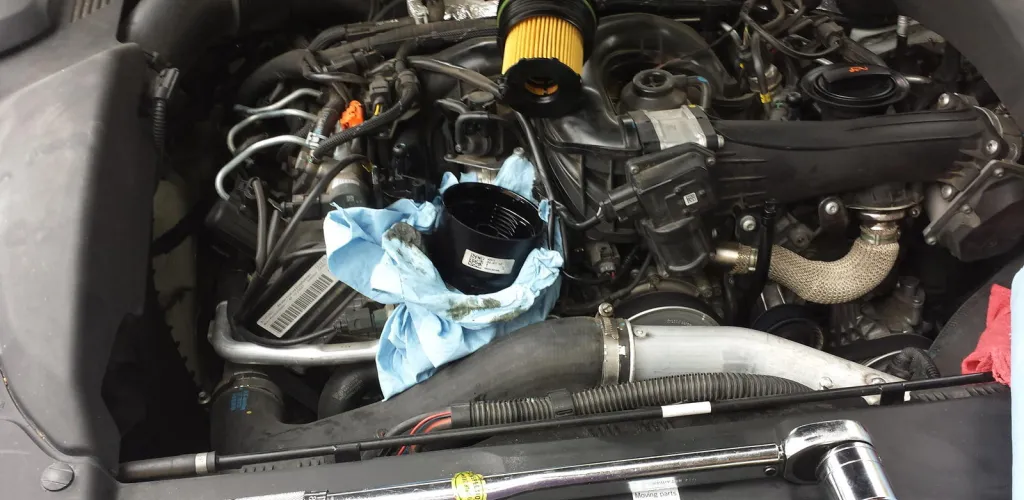
- Remove the old filter – beware of oil inside the filter
- Clean the contact surface of the filter mounting
- Install the new filter – lubricate the gasket with fresh oil
- Replace the drain plug with a new gasket
- Add the new oil through the fill opening
- Check the level with the dipstick after 5 minutes of operation

Special considerations for older diesel engines
Diesel engines with high mileage (over 200,000 km) require special attention:
- Higher viscosity oil (10W-40 instead of 5W-30) to compensate for wear
- Sealant additives can be beneficial for aging gaskets
- Shorter change intervals – consider 10,000 km instead of 15,000 km
- Close monitoring of oil consumption
Warning signs and diagnosis
Be alert to the following signs indicating the need for an oil change:
- Oil color – very dark or very thick
- Strong fuel smell in the oil
- Metal particles visible on the dipstick
- Unusual engine noises
- Oil pressure indicator light
Environmental impact and recycling
Used oil is one of the most hazardous pollutants for the environment. One liter of used oil can contaminate up to a million liters of water. Always hand over used oil to:
- Authorized auto service centers
- Specialized collection points
- Auto dealers
- Hazardous waste recycling centers
Conclusion
Changing the oil in diesel cars, while similar to the procedure for gasoline engines, has important specifics. Longer intervals between changes, special oil type requirements, and the technical peculiarities of diesel engines require careful attention and targeted knowledge. Following the manufacturer’s recommendations and using the correct oil are key to maintaining performance and longevity of the diesel engine.
Photo sources: wildejaguarofsarasota.com, rennlist.com