- Wait 2–3 minutes after starting; extend to 5 in freezing weather.
- Warm engine to around 90°C; drive gently, keep revs under 2000 until warm.
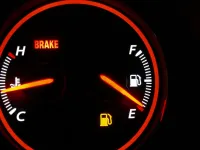
- Refuel before 25% tank level to avoid cold starts and pump damage.
- Low fuel increases risk of ice, pump overheating, and contaminant intake.
Diesel engines require a different approach than petrol engines to reach peak performance and a long service life. In Romania’s traffic, diesel cars are becoming more common, and following a few essential driving rules can significantly extend the engine’s life and improve the vehicle’s overall performance. This guide presents the correct techniques for using a diesel car.
This article covers practical techniques for operating a diesel car safely and efficiently, from starting procedures to fueling and maintenance.
Correct starting procedure for a diesel engine
Unlike a petrol engine, where you can start moving immediately, diesel engines require a special starting procedure. This is even more important in cold weather.
Why initial warming is necessary:
- Proper lubrication of metal components
- Oil reaching its optimum viscosity
- Thermal clearances between parts stabilizing
- Risk of premature wear is significantly reduced
The recommendation is to wait 2–3 minutes after starting the engine before setting off. In winter, this period can be extended to 5 minutes, especially if outdoor temperatures are below freezing. Skipping this step can lead to premature wear of bearings, rings and pistons, as well as higher fuel consumption.
Heating the engine to operating temperature
The optimal operating temperature for most modern diesel engines is around 90 degrees Celsius. This is essential for maximum efficiency and component protection.
How to correctly warm up:
If you wait for the engine to reach the optimal temperature while idling, the process could take 15–20 minutes, which is inefficient and counterproductive. The correct procedure is:
- Wait 2–3 minutes after starting for initial lubrication
- Start moving with low speed
- Keep revs below 2000 rpm until fully warmed
- Avoid sudden accelerations in the first 5–10 km
- Monitor the temperature on the dashboard
During warm-up while driving, fuel delivery improves gradually, emissions decrease, and fuel consumption becomes optimal. This progressive warm-up protects the turbo, injectors and rings from premature wear.
Importance of maintaining an adequate fuel level
Running a diesel engine with the tank near empty can cause serious and costly problems. Manufacturers recommend refueling when the level drops below 25% of the tank capacity.
Risks associated with insufficient fuel:

- Cold-start problems: Diesel fuel has a much higher freezing point than gasoline (about -20°C versus -40°C). In cold conditions, condensate in the tank forms ice crystals that can block the fuel system.
- Damage to the fuel pump: The high-pressure pump in a diesel engine is cooled and lubricated by fuel. When the level is very low, the pump can suck in air, leading to overheating and accelerated wear.
- Contamination of the system: Sediments and water from condensation accumulate at the bottom of the tank. When fuel is at a minimum level, these contaminants are drawn directly into the injection system, potentially affecting injectors and filters.
- Repair costs: Replacing injectors or the high-pressure pump can cost between 3,000 and 8,000 RON, depending on the model.
The necessity of long-distance driving
Diesel engines are designed to run optimally on longer distances with steady operation. Predominant urban driving can lead to significant issues.
Why long trips matter:
- DPF regeneration: Active regeneration of the particulate filter (DPF) requires high exhaust gas temperatures (above 550°C), which are reached only during sustained driving. In urban traffic, temperatures stay below ~400°C, and particulates accumulate.
- EGR system cleaning: The exhaust gas recirculation valve can get coated with soot in urban driving. At higher speeds, the gas flow helps clean it.
- Injector maintenance: Higher RPMs on longer distances help remove carbon deposits from injector tips, maintaining optimal fuel spray.
- Fuel consumption reduction: A clean engine and properly functioning components consume 15–20% less fuel than a system with clogged parts.
Practical recommendations:
- Take at least 2–3 long trips (over 100 km) per month
- Periodically cruise on highways at legal speeds
- Avoid frequent stops on long trips to allow complete DPF regeneration
Correct procedure for stopping after a long trip
Diesel engines consume more fuel during starting than at idle for short periods. This factor influences whether you should stop the engine or keep it running.
Fuel consumption analysis: Starting a modern diesel engine consumes the equivalent of about 4–5 minutes of idle operation. This means:
- For stops under 3–4 minutes, it is more economical to keep the engine running
- For stops longer than 5 minutes, it is more economical to switch the engine off
- Component wear (starter motor, battery, injection system) should be considered
Important exceptions:
- In areas where idle is prohibited (residential zones, schools)
- In summer when air conditioning is not needed
- In enclosed or semi-enclosed spaces (garages, underground parking)
Driving in the optimal torque zone
To achieve the best fuel economy and performance, it is essential to drive the diesel engine in its ideal operating range.
Understanding the maximum torque zone: Maximum torque represents the greatest rotational force the engine can develop at a given RPM. In most modern diesel engines, this occurs between 1800 and 2200 rpm.
Benefits of staying in the optimal range:
- Lower fuel consumption: The difference can be up to 1–1.5 l/100 km compared with driving at too low or too high revs
- Lower emissions: Combustion is more complete and efficient
- Less wear: Components operate within optimal parameters
- Good engine response: Smooth accelerations without downshifting
How to apply this principle:
- Check the technical manual for your engine’s exact values
- Use gears to keep revs in the optimal range
- When climbing hills, don’t hesitate to downshift to maintain the correct revs
- Avoid lugging (below 1500 rpm in motion) and over-revving (above 3500 rpm)
Fuel quality and the importance of the fuel filter
Fuel quality and the efficiency of the fuel filter directly affect the performance and durability of a diesel engine.
Choosing the right fuel:
-
Premium vs. standard diesel: Premium diesel contains additives that:
- Clean injectors and the combustion chamber
- Improve HP pump lubrication
- Reduce emissions and carbon deposits
- Can improve consumption by up to 5%
-
Cetane number: The cetane value influences the quality of combustion. A higher cetane number (above 51) ensures a more complete combustion and easier starting.
Crucial role of the fuel filter: Modern common-rail systems operate at pressures of 2000–2500 bar. At these pressures, any impurity can cause severe damage.
Recommended maintenance schedule:
- Fuel filter check every 10,000 km
- Filter replacement every 20,000–30,000 km or annually
- Water drainage from the filter every 5,000 km (if the filter has a water separator)
Cost vs. benefit: A quality filter costs 80–150 RON, while damage from contaminated fuel injectors can reach 5,000–8,000 RON.
Correct stopping procedure after a long drive
Shutting down the engine immediately after sustained driving can cause significant damage, especially to the turbo.
What happens when you stop the engine abruptly after a long drive:
- Turbo problem: After high RPM operation, the turbine reaches 700–800°C. The turbine rotor spins at over 100,000 rpm. When you stop the engine abruptly:
- Oil circulation stops instantly
- The high temperature continues to affect the turbine bearings
- Oil remaining in the turbine carbonizes
- Bearings degrade progressively
- Impact on the engine: Overheated metallic components lose cooling through oil and coolant, causing thermal distortions.
Correct stopping procedure:
- In the last 2–3 km before your destination, reduce revs below 2000 rpm
- After parking, let the engine idle for 1–2 minutes
- On very long trips (over 300 km on highways), extend idle time to 3–4 minutes
- Monitor the temperature on the dashboard – it should drop visibly
- Then shut the engine normally
Note: Many modern cars have auxiliary cooling systems that continue to run a few minutes after engine shut-off, but following this procedure remains important.
Avoiding lugging (sub-idling)
Driving with revs too low for the road speed is particularly damaging in diesel engines.
Why lugging is more dangerous on diesel:
- Heavier components: Diesel engines are 30–40% heavier than petrol engines due to the higher compression ratio (16–20:1 vs 10–12:1).
- Clutch stress: When driving at too low revs, the clutch slips more to compensate for lack of power, causing accelerated wear and increased clutch temperature; lifespans can drop by up to 50%
- Risk to engine mounts: Excessive vibrations from very low revs can crack rubber mounts, distort the engine frame, and require costly replacements (500–1000 RON per mount).
Signs of lugging:
- Excessive steering and pedal vibrations
- Unusual engine noise (knocking)
- Lack of power during acceleration
- Higher fuel consumption
Minimum RPMs by gear (recommended):
- Gear I: minimum 1200 rpm
- Gear II: minimum 1400 rpm
- Gear III and higher: minimum 1500–1600 rpm
Conclusions and final recommendations
Correctly operating a diesel car requires attention to detail and adherence to rules specific to this type of engine. The main points to remember are:
- Allow the engine to warm up before driving off
- Keep fuel level above 25% of the tank capacity
- Periodically take long trips to facilitate exhaust system regeneration
- Use quality fuel and replace filters regularly
- Let the engine cool before stopping after long trips
- Drive in the optimal torque zone for best performance
- Absolutely avoid lugging
Following these rules will ensure a long engine life, lower maintenance costs and consistent performance of your diesel vehicle. Investing in quality fuel and preventive maintenance is always cheaper than major repairs.
sursa foto: https://www.carthrottle.com/