The cars we drive are becoming increasingly advanced in terms of the technology they incorporate. Thanks to the features that technology now offers, cars are designed to be not only high-performing on the road but also safe, equipped with complex systems responsible for accident prevention and more efficient control.
ABS is one of the systems that enhance car safety. Once the benefits of the ABS system were fully recognized, car manufacturers added a new system, the ESP, which shares sensors with the ABS and aims to maintain the car’s stability.
What Every Driver Needs to Know About ESP
ESP (Electronic Stability Program) is the system responsible for the car’s stability and control in cases of skidding or slipping—situations that frequently occur when speed is not adapted to weather conditions like rain or snow.
The major benefit of the ESP system is accident prevention by ensuring good maneuverability of the car in difficult situations, allowing you to avoid accidents. However, in traffic, you cannot rely solely on the ESP system’s preventive capabilities; it’s necessary to constantly adapt your speed and driving style.
How Does the ESP System Specifically Help You in the Toyota Corolla?
ESP has not been a novelty for some time now. All new cars come equipped with ESP precisely because of the recognized benefits of this system, which increases safety by making the car easier to maneuver in cases of instability. Below is a useful list of advantages that the ESP brings to the Toyota Corolla:
Controlled Emergency Maneuvers. When an unexpected danger appears in traffic and you steer abruptly to avoid it, the ESP system helps you better control the car to prevent skidding. If you still find yourself in a situation where the car becomes unstable due to slipping, the ESP activates braking on the wheels over which you’ve lost control.
Safe Maneuvers in Unfavorable Weather Conditions. The ESP system proves its usefulness especially when driving in rain or snow. You know that a wet or snow-covered or icy road surface poses a real danger. The ESP aids in excellent maneuverability under certain conditions: adapting your speed according to the road conditions and having a car equipped with tires in good condition, appropriate for the season.

Easier Maneuvers to Avoid Obstacles. For example, if you need to avoid an obstacle at the last moment, the ESP helps you return to your path more easily by better stabilizing the car. Of course, adhering to the above conditions related to speed and car equipment is necessary for the ESP to function optimally.
Why Does the ESP Warning Light Come On in the Dashboard of the Toyota Corolla?
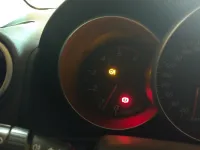
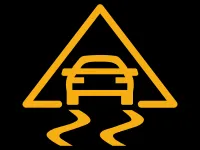
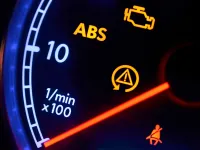
The ESP system, like all other integrated car systems, has a dashboard warning light that alerts you when something isn’t functioning properly. The warning light is yellow and usually illuminates when the ESP activates—that is, when the car begins to skid or shows signs of instability on the road. The ESP warning light comes on to indicate:
Faulty Sensors. If there is damage to the speed sensors (ABS) or angle sensors, the car’s control unit will no longer receive information, will assume that the ESP system is nonfunctional, and will signal this malfunction by illuminating the ESP warning light on the dashboard.
Software Errors. Software errors can occur if the software has been incorrectly reprogrammed, for example. The less pleasant news is that errors frequently appear in new cars and can affect the ESP system.

Steering Column Malfunctions. The steering column is part of the power steering system and aims to provide easy control of the steering wheel. While the steering column isn’t directly connected to the ESP system, when it hinders smooth steering during turns, the warning light may illuminate on the dashboard because the maneuver is sensed as a steering malfunction.
Uneven Road Surfaces. The ESP warning light can also come on when there are no malfunctions but due to poor road quality, the ESP system is prevented from functioning optimally. If this happens, the recommended solution is to reduce speed and adapt your driving to the road conditions to avoid any danger.
Deactivating the ESP System on the Toyota Corolla
In general, the ESP system offers benefits to drivers concerning road safety, but there are exceptions. One such exception is when you need the wheels to have more speed because you’re stuck on a muddy or snowy road. Another situation is if you simply enjoy driving more sportily and do so consciously and safely. In such cases, the ESP can be manually deactivated by pressing the ESP button next to the gear shift.
Deactivating the ESP will be indicated on the dashboard by the corresponding warning light.
The ESP Warning Light on the Toyota Corolla Dashboard Can Indicate the Following Situations:
- When the ESP is active and everything functions normally, the warning light does not appear on the dashboard.
- When the ESP is deactivated, the warning light illuminates on the dashboard.
- When the ESP engages, the warning light flashes intermittently.
Erasing the ESP Warning Light on the Dashboard of the Toyota Corolla
Generally, it’s recommended that the ESP system be functional at all times. When the ESP warning light illuminates on the dashboard indicating a malfunction, it’s important to visit a service center to identify the real cause. After resolving the issue, the ESP will function again without errors, and the dashboard warning light will disappear.
Erasing the ESP warning light without a complete diagnosis and the necessary repairs can affect the car’s functionality in multiple components: the ESP system, the ABS system, and the car’s auto-hold function. Even if it’s possible that the illuminated warning light indicates a minor malfunction, it’s better to be safe than sorry. So, put safety first and schedule a service visit before attempting to erase the ESP warning light on your own.