- Winter driving demands a changed approach and defensive driving, with forecasts and alternative routes.
- On ice, ease off gas, use engine braking, gentle intermittent brakes, triple following distance.
- Black ice hides on bridges, shade, depressions; temperatures below 4°C raise risk.
- If encountered, lift off throttle, avoid hard braking, steer toward the skid.
Winter driving presents one of the greatest challenges for any driver, regardless of experience behind the wheel. Adverse weather conditions, icy roads, and reduced visibility turn every trip into a test of skill and caution. During this period, even the most experienced drivers can lose control of their vehicle in unexpected situations.
To navigate safely through the cold season, it is essential to adapt your driving style and prepare both technically and mentally for the winter-specific challenges.
Foundations of safe driving on ice and snow
In the cold season you must completely change your approach to driving. Defensive driving becomes vital, and summer reflexes can become dangerous on slick surfaces.
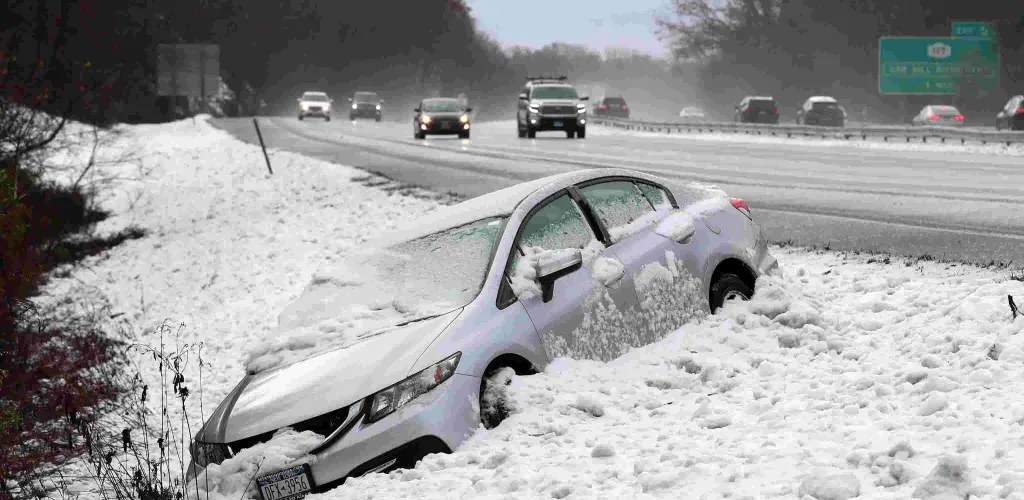
Drivers face a range of dangerous situations when driving in snow and ice. Even the most experienced drivers occasionally lose control when braking, accelerating, or encountering patches where black ice is present. They face the whiteout condition, which eliminates the ability to see vehicles ahead and reduces depth perception.
Before hitting the road, check detailed weather forecasts and avoid unnecessary trips during snowstorms. Use weather apps on your phone to monitor warning zones and plan alternative routes.
Correct braking technique on slippery surfaces
The gravest mistake a driver can make on ice is to slam the brake pedal to the floor. This instinctive reaction can turn a controllable situation into a serious accident.
Principles of braking on ice:
- Ease off the accelerator immediately when you feel the vehicle start to slip
- Use engine braking if you have a manual transmission - engine braking is the safest method of slowing down
- Gently and intermittently press the brake pedal to avoid wheel lockup
- Increase following distance to three times the normal distance
In general, when it’s icy outside, drive slower than you normally would and ensure there is a large enough distance between your vehicle and others. Imagine needing a triple stopping distance when the road is icy.
Recognizing and avoiding black ice
Black ice is one of the most insidious winter hazards. It is colorless and extremely hard to detect with the naked eye, hiding under bridges, in shaded passages or in shaded areas.
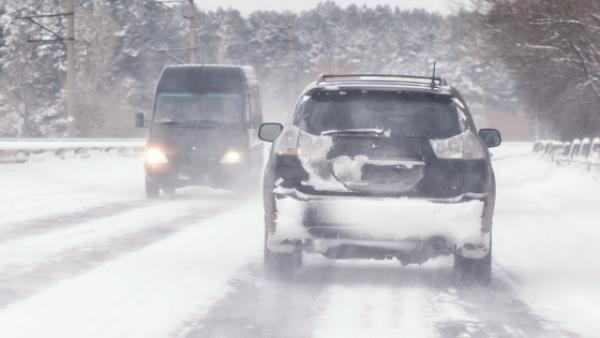
Zones at high risk for black ice:
- Under bridges and overpasses - where temperatures are lower
- Tree-shaded areas - which do not benefit from solar heat
- Road depressions - where water collects and freezes
- Potholes filled with icy water
When the temperature is below 4 degrees Celsius, these zones become real traps for vehicles. Black ice forms from melting snow that runs and freezes, creating an extremely slippery surface.
Reaction technique to black ice:
- Immediately lift off the accelerator
- Do not slam on the brakes - you risk skidding
- Turn the steering wheel in the desired direction - not opposite the skid
- Gently accelerate only after you have regained full control
Disabling automated systems
Cruise control and other driver-assistance systems are excellent in normal conditions, but can become deadly on snowy or icy roads. These systems cannot anticipate the variable conditions of slick surfaces.
To have full control over the vehicle, disable:
- Cruise control
- Lane-keeping systems
- Acceleration assistance
Manual control lets you react instantly to unexpected changes in grip.
Limitations of modern technology
Recent vehicle models come with a seemingly endless range of technological features: pedestrian detection, improved nighttime visibility, lane-tracking, and many others. All of these are designed to reduce human error.
These technological advances can give drivers a false sense of security. When driving in adverse weather, do not rely solely on technology to get you out of critical situations. Instead, develop and train defensive driving techniques to ensure your safety.
Skid control - advanced techniques
Skid on ice is a situation that can escalate quickly if not managed correctly. The instinctive reaction of most drivers is to counteract with abrupt steering movements, which worsens the situation.
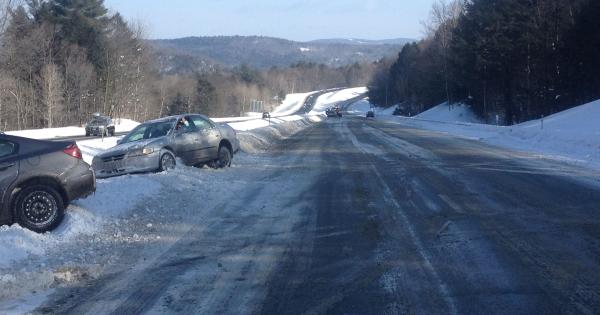
Steps for skid control:
- Stay calm - panic leads to wrong reactions
- Lift off the accelerator immediately
- Turn the wheel in the desired direction - not in the opposite direction
- Avoid braking until you regain full control
- Accelerate gradually only after the vehicle is stabilized
The key to success lies in slow, controlled movements, not in abrupt reactions that can amplify the skid.
Winter-specific features of manual transmission
Driving a vehicle with a manual transmission in winter can be both challenging and a significant advantage for experienced drivers.
Advantages of manual transmission:
- Superior vehicle control - you can modulate power to the wheels
- Efficient engine braking - reducing speed without using the brakes
- Starting in second gear on slick surfaces for more torque
Challenges of manual transmission:
- Hills become problematic - risk of slipping when starting
- Requires additional experience for ice maneuvers
- Complex coordination between clutch, throttle, and steering
Winter-specific techniques for manual transmission on ice:
- Avoid hills whenever possible
- Stop on non-compacted snow for extra grip
- Start in second gear for more torque and slower RPM
- Use engine braking instead of conventional brakes for slowing down
Preparing for emergency situations
If you become stranded on the highway during a blizzard, survival depends on prior preparation and correct decisions made during the standstill.
Essential survival equipment:
- Food supplies: energy bars, nuts, chocolate, canned goods
- Drinking water - at least 2 liters per person
- Medications and first aid kit
- Heating gear: thermal blankets, spare clothing, gloves
- Tools: shovel, flashlight, batteries, car charger for phone
- Signaling gear: reflective triangles, flashing lights
Vital survival rules:
- Check the exhaust pipe - it must not be blocked by snow (risk of carbon monoxide poisoning)
- Periodically clear the vehicle of snow for visibility
- Conserve fuel - turn off the engine periodically
- Stay in contact with emergency services
- Stay in the vehicle if you do not see a safe shelter
Practical training - the key to mastery
The most effective way to sharpen winter driving skills is controlled training in a safe environment. Find a large, empty parking lot, covered with snow or ice, and practice different scenarios.
Training exercises:
- Progressive braking - test stopping distances on different surfaces
- Skid simulation - learn to recover control
- Starting on a slope - practice manual transmission techniques
- Avoidance maneuvers - avoiding obstacles on slippery surfaces
- Ice parking - develop a feel for reduced grip
A short time spent in controlled training can save your life in real emergency situations.
Vehicle preparation for the cold season
Before the first snowfall, the vehicle must be properly prepared for winter challenges:
Pre-winter checklist:
- Winter tires - legally required and vital for safety
- Battery - testing and potential replacement
- Fluids - antifreeze, windshield washer fluid that resists freezing
- Heating system - verify optimal operation
- Lights - all bulbs should be functional
- Wipers - replace worn blades
Preventive maintenance of the vehicle can prevent breakdowns at the most inopportune moments and ensure optimal operation in extreme cold conditions.