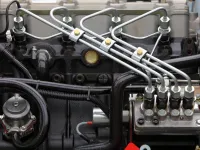
- Rapid engine start confirms battery, starter, ignition, fuel, and sensors are healthy.
- Idle stability matters; excessive vibrations, fluctuating idle, stalls, and abnormal noises signal issues.
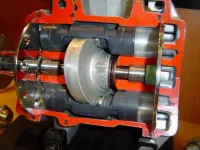
- Manual transmission requires smooth clutch and precise gears; automatics should shift smoothly and quickly.
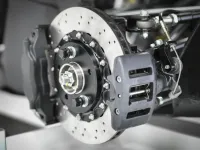
- Braking system should be efficient and quiet; brakes must function reliably for safety.
Vehicle maneuverability refers to the car’s ability to respond correctly and safely in all driving conditions. For anyone planning to buy a used car, understanding this concept is essential to make an informed choice.
The term maneuverability stems from the combination of maneuverability and ability, representing the vehicle’s capacity to respond to the driver’s commands. In the auto industry, mechanics and experts use this term to describe the overall technical condition of a vehicle and its safety margin in operation.
Criteria for evaluating maneuverability
Auto professionals and qualified mechanics use a standardized methodology composed of five essential checks to determine a vehicle’s maneuverability. These tests are crucial whether you are evaluating a car, an SUV, or a used truck.
1. Instant engine start
The first and most important criterion is the vehicle’s ability to start immediately after turning the key or pressing the start button. A vehicle in good condition should start without hesitation, delay, or multiple attempts.
Starting difficulties can indicate issues with:
- Battery and charging system
- Starting motor (starter)
- Ignition system (spark plugs, coils)
- Fuel delivery system
- Engine sensors
A professional mechanic will verify that all of these starting system components operate within normal parameters to guarantee reliable starting.
2. Stable engine operation at idle
After start-up, the engine should run evenly and consistently. Idle problems are important indicators of the vehicle’s general technical condition.
Signs of concern:
- Excessive vibrations: may indicate issues with engine mounts or internal imbalance
- Idle speed fluctuations: idle speed oscillates due to injector or ignition system problems
- Unexpected stalls: may be caused by issues with the camshaft position sensor or engine management faults
- Abnormal noises: may indicate internal wear of engine components
These problems, while sometimes solvable through routine maintenance, can hide major faults that significantly affect the vehicle’s maneuverability.
3. Transmission and smooth gear changes
Regardless of transmission type—manual or automatic— the ability to change gears smoothly is essential for safe and comfortable driving.
For manual transmissions:
- The clutch should engage and disengage fully
- Gear changes should be precise and without forcing
- There should be no grinding noises or hard-to-engage gears
For automatic transmissions:
- Shifts between gears should be smooth and quick
- There should be no delays or jerks during gear changes
- Transmission fluid should be clean and at the proper level
Problems such as worn internal seals or damaged hydraulic components can require major, costly repairs, significantly affecting the vehicle’s value and maneuverability.
4. Efficient and quiet braking system
Brakes are the most critical safety component of any vehicle. A functional braking system must meet the following criteria:
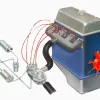
Characteristics of a healthy braking system:
- Progressive and controlled stopping: the vehicle responds immediately to pedal input
- Quiet operation: no squeaks, rubbing, or metallic noises
- Firm pedal feel: no spongy feel or excessive travel
- Straight-line stopping: no pulling to one side
Common problems affecting maneuverability:
- Worn brake pads
- Warped brake discs
- Contaminated or low brake fluid
- ABS system faults
Although most braking problems can be repaired relatively easily, they must be addressed before the vehicle is considered maneuverable and safe for road use.
5. Stability at high speeds
A vehicle with optimal maneuverability should remain stable and controllable at all speeds. Vibration or unpredictable behavior at speeds above 80 km/h are serious safety concerns.
Common causes of instability:
Tire and wheel issues:
- Unbalanced or uneven tire wear
- Bent or damaged rims
- Incorrect tire pressure
Suspension problems:
- Worn or faulty shock absorbers
- Worn bushings
- Loose or broken springs
Steering system issues:
- Worn wheel bearings
- Steering ball joints with excessive play
- Defective steering rack
Braking system issues:
- Warped discs causing brake vibrations
- Stuck or faulty calipers
The importance of professional evaluation
Be smart when planning to buy a used car—have the vehicle tested by a professional mechanic.

Although many of us can notice obvious problems, only a specialist can:
- Identify the exact source of problems
- Assess the severity of defects
- Estimate repair costs
- Detect hidden issues that may appear later
Benefits of a professional inspection:
- Increased safety: identifying issues that could jeopardize safety
- Financial savings: avoiding purchases with costly defects
- Informed negotiation: knowing the exact technical condition for fair price negotiation
- Budget planning: estimating future maintenance and repair costs
Conclusion
Understanding the concept of maneuverability and the five evaluation criteria will help you make a smart used-car purchase. Whether buying from a dealer or a private seller, evaluating maneuverability is essential for your long-term safety and satisfaction.
For your peace of mind and to avoid costly problems, investing in a comprehensive professional inspection is the wisest decision you can make before finalizing any auto transaction.
Photo sources: roadandtrack.com, grimmermotors.co.nz, shutterstock.com, arivaca-connection.com