- EV batteries typically last 320,000–350,000 km (about 10 years).
- 46% of owners expect only 100,000 km; lifespan is longer.
- Battery replacement costs around 30,000–40,000 RON plus labor (Bolt EV).
- Warranties standard 8 years/150,000 km; some brands offer better terms.
Electric cars have become increasingly popular, and one of the questions most potential buyers have is the battery’s lifespan. Recent studies indicate that an EV battery can typically cover about 320,000-350,000 km before needing replacement, equivalent to roughly 10 years of use at an average of 30,000 km per year. Yet 46% of current electric-car owners believe the battery will last only 100,000 km—a misconception worth clarifying.
The reduced complexity of electric vehicles is one of their main advantages. Unlike internal combustion engines that have hundreds of moving parts, electric cars have far fewer components prone to failure. However, the battery remains the central and most expensive element—replacing a battery can cost between 30,000-40,000 RON plus labor for models such as the Chevrolet Bolt EV.
How Electric Vehicle Batteries Work
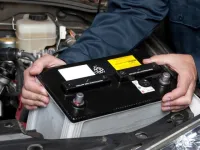
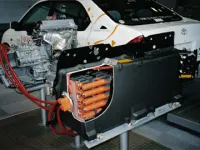
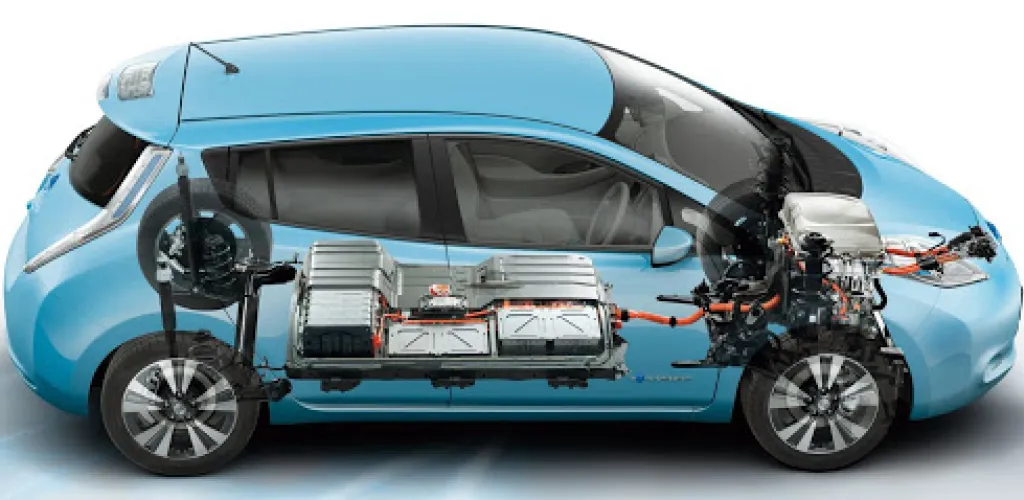
Batteries with lithium-ion used in electric vehicles are similar to those in mobile phones or laptops, but considerably larger and more complex. They differ fundamentally from lead-acid batteries used in conventional vehicles, offering higher energy density than nickel-metal hydride-based technologies.
Capacities of an EV battery are measured in kilowatt-hours (kWh), similar to the size of a fuel tank in traditional cars. A larger capacity means a longer range between charges.
Intelligent Battery Management
The Battery Management System (BMS) plays a crucial role in its longevity. It prevents charging to 100% and deep discharging, keeping the battery within the optimal operating range. This strategy protects the cells from electrochemical stress that would accelerate degradation.

Factors Affecting Range
Agressive driving or high speeds consume more energy, similar to fuel-powered vehicles. Additional load (passengers, luggage) and the use of auxiliary systems such as air conditioning reduce range – studies show that AC can reduce range by up to 17%.
Extreme temperatures, especially very cold ones, affect both battery performance and charging capability. In winter, batteries require more time to reach their optimal operating temperature.
Battery Longevity and Warranties
European manufacturers currently offer standard battery warranties of 8 years or 150,000 km, with some companies such as Kia and Hyundai providing more generous terms.

Types of Warranties
There are two main approaches to battery warranties:
- Warranty for complete failures: Covers rare cases when the battery can no longer be charged at all
- Degradation warranty: BMW, Chevrolet, Nissan, Tesla and Volkswagen replace the battery if it loses capacity below a certain threshold (usually 60-70% of the initial capacity)

Battery Degradation Over Time: Reality vs. Perception
Real-world data paint a much more optimistic picture than many consumers fear. Tesla reports that the Model S loses only about 5% of its initial capacity in the first 80,000 km, a figure corroborated by real owners who report minimal losses after years of use.
Factors Accelerating Degradation
Extreme temperatures: Excess heat is one of the main culprits for lithium-ion batteries. Hot Romanian summers can affect longevity, which is why manufacturers integrate liquid-based cooling systems.
Frequent fast charging: Fast-charging stations (which top up the battery in 30 minutes) generate additional heat during the accelerated charging process. While recent studies show the impact is limited (2-3% reduction in durability), slow charging remains preferable for optimal longevity.

Strategies to Maximize Durability
To achieve the maximum lifespan:

- Avoid regular charging to 100%
- Do not let the battery discharge fully
- Use rapid charging only when necessary
- Park in shade during the summer
- Keep the battery in the 20-80% range for daily use
Realistic Lifespan: Concrete Numbers
With proper care, an EV battery can cover between 200,000-350,000 km before significant degradation. Industry surveys indicate an average of 320,000-350,000 km, equivalent to about 10 years for an average driver.
These figures place EV batteries in the long-life component category, comparable to well-maintained diesel engines.
Future Technologies: The Battery Revolution
Tesla has announced development of a revolutionary technology that could allow batteries to last up to 1,600,000 km – a durability that would exceed the vehicle’s usable life. This technology, based on lithium iron phosphate chemistry and improvements in thermal management, could completely transform perceptions of electric vehicles.
Economic Impact
Such durability could:
- Eliminate concerns about battery replacement altogether
- Reduce total cost of ownership below that of internal-combustion vehicles
- Create a robust second-hand EV market
- Accelerate the adoption of EV technology
Conclusion
Battery technology for electric cars has evolved significantly, offering durability and reliability that surpass public perception. With an average lifespan of over 300,000 km and comprehensive warranties from manufacturers, modern EV batteries represent a solid long-term investment. Future technological developments promise to eliminate concerns about battery longevity, making electric vehicles the logical choice for sustainable mobility.