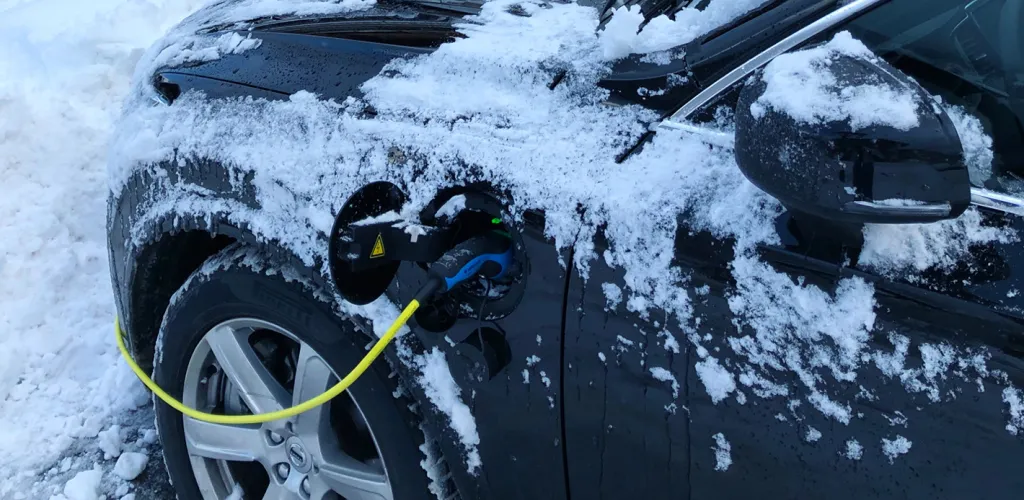
- Winter EV range drops about 25–50% depending on model and temperature.
- Heat pumps cut winter loss to about 25%, while non-heat-pump cars lose ~34%.
- Preconditioning uses external power to heat battery and cabin before departure.
- Plug in about 30 minutes before departure for better winter range.
Low temperatures significantly affect the performance of electric vehicles, and understanding this phenomenon along with practical solutions can make the difference between a positive experience and a frustrating one during the cold season. Experts confirm that EV range drops by about 25-50% in winter, depending on the model and outdoor temperature, but there are effective methods to minimize this loss.
The Reality of Winter Range Loss
Martin Archambault, spokesperson for the Electric Vehicle Association of Quebec, notes that modern models, with a range of over 250 kilometers on a single charge, have significantly mitigated this issue. However, when temperatures drop very low, the electric car requires prior preparation - plugging into a charging station for about 30 minutes before departure can make a substantial difference.
The British publication Autocar analyzed ten electric car models, comparing their summer range to winter range. The results were revealing: vehicles equipped with heat pumps lost about 25% of battery range in winter, while those without heat pumps experienced a drop of around 34%. In extreme cases, some studies documented range losses of up to 50%, depending on the model and specific conditions.
For most users who travel less than 80 kilometers daily, any electric vehicle should cope with winter conditions without major issues, according to the European New Car Assessment Programme.
Why Battery Range Drops in Winter
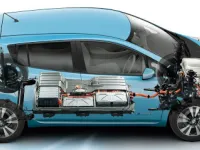
Electric vehicles use lithium-ion batteries, whose operation relies on the movement of electrons during charging and discharging. This battery chemistry is directly affected by ambient temperature.
In cold weather, the flow of electrons slows significantly due to increased internal resistance of the battery cells. This slowdown of electrochemical processes has two major consequences: it reduces the available range and increases charging time. At temperatures below zero Celsius, the battery can temporarily lose a significant portion of its nominal capacity, energy that returns once the battery warms up.
Additionally, climate control systems consume extra energy to heat the cabin, energy that would normally be used for propulsion. Unlike internal combustion engine cars, which recover heat lost by the engine, electric vehicles must generate heat for comfort, using energy directly from the battery.
Effective Methods to Improve Winter Range
Preconditioning - your most important ally
The preconditioning function is the most effective method to protect range in winter. This process heats the battery and cabin using electrical power directly from the outlet, not from the battery. By programming preconditioning during charging, you’ll have a warm car and the battery at the optimal temperature exactly when you depart, without using battery energy for heating.
Most modern electric cars allow preconditioning to be scheduled through the mobile app, so you can set the departure time and the car will be ready automatically. This function can save 15-20% of range over the course of a winter day.
Smart Parking makes a difference
Parking in a garage or underground parking may seem like a minor detail, but the impact is significant. A temperature 10-15 degrees higher than outside shields the battery from excessive cold and reduces the energy needed for initial heating of the car.
In enclosed spaces, the battery maintains its temperature better overnight, meaning you’ll have more available range in the morning. Also, charging will be faster and more efficient at moderate temperatures.
Localized Heating - Maximum Efficiency
Instead of heating the entire cabin, activate seat and steering wheel heating. These systems consume significantly less energy—roughly 50-100 W per front seat versus 3-5 kW for the main climate control system. You’ll achieve the same level of thermal comfort with a fraction of the energy.
If your car has a heated steering wheel and heated/cooled seats, use them first and keep the overall climate control temperature lower, at 18-20 degrees instead of 22-24 degrees.
Adapting Driving Style
Efficient driving becomes even more important in winter. Sudden accelerations and strong braking waste energy and hinder optimal energy recovery through regenerative braking, which is anyway less efficient in cold weather.
Turn on Eco mode or the maximum efficiency mode available in your car. These modes limit peak power and optimize auxiliary systems for minimum consumption. Anticipate traffic and maintain a constant speed whenever possible.
Frequent regenerative braking can be less efficient at very low temperatures because the cold battery cannot accept charging current as quickly. As the battery warms up during driving, the efficiency of regeneration will improve.
Preparing for a long trip
In winter, planning is essential. Always keep a charging cable in the trunk so you can charge at any charging point on your route. Check navigation apps for fast-charging stations along your route and plan stops in advance.
If you know you have a long trip ahead, try to start with the battery charged to 100% and preconditioned. During the journey, at fast-charging stations, the battery will charge more efficiently if it is already warmed from driving.
Winter tires and correct tire pressure
Winter tires are not only important for safety but also for efficiency. The softer compound provides superior grip at low temperatures, allowing smoother acceleration and more efficient braking, both contributing to energy savings.
Tire pressure drops by about 0.1 bar for every 10°C drop in temperature. Underinflated tires increase rolling resistance and energy consumption by up to 5-10%. Check tire pressure weekly in winter and keep it at the manufacturer’s recommended level or even 0.2 bar higher for optimal efficiency.
Practical Conclusions
Although winter range reduction is a reality for all electric vehicles, applying these methods can significantly reduce the impact. The combination of preconditioning, smart parking, localized heating, and driving style adaptation can recover 20-30% of the range lost due to cold.
As battery technology evolves and thermal management systems become more sophisticated, the gap between summer and winter range will narrow. Until then, understanding these principles and applying them consistently will allow you to enjoy the benefits of an electric car in any season.