- Oil pressure drop triggers warning light, rough idle, power loss, and engine noises
- Overheating risk rises as pump fails, causing higher temps and gasket damage
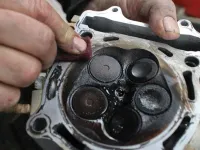
- Hydraulic tappets become noisy due to insufficient oil pressure
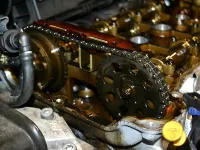
- Timing system noises signal lubrication issues and accelerated wear
The oil pump is the heart of the engine lubrication system, responsible for maintaining the correct pressure and delivering oil to all moving components. Without optimal operation, the engine can suffer serious damage in a very short time.
Early recognition of the symptoms of a faulty oil pump can mean the difference between a simple repair and the substantial costs of a full engine rebuild. In this guide, we explore the most important warning signs and available solutions to keep the engine within optimal parameters.
How to recognize a defective oil pump: 5 essential symptoms
1. Oil pressure drop – the first warning sign
The drop in oil pressure is the most evident indicator of a faulty pump. When the pump can no longer deliver the necessary flow, oil pressure will drop dramatically, putting the engine at risk.
Visible symptoms include:
- Oil pressure warning light on the dashboard
- Rough engine operation, especially at idle
- Loss of power and performance
- Characteristic metallic noises from the engine bay
- Abnormal vibrations during acceleration
Why it happens: A worn pump can no longer generate the pressure needed to push oil through all the engine passages, leaving critical components insufficiently lubricated.
2. Engine overheating – a major danger
Proper lubrication not only reduces friction but also carries heat away from critical engine areas. A faulty pump compromises this vital process.
Consequences of overheating:

- engine overheating in normal driving conditions
- Temperature warning light on the dashboard
- Expansion of metal components and possible seizing
- Damage to gaskets and seals
- Risk of head gasket or block cracking
Mechanism of the problem: Without proper oil flow, moving components generate more heat due to friction, and the cooling system can no longer compensate for the thermal overload.
3. Noises from hydraulic tappets
Hydraulic tappets are precision components that require a constant oil pressure to operate quietly. When the pump no longer ensures the required parameters, they become noisy.
Characteristic sounds:
- Metallic tapping in the upper part of the engine
- Louder noises during cold starts
- Intensification of sounds during acceleration
- Rhythmic tapping in sync with engine RPM
Technical explanation: Hydraulic tappets work on the principle of oil pressure maintaining constant contact between the camshaft lobes and valves. Insufficient pressure creates mechanical play and noise.

4. Noisy timing system
The timing system, composed of the chain or belt, guides, tensioners, and cams, requires constant lubrication for optimal function.
Timing system noises:
- Roar from the timing chain/belt area
- Noises from the hydraulic chain tensioner
- Tapping from chain guides
- Metallic sound when changing operating modes
Associated risks:
- Accelerated wear of timing components
- Timing chain elongation
- Risk of chain breakage and valve damage
- Desynchronization of the timing with catastrophic consequences
5. Direct noises from the oil pump
Although less common, noises emitted directly from the pump can be detected by an experienced ear.
Sound characteristics:
- Low-intensity roaring from the lower part of the engine
- Noises more pronounced at idle
- Sound intensifies with RPM
- Possible vibrations transmitted through the chassis
Main causes of oil pump failure
Natural wear and high mileage
The oil pump is designed for a service life of about 180,000–250,000 km under normal usage.
Components that wear:
- Internal gears
- Pump bearings
- Seals and O-rings
- Pump housing and sealing surfaces
Inadequate maintenance
Neglecting the service schedule can dramatically accelerate pump wear.
Risk factors:
- Infrequent engine oil changes (intervals exceeded)
- Use of inferior or incorrect oil
- Ignoring manufacturer recommendations
- Running with low oil level
Contamination of engine oil
Impurities in the oil accelerate wear on pump components.
Types of contamination:
- Metal particles from engine wear
- Coolant ingress (damaged gaskets)
- Carbon deposits and residues
- Water and condensate from thermal cycles
Problems with the filtration system
Oil filter-related causes:
- Clogged or blocked oil filter
- Incorrect installation or improper tightening
- Using a filter with the wrong specifications
- Infrequent filter changes
Professional diagnosis of problems
Preliminary checks
Visual inspection:
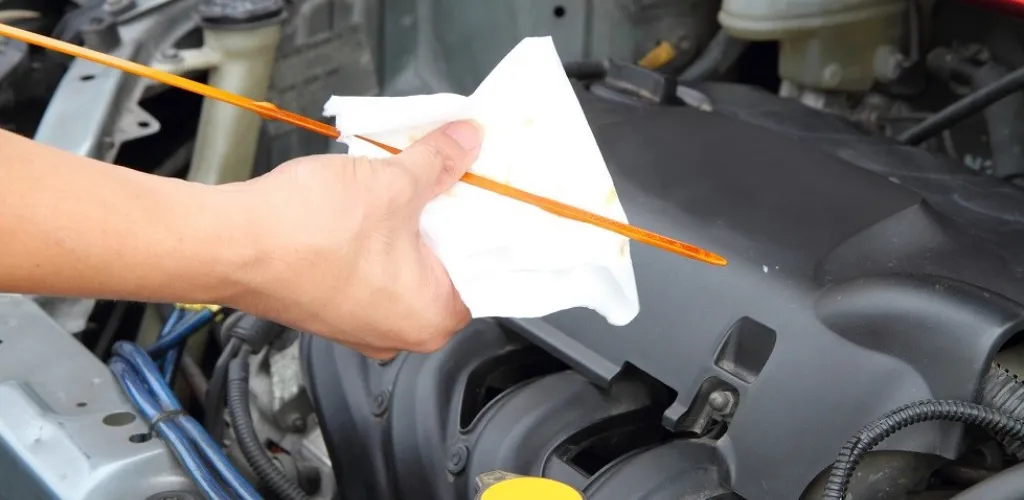
- Check oil level with the engine off and cold
- Inspect oil color and viscosity
- Look for visible oil leaks
- Check the condition of the oil filter
Auditory tests:
- Listen to noises at idle and during acceleration
- Identify noise sources with a mechanic’s stethoscope
- Monitor sound changes over time
Advanced technical tests
Measuring oil pressure:
- Use a professional gauge
- Test at different operating regimes
- Compare to manual specifications
- Monitor pressure stability
Electronic diagnostics:
- Scan ECU error codes
- Monitor real-time parameters
- Test oil pressure sensor
- Check history of failures
Solutions and repair options
Replacing the oil pump
DIY option (Do It Yourself):
- Requires advanced mechanical experience
- Access to specialized tools
- Knowledge of vehicle-specific procedures
- Risk of damaging adjacent components
Professional service – advantages:
- Experience and specialized equipment
- Warranty on work and parts
- Comprehensive system diagnosis
- Guidance for preventive maintenance
Preventive maintenance – the key to longevity
Optimal maintenance program:
- Regular oil changes: strictly follow recommended intervals
- High-quality oil: use oil with correct specifications
- Efficient filtration: replace the filter at every oil change
- Constant monitoring: regular level and quality checks
Additional recommendations:
- Warm up the engine before hard accelerations
- Avoid driving with low oil levels
- Use additives only after specialist consultation
- Change oil more frequently in severe operating conditions
Financial aspects of repair
Estimating costs
Components and prices:
- Oil pump: 200-800 RON (varies by brand and model)
- Labor: 300-600 RON
- Fresh oil and filters: 150-400 RON
- Auxiliary parts: 50-200 RON
- Total estimated: 700-2000 RON
Factors influencing cost:
- Vehicle brand and model
- Accessibility of the pump within the engine
- Need to replace additional components
- Service rates
Cost-benefit comparison
Repair cost vs. consequences:
- Preventive repair: 700-2000 RON
- Engine rebuild: 5,000-20,000 RON
- New/rebuilt engine: 8,000-25,000 RON
- Vehicle depreciation: 30-50% of value
Consequences of neglecting the issue
Progressive engine damage
Stages of deterioration:
- Phase one: Accelerated wear of bearings
- Phase two: Partial seizure of components
- Phase three: Complete seizure and engine destruction
Affected components:
- Crankshaft and camshaft bearings
- Pistons and rings
- Valves and their guides
- Cylinders and cylinder sleeves
Major financial impact
Major repair costs:
- Engine overhaul: 3,000-8,000 RON
- Complete rebuild: 5,000-15,000 RON
- New/reconditioned engine: 8,000-25,000 RON
- Vehicle depreciation: 30-50% of value
Conclusion
The oil pump is one of the engine’s vital components, and keeping it in optimal condition is crucial for the longevity and performance of the vehicle. Early recognition of symptoms — low oil pressure, high temperature, tappet noises, timing system issues, and direct pump noises — can prevent catastrophic damage and substantial costs.
Preventive maintenance, through regular oil changes and the use of quality products, can extend the pump’s life up to about 250,000 km. In contrast, neglecting these aspects can lead to repair costs 10-15 times higher than timely replacement.
Investing in professional diagnostics and timely repair not only protects the engine but also preserves the vehicle’s value in the long term. Remember that an oil pump that’s faulty won’t fix itself — ignoring the problem only worsens the situation and drives costs exponentially higher.