- Brake fluid degrades, lowering boiling point; change every 3 years or 50k km
- Transmission fluid isn’t lifetime; change every 80,000-100,000 km and replace filter
- Coolant isn’t truly lifetime; replace to maintain additives and pH balance
Proper vehicle maintenance involves much more than changing the engine oil and the air filter. While most car owners are familiar with these basic tasks, there are several critical elements that are often overlooked for various reasons—from cost to lack of information.
While following the manufacturer’s recommended service schedule remains the best approach to keeping the vehicle in optimal condition, many owners choose to skip certain services, viewing them as costly or unnecessary. This approach can lead to serious and costly problems in the long run.
If you decide to adopt an alternative maintenance program, it’s essential not to overlook the following five elements that can have a major impact on your vehicle’s performance and safety.
1. Brake Fluid Change
Brake fluid is a critical component of the safety system, but its hygroscopic properties make it vulnerable to degradation. Being hygroscopic, brake fluid attracts and absorbs moisture from the surrounding environment, even in a theoretically sealed system.
This moisture contamination leads to several serious problems:
- Lower boiling point — moisture lowers the boiling point of the fluid, which can lead to vapor formation during intense braking
- Corrosion of the hydraulic system — water in the system causes rust and corrosion of metal components in brake calipers and lines
- Reduced braking efficiency — contaminated fluid provides weaker transmission of hydraulic pressure
Most manufacturers specify different intervals for brake fluid change, usually between 2-4 years. For maximum safety, brake fluid should be changed every 3 years or at 50,000 kilometers, whichever comes first.
2. Automatic Transmission Fluid Change
The concept of a lifetime transmission fluid has become a marketing strategy to make vehicles seem cheaper to maintain. The technical reality, however, is different.

Modern transmissions operate under much harsher conditions than their predecessors:
- Higher temperatures — more compact compartments and reduced ventilation
- Higher pressures — to manage the increased torques of modern engines
- Intense mechanical stress — more gears and more complex shift logic
These conditions accelerate transmission fluid degradation, causing it to lose lubricating and cooling properties. Statistics show that vehicles with “lifetime fluid” experience a higher rate of transmission failures after 150,000 kilometers.
For transmission longevity, it’s recommended to change the transmission fluid every 80,000-100,000 kilometers, along with the transmission filter where applicable.
3. Coolant Replacement
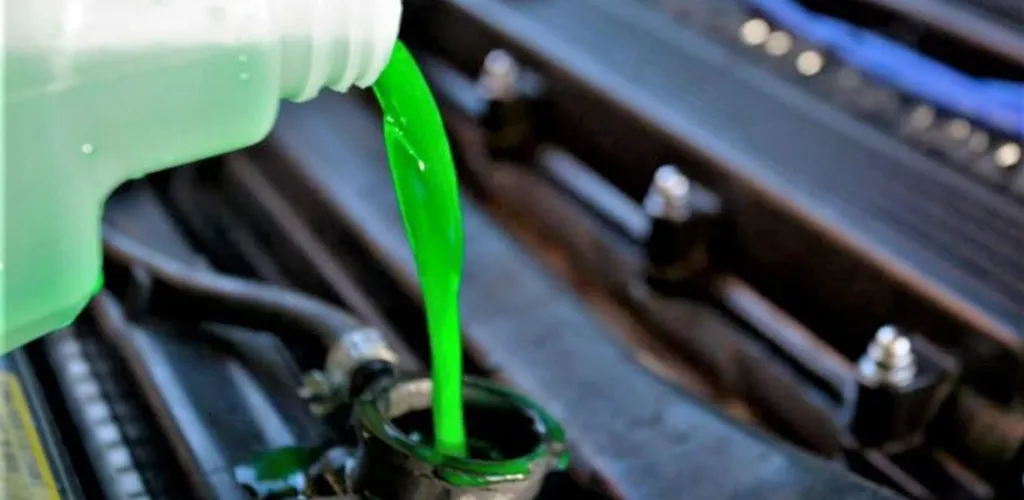
Like transmission fluid, coolant is often marketed as “lifetime.” This claim ignores the chemical realities of coolant degradation.
Coolant undergoes chemical changes over time:
- Degradation of additives — corrosion inhibitors and anti-foaming agents lose effectiveness
- pH shift — the chemical balance becomes acidic, accelerating corrosion
- Contamination — metal particles and deposits affect heat transfer
- Decrease in anti-freeze properties — glycol concentration changes due to evaporation
An improper pH can cause:
- Damage to gaskets and hoses
- Corrosion of the radiator and engine block
- Reduced cooling efficiency
- Deposits forming in the cooling system
The recommended interval for a full coolant change is every 60,000-80,000 kilometers, with regular checks of concentration and pH.
4. Cabin Air Filter (Pollen Filter) Replacement
The cabin air filter is responsible for the air quality inside the cabin, but its impact on health and comfort is often underestimated.
There are several types of cabin filters:
Standard Particulate Filters
- Trap dust, pollen, and large particles
- Filtration efficiency of about 90-95% for particles >10 microns
- Low cost, but limited protection
Activated Carbon Filters
- Remove odors and harmful gases (NOx, SO2, ozone)
- Trap fine particles and volatile organic compounds
- Superior protection against urban pollution
HEPA Filters (in premium vehicles)
- Efficiency >99% for particles >0.3 microns
- Maximum protection against allergens and fine particles
A clogged filter affects:
- Cabin air quality
- HVAC system efficiency
- Fuel consumption (due to increased resistance to airflow)
It is recommended that the pollen filter be changed every 15,000-20,000 kilometers or annually, depending on usage conditions.
5. Valve Clearance Adjustment
Although modern engines use hydraulic automatic lifters more and more, there are still many vehicles on the road that use mechanical valve train adjustment systems. This complex maintenance operation is often neglected because of cost and complexity.
Importance of correct clearance
Clearance directly influences:
Valves too tight (insufficient clearance):
- Valves do not fully close
- Loss of compression
- Valve overheating
- Risk of valve burning
- Reduced engine power
Valves too loose (excessive clearance):
- Metallic tapping noise
- Incomplete valve opening
- Reduced volumetric efficiency
- Accelerated wear of the timing mechanism
Inspection and adjustment procedure
Valve adjustment requires:
- Cold engine (ambient temperature)
- Piston positioned at Top Dead Center
- Precise measurement with feeler gauges
- Adjustment via adjustment screws
- Final check after a few startup cycles
Inspection intervals vary between 30,000-60,000 kilometers, depending on engine type and manufacturer recommendations.
Impact of neglecting these services
Ignoring these maintenance elements can lead to:
- Major repair costs — replacing a transmission or an engine costs much more than preventive maintenance
- Safety issues — a compromised braking system endangers lives
- Lower vehicle value — an incomplete maintenance history reduces resale value
- Reduced reliability — unexpected breakdowns and vehicle downtime
Conclusion
These five maintenance elements represent only part of the services frequently neglected that can have a major impact on performance, safety, and longevity of the vehicle. While following the manufacturer’s full maintenance schedule remains the best strategy, giving special attention to these aspects can make the difference between a reliable vehicle and one prone to costly failures.
Investing in preventive maintenance is always cheaper than major repairs. A well-planned maintenance program not only protects your investment but also ensures your safety on the road in the long term.