- Poor vehicle condition causes over 600 preventable annual crashes in Romania.
- Tires are the only road contact; monitor pressure, alignment, and rotation.
- Brakes require immediate attention; brake pads wear around 30,000 km, costs 200-1000 RON.
- Regular maintenance reduces accident risk and long-term costs.
Romania experiences around 30,000 road crashes annually, and international statistics show that about 2% of these are due to poor vehicle condition. That percentage may seem small, but it translates to over 600 preventable accidents each year through proper car maintenance. Beyond following traffic rules and avoiding driving under the influence of alcohol or drugs, keeping the vehicle within optimal technical parameters represents a crucial factor for road safety.
A well-maintained vehicle not only reduces the risk of an accident but also provides a more comfortable driving experience and lower long-term costs. Here are five essential areas requiring constant attention to prevent dangerous situations on the road.
Tire maintenance - the foundation of safety
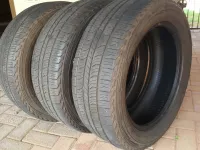
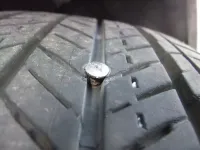
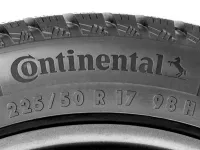
Tires are the only contact point between the vehicle and the road, making them crucial for safe driving. A tire in poor mechanical condition can compromise steering, braking, and acceleration control.
Correct tire pressure
Too much or too little air causes uneven tire wear and can lead to loss of vehicle control. Insufficient pressure significantly increases the risk of blowouts, especially at high speeds or on hot days. Checking tire pressure should always be done when tires are cold - even a short drive warms the tires and can skew measurements.
Since 2008, most new vehicles are equipped with TPMS (Tire Pressure Monitoring System), which alerts the driver to improper tire pressure.
Tire alignment and rotation
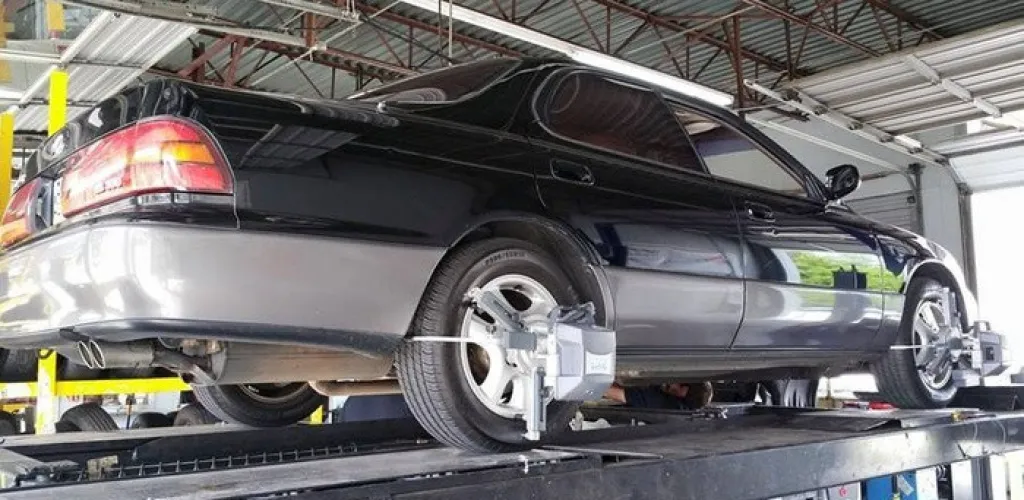
Tires should be rotated every 10,000-15,000 km to ensure even wear. Alignment should be checked every 12-18 months or when uneven wear is observed. Signs of a faulty alignment include:
- Vehicle pulls to one side
- Uneven wear on one edge of the tire
- Steering wheel vibrations
- Rapid center tread wear
Estimated costs:
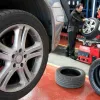
- Tire inflation: 1-3 RON at a tire shop
- Tire rotation: 100-200 RON
- Wheel alignment: 100-200 RON (assuming no issues with the steering system)
Brake system - top priority
A deficient braking system can turn any traffic situation into a serious accident. Unlike other components that can be temporarily ignored, brakes require immediate attention at the first sign of wear.
When to replace brake pads
Brake pads wear naturally and require replacement at approximately 30,000 km, though this interval can vary significantly depending on driving style:
- Aggressive driving with hard braking reduces lifespan
- Heavy urban traffic accelerates wear
- Predominantly highway driving prolongs life
The most obvious sign of wear is the metallic screech when braking. This sound indicates that the friction material has worn away and the pad metal is contacting the rotor, which can cause costly damage.
Brake pad replacement cost: 200-1000 RON, depending on vehicle and component quality
Suspension and steering system
The suspension keeps all four wheels in constant contact with the road, ensuring correct distribution of braking and acceleration forces. A worn suspension system compromises vehicle stability and increases braking distance.
Suspension system components
The system includes shock absorbers, the springs, tie rods, and all linkage between wheel and body. Wear in these components can have dramatic consequences, from loss of stability to axle breakage.
Simple suspension test
Drive the vehicle at 10 km/h and brake abruptly. If the car leans excessively and continues to oscillate after stopping, the suspensions require urgent inspection.
Signs of suspension wear:
- Vehicle “dances” on roads with minor bumps
- Uneven tire wear
- Noises when passing over a bump
- Increased braking distance
Suspension inspection cost: 100-300 RON, depending on system complexity
Lighting system - visibility saves lives
Defective lighting endangers not only the vehicle’s driver but also other road users. The absence of brake lights can cause rear-end collisions, and burnt-out headlights dramatically reduce nighttime visibility.
Common lighting system problems
Brake light switch may fail and not activate lights when pressing the pedal. This defect is extremely dangerous in dense traffic or at night.
Issues requiring immediate attention:
- Burnt-out bulbs in headlights, parking lights, or brake lights
- Turn signals flashing rapidly (indicates a burnt bulb)
- Headlights with dim light (damaged reflector)
- Electrical problems (fuses, faulty relays)
Repair costs:
- Full headlight replacement: 200-300 RON
- Brake light replacement: 50-300 RON
Windshield wipers - clear visibility in all conditions
Reduced visibility in rain or snow dramatically increases accident risk. Windshield wipers worn out leave streaks and smears that obstruct vision.
When to replace windshield wipers
Signs indicating replacement:
- Streaks on the windshield after wiping
- Squeaks or noise during operation
- Rubber cracked or deformed
- Skipping over certain areas of the windshield
Factors accelerating wear include intense UV radiation exposure, extreme temperatures, and use on a dry windshield. In Romania, where weather conditions can be severe, wipers should be replaced annually.
Wiper blade replacement cost: 50-150 RON for a pair
The importance of preventive maintenance
These five areas are only part of a comprehensive preventive maintenance program. A safe vehicle also requires:
- Regular engine oil and filter changes
- Checking the levels and quality of all fluids
- Regular inspection of drive belts
- Cooling system checks
- Battery and electrical system checks
Following the maintenance schedule in the owner’s manual not only prevents accidents but also reduces long-term costs by avoiding major unexpected repairs. Investing in preventive maintenance is always cheaper than emergency repairs or, more importantly, the consequences of an avoidable accident.