- Engine oil intervals depend on driving: urban 10k, highway 15k, sport 7.5–8k.
- Transmission fluid changes: typically at 120k, manual 100–150k, automatic 80–120k, CVT 60–100k.
- Brake fluid every 24 months; coolant 24–36 months, 5 years for OAT.
- Power steering rarely changes; differential oil around 120k, earlier if severe.
Proper maintenance of your car’s fluids is essential for optimal performance and the longevity of your vehicle. Each fluid plays a specific role in the car’s systems and requires replacement at different intervals. Delaying timely changes can lead to costly damage or even complete failure of vital components.
While some fluids need to be changed more frequently—around every 10,000 km—others can perform reliably for years. Let’s understand what the optimal intervals are for each fluid type and why they matter so much.
Engine oil — the cornerstone of the engine
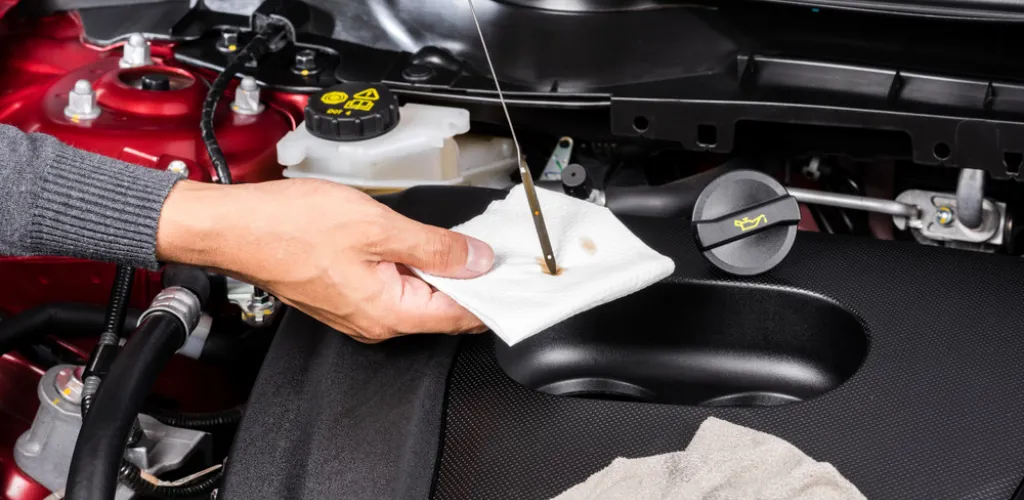
Engine oil is the most important liquid in your vehicle, serving to lubricate moving engine parts, clean impurities and dissipate heat. Replacement intervals depend largely on driving conditions:
- Urban driving: 10,000 km — heavy traffic conditions (start-stop, high engine temperatures) degrade the oil faster
- Highway driving: 15,000 km — the engine runs at stable temperatures, oil stays within parameters longer
- Sport driving: 7,500–8,000 km — high revs and elevated temperatures accelerate oil degradation
Transmission fluid — protection for the transmission
Transmission fluid lubricates and cools the internal components of the gearbox, ensuring smooth gear changes. Most manufacturers recommend changing at 120,000 km, but this interval can vary:
- Manual transmissions: 100,000–150,000 km
- Automatic transmissions: 80,000–120,000 km (more sensitive to fluid degradation)
- CVT transmissions: 60,000–100,000 km (requires special fluids with precise properties)
Differential oil — for optimal traction
Rear differential oil provides lubrication for gears that distribute power to the driving wheels. Manufacturers recommend changing at 120,000 km, but under severe conditions (towing, rough terrain) it may be necessary earlier.
Fluids for safety and comfort systems
Power steering fluid
Power steering fluid operates under relatively stable conditions and normally does not require regular changes. It is replaced only in exceptional cases:
- Contamination with impurities
- Repairs to the power steering system
- Color change (from red/yellow to brown/black)
- Unusual noises at the steering wheel
Cooling fluid (antifreeze)
Coolant plays a critical role in maintaining optimal engine temperature and protecting against freezing and corrosion. The standard change interval is:

- 24–36 months for most vehicles
- 5 years for advanced technology coolants (OAT - Organic Acid Technology)
- Earlier if color changes or impurities are observed
Brake fluid — safety first
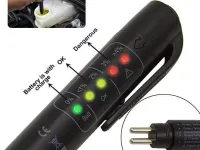
Brake fluid operates under extreme conditions — high temperatures, high pressures, and humidity exposure. For this reason, the replacement interval is strict:
- 24 months regardless of mileage
- Annual for vehicles with intensive use (taxis, transport)
- Immediately if level drops or color changes
Factors influencing replacement intervals
Usage conditions can significantly modify standard intervals:
Severe conditions require more frequent maintenance:
- Heavy urban traffic
- Extreme temperatures (very hot or very cold)
- Driving on dusty roads
- Regular towing
- Sport driving
Signs that fluids need changing:
- Engine oil: black color, viscous consistency, burnt smell
- Transmission fluid: strong odor, dark color, metallic particles
- Antifreeze: rusty color, deposits, consistently low level
- Brake fluid: dark color, altered consistency, soft pedal
The importance of following intervals
Changing fluids on time prevents:
- Premature wear of components
- Costly engine or transmission damage
- Loss of system efficiency
- Warranty void
- Safety issues (in the case of brake fluid)

For precise information about your vehicle, always consult the owner’s manual or contact a qualified mechanic. Each model may have specific requirements that differ from general recommendations.

Photo sources: totalnewswire.com, liveabout.com, youtube.com