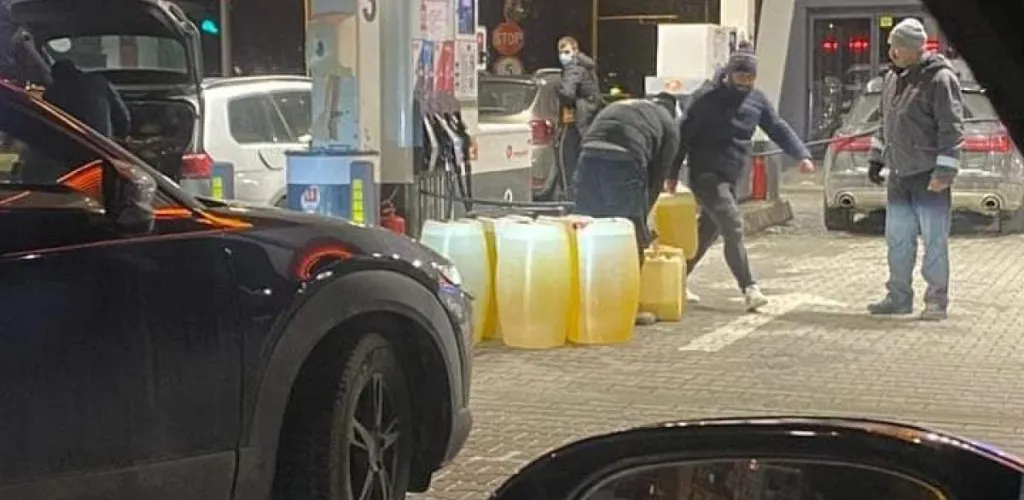
- Pure gasoline lasts about 6 months under optimal storage
- E10 lasts about 3 months due to humidity absorption
- Old gasoline causes hard starts, rough idle, and engine damage
- Fuel stabilizers extend storage up to 12 months
Gasoline is a volatile petroleum product that degrades over time, and using degraded fuel can cause serious engine damage—from clogged injectors to fuel pump issues or even damage to the fueling system.
Many people face situations where they don’t use their car for long periods—whether due to travel abroad, a suspended driver’s license, or simply because the vehicle sits idle in the garage. In such cases, a legitimate question arises: is it safe to start the engine after months of inactivity? The answer largely depends on the condition of the fuel in the tank.
Gasoline lifespan: determining factors
- Fuel type (pure or ethanol-blended)
- Storage conditions (temperature, humidity, system seal)
- Degree of contamination with water or impurities
- Presence of stabilizers in the fuel
Pure gasoline vs. ethanol-blended gasoline
Pure gasoline (ethanol-free)
Petroleum-based gasoline, 100%, without ethanol additives, has a shelf life of about 6 months under optimal storage conditions. The main degradation process is oxidation, which leads to sediments and gums that can clog the fuel system.
Advantages of pure gasoline:
- Does not absorb water from the atmosphere
- Resists contamination better under high humidity
- Retains properties longer
Ethanol-blended gasoline (E10)
Most gas stations in Romania sell E10 gasoline, which contains:
- 90% gasoline
- 10% ethanol
This fuel type has a shorter lifespan — maximum 3 months — due to ethanol properties:
- Absorbs humidity quickly from the atmosphere
- Separates from gasoline over time, forming distinct layers
- Accelerates corrosion of metal components in the fueling system
- Can cause deterioration of rubber or plastic seals
Risks of old gasoline for the engine
Immediate problems:
- Difficult startup or impossible
- Rough running of the engine
- Loss of power
- Increased fuel consumption
Long-term damage:
- Clogged injectors with gum deposits
- Damage to the fuel pump due to impurities
- Corrosion of the tank and fueling lines
- Catalytic converter damage due to incomplete combustion
How to recognize deteriorated gasoline
Visual and olfactory signs:
- Dark color (yellow-brown instead of light yellow)
- Sharp or sour smell or varnish-like odor
- Visible sediments in the tank
- Viscous consistency
Symptoms in engine operation:
- Difficult starting
- Unstable idle
- Sudden or intermittent accelerations
- Excessive exhaust fumes
Long-term storage solutions
Fuel stabilizers
For long-term storage, it is recommended to use gasoline stabilizers - specialized additives that:
- Slow down the oxidation process
- Prevent sediment formation
- Maintain fuel properties up to 12 months
- Protect the fueling system against corrosion
Extended-stability gasoline
There are special types of gasoline with extended stability, used in:
- Garden equipment
- Power generators
- Classic vehicles
- Marine applications
These fuels can last up to 2-3 years without significant deterioration.
Practical recommendations
For short periods (1-3 months):
- Keep the tank nearly full to minimize condensation
- Park the vehicle in a cool and dry place
- Check the seal integrity of the fuel cap
For long periods (over 3 months):
- Add a fuel stabilizer before storage
- Completely fill the tank to eliminate air
- Start the engine monthly for a few minutes if possible
- Consider draining the fuel system completely
Upon resuming use:
- Check the appearance and smell of the fuel
- Begin with light driving to test operation
- Monitor fuel consumption and engine behavior
- If problems occur, replace the fuel completely
Conclusion
Gasoline lifespan depends on multiple factors, but the general rule is not to exceed 3 months for ethanol-containing gasoline and 6 months for ethanol-free gasoline. For longer periods of inactivity, investing in fuel stabilizers can prevent costly engine repairs. It is always preferable to replace old fuel rather than risk major damage to the fueling system.