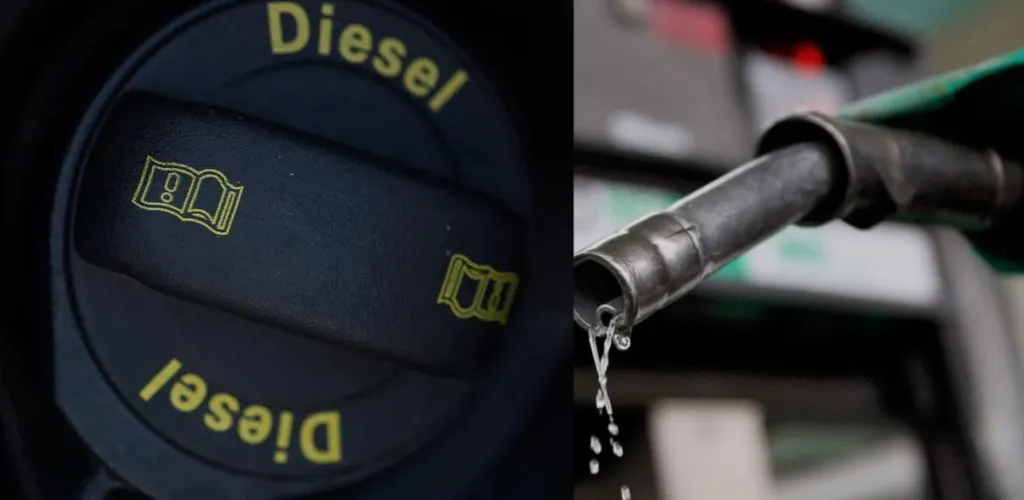
- Adding gasoline to diesel to prevent gelling is unsafe for modern engines.
- Modern injectors rely on diesel lubrication; gasoline causes wear.
- Repairs can cost €3,000-€8,000 for high‑pressure fuel systems.
- Use winter diesel or approved additives designed for cold weather.
Historically, diesel owners were advised to add a small amount of gasoline to the diesel tank to prevent gelling in winter. While this approach seemed logical and effective at the time, it can have disastrous consequences for modern diesel engines. Understanding how diesel technology has evolved and what safe alternatives exist is essential for any diesel vehicle owner.
This article explains why that practice is no longer safe, how modern fuel systems work, and the best winter-ready options for maintaining performance and reliability.
Why gasoline was added to diesel fuel in the past?
The practice of adding a small amount of gasoline to diesel was widespread in previous years for several clear technical reasons. Gasoline has a lower freezing point than diesel and solvent properties that helped fluidify the fuel in extreme cold.
In the past, standard diesel tended to gel at temperatures below -10°C, forming paraffin crystals that blocked the fuel filter and fuel lines. Adding 5-10% gasoline to diesel helped:
- Lower the solidification point of the mixture
- Improve fuel flow at low temperatures
- Facilitate engine starting in freezing conditions
- Prevent fuel system blockages
Risks for modern diesel engines
Sensitive fuel injection systems
Modern diesel engines are equipped with high-pressure injection systems - common rail, piezoelectric injectors or unit injectors - operating at pressures up to 2,500 bar. These systems are extremely precise and sensitive to fuel quality.
Gasoline provides far poorer lubrication than diesel. The high-pressure pump and injectors rely on the lubrication properties of diesel to operate properly. Gasoline can cause:
- Premature wear of fuel pump components
- Damage to high-pressure injectors
- Sticking of injector plungers
- Failure of pressure sensors in the common rail system
Serious financial consequences
Repairing or replacing a modern fuel-injection system can cost between €3,000-€8,000 depending on the make and model. In severe cases, gasoline can also affect engine cylinders, requiring major overhauls or even engine replacement.

Safe alternatives for the cold season
Winter diesel
Starting in November, service stations sell winter diesel, which contains special additives to resist very low temperatures. This diesel stays fluid down to -20°C or lower.
Winter diesel contains:
- Anti-gel additives (CFPP improvers)
- Biocides to prevent bacterial growth
- Antioxidants to preserve fuel quality
- Additives to improve combustion
Specialized additives
There are commercially formulated additives designed for diesel engines, which offer:
- Protection against freezing down to -40°C
- Improved lubrication properties of the fuel
- Cleaning of the injection system
- Reduced emissions and improved efficiency
These additives are tested and approved for modern engines and do not affect vehicle warranty.

Prevention through planning
To avoid winter problems:
- Fuel only from trusted stations with quality diesel
- Keep the tank as full as possible to reduce condensation
- Use approved preventive additives before freezes
- Check the fuel filter and replace if necessary
- Park the vehicle in a heated garage when possible
Evolution of diesel technology
Modern diesel engines are fundamentally different from those of 20–30 years ago. Today’s injection systems operate with micron tolerances and require perfectly clean fuel with precise properties.
Modern fuel requirements
The EN 590 standard for diesel specifies:
- Exact viscosity for lubrication of components
- Very low sulfur content (below 10 ppm)
- Detergent properties to keep the system clean
- Oxidation stability for long-term storage
Gasoline does not meet these requirements and can compromise optimal engine operation.
Conclusion
While adding gasoline to diesel was an acceptable practice for older diesel engines, it can be extremely harmful for modern vehicles. Today’s technology offers safe and effective winter solutions without the risks of mixing fuels.
Investing in high-quality diesel and specialized additives is far cheaper than repairing a damaged fuel-injection system. For engine safety and longevity, follow the manufacturer’s recommendations and avoid outdated practices that can be costly.