- Modern fuel systems meter fuel via the ECU to match engine conditions.
- Electric fuel pumps in tanks maintain constant pressure: 3-4 bar for port, 6-7 for direct.
- Injection provides precise fueling and superior atomization versus carburetors.
Fuel delivery systems have evolved dramatically in recent years, moving from simple carburetors to complex electronic systems controlled by the ECU. This evolution has been necessary to meet strict emissions requirements and to achieve superior energy efficiency.
Understanding how these systems operate is essential for any automotive enthusiast, because a fault in the fuel delivery system can dramatically affect engine performance and fuel economy.
Basic principle of the fuel delivery system
Whatever the manufacturer, any modern fuel delivery system operates on the same fundamental principle: transporting fuel from the tank to the engine in a precise amount and at the right moment.
The amount of fuel injected into the cylinders is determined by the ECU (electronic control unit), which can be considered the brain of the car. This computer constantly analyzes hundreds of parameters to optimize the air-fuel mixture.
Essential components of the system
Fuel pump
Everything starts with the fuel pump, which can be mechanical (in older vehicles) or electric (in most modern cars). The electric pump is usually located in the fuel tank and operates at pressures of about 3-4 bar for engines with port/indirect injection and up to 6-7 bar for direct injection.
The pump has the crucial role of maintaining constant pressure in the fuel system, regardless of the engine’s demands.
Fuel lines
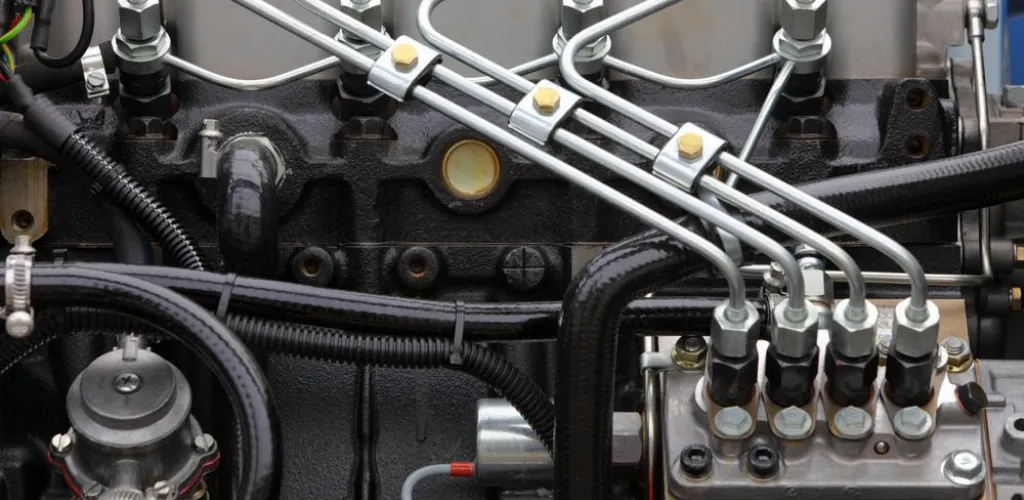
Fuel is carried through stainless steel or aluminum lines, designed to resist corrosion and high pressure. These lines follow a specific route, protected from engine heat and the harsh external environment.
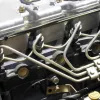
Engineers pay particular attention to the routing of these lines to avoid hot spots that could cause fuel vaporization.
Fuel filter
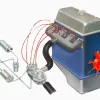
The fuel filter plays a vital role in protecting the injection system. It removes solid particles, water, and other impurities that could damage the injectors or the high-pressure pump.

A clogged filter can reduce fuel pressure and cause symptoms such as:
- Difficult starting
- Loss of power during acceleration
- Uneven engine operation
- Increased fuel consumption
Evolution from carburetor to injection
Carburetor limitations
The carburetor was gradually replaced due to its inherent limitations. The main problem was that it produced an air–fuel mixture with a fixed ratio, regardless of the engine’s demands.
At 2000 rpm, the engine needed the same air–fuel ratio as at 5000 rpm, which led to:
- Excessive fuel consumption
- High pollutant emissions
- Suboptimal performance
- Difficulties starting in extreme conditions
Advantages of injection systems
Modern injection systems have revolutionized how engines operate by:
Precise control of the amount of fuel: The ECU can vary the injected amount based on engine load, temperature, altitude, and many other factors.
Superior atomization: Injectors spray the fuel into extremely fine droplets, ensuring complete and efficient combustion.
Instant response: The system can adapt the mixture in milliseconds, delivering smooth acceleration and consistent power.
Types of injection systems
Indirect injection (port injection)
Fuel is injected into the intake runners, before the intake valves. This method allows:
- Cleaning of intake valves
- Lower production cost
- Increased reliability
Direct injection
Fuel is injected directly into the combustion chamber, at pressures up to 200 bar. Advantages include:
- Superior energy efficiency
- Reduced CO2 emissions
- Increased power
- Precise control over the combustion process
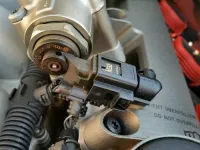
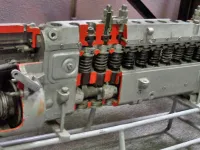
High-pressure fuel pump
In direct-injection systems, the high-pressure pump (driven by the camshaft) raises fuel pressure from about 4-6 bar to 150-200 bar. This extreme pressure is necessary to penetrate the compressed combustion chamber.
Injectors – the heart of the system
Modern injectors are precision electronic devices that can open and close thousands of times per minute. They contain:
Multi-hole nozzle: For optimal fuel atomization Electromagnetic solenoid: For precise opening control Built-in filter: For internal protection
Injector health depends on:
- The quality of the fuel used
- Regular replacement of the fuel filter
- Use of cleaning additives
- Preventive maintenance
Signs of a fuel system fault
Common problems and their symptoms:
Defective fuel pump:
- Unusual noise from the tank area
- Difficult or impossible starts
- Engine stalls while driving
Dirty or faulty injectors:
- Uneven idle operation
- Power loss
- Increased fuel consumption
- Black smoke emissions
Clogged filter:
- Weak accelerations
- Hesitation on acceleration
- Reduced power at high RPM
Maintenance of the fuel system
To keep the system in optimal condition:
- Replace the fuel filter according to the maintenance schedule
- Use quality fuel from trusted stations
- Perform periodic injector cleanings
- Monitor fuel pressure during service intervals
- Check lines for cracks or corrosion
Modern fuel delivery systems are a marvel of engineering, combining electronic precision with fundamental mechanical principles to deliver high performance and efficiency. Proper maintenance of these systems is essential for engine longevity and maintaining optimal performance.