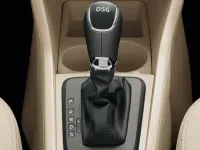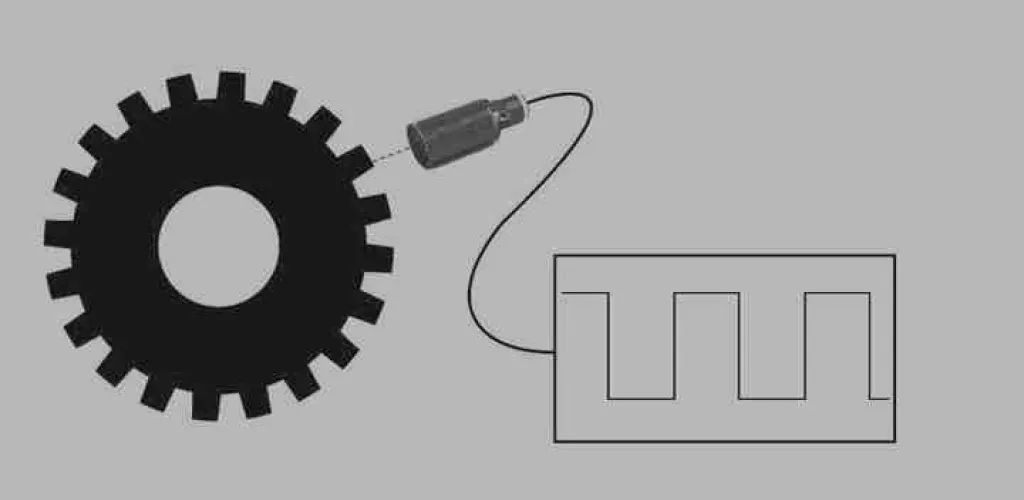
- Engine and transmission speed sensors feed data to the ECM for operation and safety.
- Two main types: engine speed sensor and transmission speed sensor.
- Cruise control can fail or disable if speed data is faulty.
- Check Engine light may illuminate when speed sensor data is corrupted.
Speed sensors are vital components of the engine management system, playing a crucial role in controlling the transmission and ensuring optimal vehicle operation. When these sensors fail, a range of issues can affect safety and driving comfort. In this article, you will discover the main symptoms of defective speed sensors and the costs associated with repairing them.
Two main types of speed sensors equip modern vehicles, and their roles are explained below, along with how the data from these sensors informs the engine and transmission control systems. We cover how faulty sensors can impact cruise control and gear changes, and provide tips to prevent failures.
Types of speed sensors in the vehicle
Engine speed sensor
The engine speed sensor detects how many revolutions per minute (RPM) the crankshaft is turning in real time. This information is essential for ignition timing and fueling, and the [Engine Control Module (ECM)] relies on engine speed data to optimize performance.
Transmission speed sensor
The transmission speed sensor measures the vehicle speed on the road. It is usually mounted on the transmission or differential and calculates speed based on the rotation of the transmission output shaft. The wheel speed sensors are integrated into the wheel hubs, allowing them to measure speed and movement precisely. The transmission relies on data from these sensors to function properly.
Functions of speed sensors
Both sensors continuously communicate with the [Engine Control Module (ECM)]. The data the ECM receives from these sensors allows it to take appropriate actions for:
- Optimal engine operation
- Managing gear shifts
- Ignition timing control
- Safety system control (ABS, ESP)
- Cruise control operation
Wheel speed sensors (also known as wheel-speed sensors) are located in the wheel hubs, enabling precise measurement of speed and movement. The transmission depends on information from both sensors to function correctly.
Main symptoms of defective speed sensors
1. Cruise control operates abnormally
Cruise control requires accurate vehicle speed data to maintain the set speed. If the [Engine Control Module (ECM)] cannot receive proper speed information, the cruise control cannot maintain the desired speed.

In this case, the ECM will detect the problem and automatically disable cruise control until the fault is repaired. If you don't use cruise control frequently but suspect speed sensor issues, try activating it to test operation.

2. Check Engine light on the dashboard
When the [Check Engine light] comes on, it can indicate multiple problems across various vehicle components. However, if cruise control is not functioning and the engine light is on, these are clear indicators of a defective speed sensor.
The engine control module relies on valid crankshaft speed data. When this data is inaccurate or missing, the ECM will alert the driver via the warning lamp.
Other common error codes associated with defective speed sensors include:
- P0500 - Vehicle speed sensor circuit
- P0501 - Vehicle speed sensor range/performance
- P0502 - Vehicle speed signal low
3. Long gear-change intervals
The engine control module communicates directly with the transmission to coordinate gear shifts. When the transmission speed sensors fail, the ECM cannot correctly manage shifting actions.

Conseqences include:
- Shift timing is lost
- Unusual gaps between shifts
- Abrupt or harsh shifts
- Reluctance of the transmission to change gear
These issues are more evident on automatic transmissions, but can also affect manual transmissions via electronic assists.
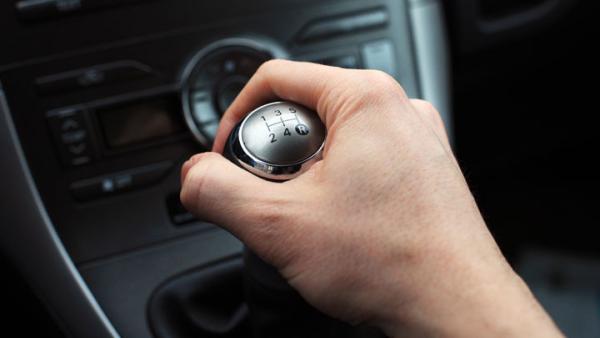
4. Difficulty shifting gears
In addition to long intervals between shifts, you may experience issues with the gear lever. Symptoms include:
Abnormal resistance - The shifter moves too hard or requires excessive force Too-quick movement - The shifter \“drops\” too easily between positions Lack of tactile feedback - You don't feel a clear engagement of gears
For safe driving, gear changes should be smooth and consistent, providing clear feedback on the selected gear.
Other associated symptoms
In addition to the main symptoms, defective speed sensors can cause:
- Abnormal ABS operation - The system can engage without reason
- ESP/ESC issues - Stability systems may operate incorrectly
- Speedometer not functioning - The speed display may be incorrect or missing
- Increased fuel consumption - The ECM cannot optimize the mixture
- Engine running in limp mode - Power is reduced to protect the engine
Replacement costs for speed sensors
The average cost to replace speed sensors varies considerably depending on the brand and model of the vehicle:
Parts costs:
- Economy sensors: 70-80 lei
- Mid-range: 100-200 lei
- Premium/OEM sensors: 300-400 lei
Labor costs:
- Simple replacement: 80-120 lei
- Hard-to-reach location: 150-250 lei
- Calibration required: additional 50-100 lei
Factors influencing cost:
- Vehicle brand - premium cars have pricier parts
- Sensor accessibility - some are harder to replace
- Need for calibration - some vehicles require additional procedures
- Geographic region - prices vary between cities
How to prevent speed sensor failure
To extend the life of speed sensors:
- Regular maintenance - Clean the sensor area of dirt and debris
- Periodic checks - Inspect wires and connectors
- Avoid shocks - Drive carefully on rough roads
- Timely service - Adhere to service intervals
Defective speed sensors are a serious issue that can affect safety and performance. At the first signs, it is recommended to consult a specialized auto service for diagnosis and professional repair.