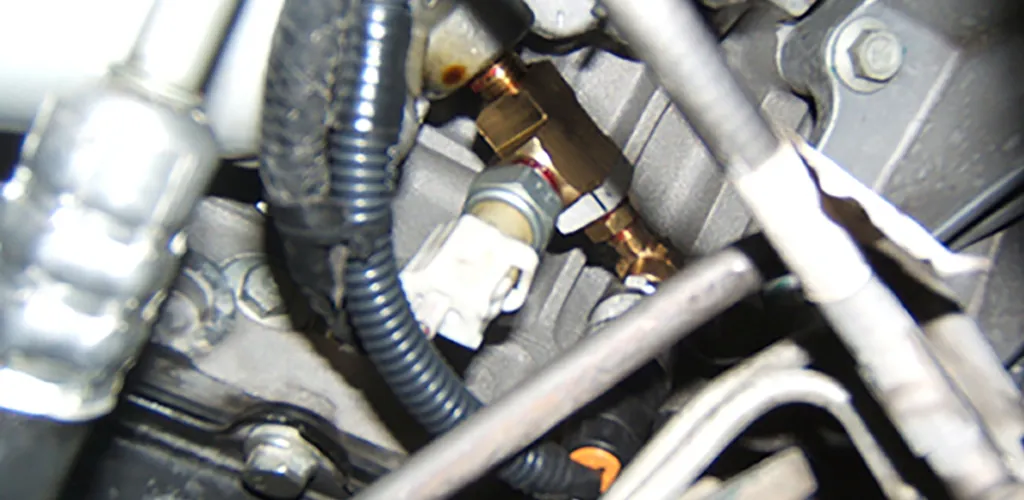
- Oil temperature sensor uses an NTC thermistor to feed the ECU.
- Oil runs hotter than coolant, typically 10-20°C higher.
- ECU uses oil temperature to optimize injection, protection, cooling, and maps.
- Exceeding 140-145°C degrades lubrication; high-performance engines use oil coolers.
Engine oil temperature sensor is a critical component in the electronic architecture of modern vehicles, responsible for real-time monitoring of engine oil temperature and transmitting this information to the Engine Control Unit (ECU). This seemingly simple component plays a vital role in preventing engine overheating and in optimizing protection strategies of the lubrication system.
Oil temperature is a critical variable for healthy engine operation, directly linked to the longevity of internal components and the overall performance of the powertrain. Under normal operating conditions, engine oil runs at only a few degrees higher than coolant, which has the optimal operating temperature between 85 and 100 °C.
Principles of sensor operation
The engine oil temperature sensor works on the principle of thermoresistance, typically a negative temperature coefficient (NTC) thermistor. The sensor resistance decreases as temperature rises, allowing the ECU to calculate the exact temperature from the measured resistance value.
Importance of continuous monitoring
Under normal conditions, the coolant temperature remains stable thanks to automatic activation of the cooling fan when the temperature tends to exceed the preset limit. The presence of the expansion reservoir and the closed-circuit cooling system minimizes the chances that the coolant reaches boiling point.
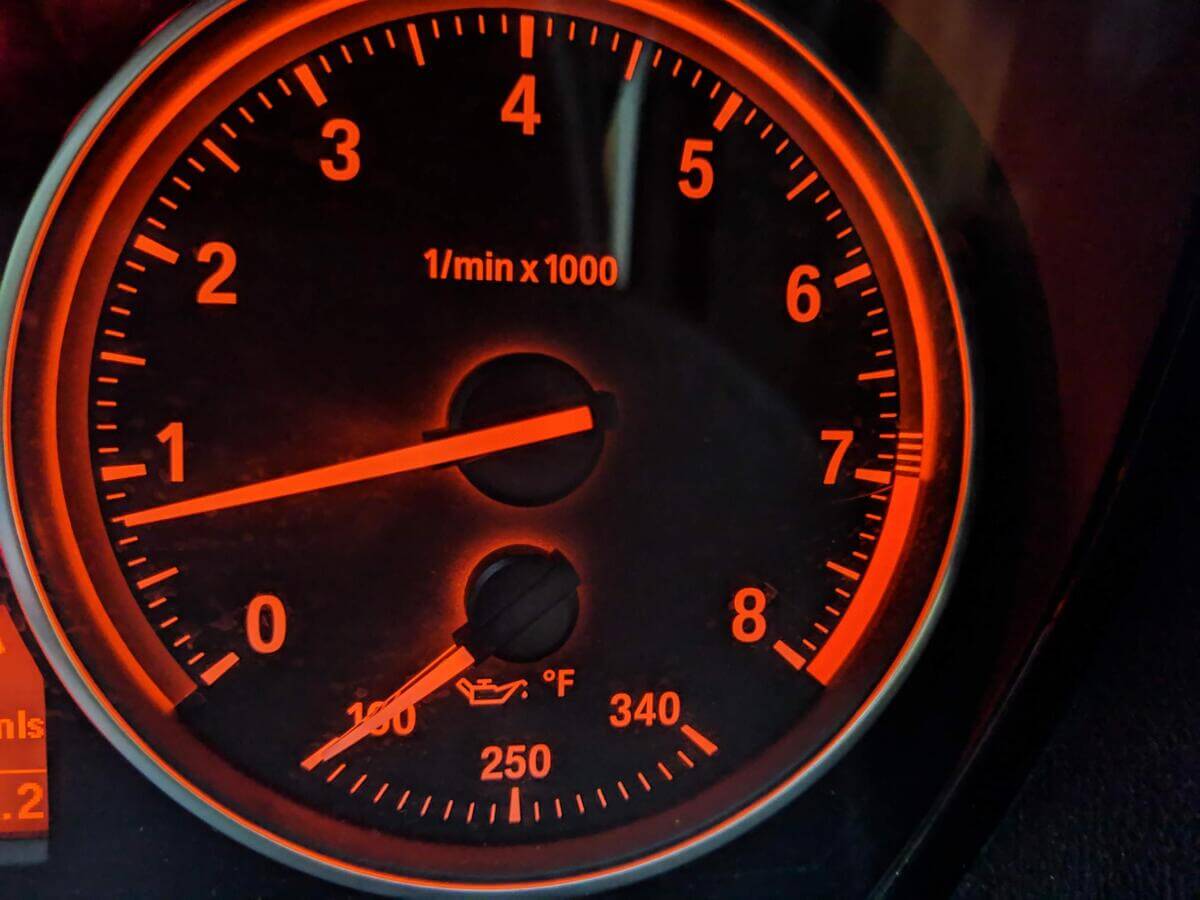
Oil temperature can reach values 10-20 °C higher than coolant temperature. This phenomenon is due to the direct contact of the oil with moving internal engine components, absorbing heat generated by friction, especially when the engine runs at high RPM or when using lower-quality oil.
Integration with engine management systems
The sensor continuously reads the oil temperature and transmits this information to the ECU. The data are essential for:
- Optimizing injection strategies – adjusting injection timing based on oil viscosity
- Engine protection – activating protection measures at high temperatures
- Control of auxiliary systems – managing the oil cooling fan
- Adaptation of operating maps – modifying engine parameters according to operating temperature
Consequences of excessive oil temperature
Critical temperature thresholds
When the oil temperature exceeds 140-145 °C, irreversible degradation phenomena occur. At these temperatures, oil loses lubrication properties due to coking (thermal polymerization), resulting in:
- Drastic increase in viscosity
- Formation of deposits on engine components
- Loss of lubricating capability
- Engine seizure due to piston scuffing
Auxiliary cooling systems
In high-performance engines, an oil cooler radiator is installed, through which engine oil circulates and is cooled by ambient air. This auxiliary system becomes essential for:

- Overboosted engines (turbo/supercharged)
- Sports cars with intensive use
- Commercial applications with continuous operation
- Extreme climatic conditions
Impact on engine durability
Precise measurement of the oil temperature is crucial in the development phase, as any deviation, however small, translates to:
- Premature wear of bearings
- Deterioration of piston rings
- Piston seizure in cylinders
- Damage to the oil pump
- Degradation of gaskets and seals
Diagnostics of a defective sensor
Visual indicators on the dashboard
The most evident symptom of a faulty oil temperature sensor is abnormal behavior of the temperature gauge:
- Uncontrolled fluctuations of the temperature display
- Extreme values (very high or very low)
- Complete absence of the temperature display
- Intermittent warning lights illumination
Dangerous scenarios and consequences
A defective sensor can create critical situations leading to engine damage:
Scenario 1: Underreporting temperature When the sensor reports 80-90 °C while the actual temperature is 120 °C, the engine can overheat without warning, leading to seizure in just a few minutes.

Scenario 2: Interaction with oil leaks In the presence of oil leaks and a faulty sensor, the engine can be damaged within a few kilometers without the driver being warned.

Cascading damage mechanism
When the oil pump cannot operate at optimal parameters due to oil shortage:
- Oil flow drops below critical values
- Friction forces between components rise dramatically
- Lubrication film becomes insufficient or disappears
- Heat generated by friction increases exponentially
- Pistons expand until seizure and engine stalling
Effect on the cooling system
Oil overheating also affects the coolant, which will exceed its optimum operating temperature. The cooling system is designed to work in tandem with the engine oil, and thermal imbalance can lead to:
- Boiling of the coolant
- Head gasket damage
- Cracking of the cylinder head or engine block
- Damage to radiators
Advanced technical diagnostics
Electrical circuit faults
Even if the sensor regulator functions correctly, the signal sent to the ECU can be distorted due to:
- Excessive resistance in the electrical circuit
- Short circuits between wires
- Connector corrosion
- Breaks in the sensor wiring
- Electromagnetic interference
Critical measurement parameters
Voltage is the most important parameter in the sensor circuit, followed by internal resistance. Normal values vary with the measured temperature:
- At 20°C: 2000-3000 Ω
- At 80°C: 500-800 Ω
- At 100°C: 200-400 Ω
Professional diagnostic equipment
For complete sensor diagnosis, technicians use:
Digital multimeter
- Measuring resistance at different temperatures
- Checking circuit continuity
- Testing supply voltage
OBD2 scanner
- Reading error codes
- Real-time parameter monitoring
- Active sensor testing
Infrared thermometer
- Checking actual oil temperature
- Comparing with sensor readings
- Thermal mapping of the engine
Automotive oscilloscope
- Analyzing signal waveform
- Detecting interference
- Assessing response time
Specific fault codes and their interpretation
The OBD2 diagnostic system generates codes specific to oil temperature sensor faults:
Primary fault codes
P0196 - Engine oil temperature sensor circuit
- General problem in the sensor circuit
- Possible causes: faulty sensor, broken wiring, ECU issues
P0197 - Low signal from engine oil temperature sensor
- Signal is below the minimum acceptable threshold
- Possible causes: short to ground, damaged sensor
P0198 - High signal from engine oil temperature sensor
- Signal exceeds the maximum threshold
- Potential causes: open circuit, short to positive
Troubleshooting strategies
Each code provides a specific investigative direction:
- Visual inspection of wiring and connectors
- Measuring the sensor resistance
- Testing the supply voltage
- Checking the ground of the circuit
- Replacing the sensor if other tests are normal
Replacement and maintenance procedures
Sensor location
Common locations for the engine oil temperature sensor:
- In the oil pan (the most common location)
- On the return line from the cylinder head
- In the oil cooler radiator (on vehicles equipped with it)
- On the oil filter (in some models)
Steps for replacement
- Warm up the engine to its operating temperature
- Turn off the engine and allow cooling
- Disconnect the battery for safety
- Locate and disconnect the electrical connector
- Remove the sensor with the appropriate wrench
- Clean the threads and apply thermal conductive paste
- Install the new sensor with the specified tightening torque
- Reconnect the electrical circuit
- Test operation and clear the error codes
Preventive maintenance recommendations
For optimal long-term operation:
- Periodic checks during regular service
- Preventive replacement at 100,000-150,000 km
- Constant monitoring of temperature indicators
- Use manufacturer-recommended oil
- Avoid extreme operating conditions until fully warmed up
Costs and economic considerations
The cost of replacing an oil temperature sensor ranges between 50-200 RON for the part, plus 100-300 RON for labor, depending on sensor accessibility and vehicle complexity. The investment is minimal compared to the cost of repairing an engine damaged by overheating.
Photo source: e90posts.com, youtube.com