- P0037 flags low voltage in downstream oxygen sensor heater circuit (Cylinder 1, Sensor 2).
- Sensor downstream after catalytic converter; affects fuel economy and engine performance.
- Symptoms include rough idle, increased fuel use, check engine light.
- Common causes: faulty sensor, wiring, connectors, electrical/PCM issues.
The OBD2 code P0037 indicates a fault in the heater circuit of the oxygen sensor located on Cylinder 1, Sensor 2 (downstream). This fault signals a voltage level that is too low in the oxygen sensor heater circuit, which is positioned after the catalytic converter. The oxygen sensor is one of the key components of the engine management system, responsible for monitoring the air-fuel mixture and optimizing emissions. When issues occur in the heater circuit, engine performance and fuel efficiency are significantly affected.
What P0037 means
This code refers specifically to:
- B1 - Cylinder 1 (or Bank 1 on V6/V8 engines)
- S2 - Sensor 2, located downstream of the catalytic converter
- Heater circuit - The electrical system dedicated to heating the oxygen sensor
The PCM detects that the heater circuit voltage is out of normal range, storing the fault code and illuminating the malfunction indicator light on the instrument cluster.
Technical parameters for fault detection
The diagnostic system uses the following parameters to detect the fault:
- Normal resistance: 8 ohms (universal standard for this circuit)
- Acceptable tolerance: ±10% of the nominal value
- Supply voltage: Between 12.6V and 13.8V (vehicle battery voltage)
- Detection time: If the signal remains constant for more than 8 seconds in closed-loop mode
Any deviation outside these parameters causes the PCM to store the P0037 code and illuminate the check engine light.
Symptoms of P0037
When this error occurs, drivers may notice the following symptoms:
- Unstable engine operation - rough idle or delayed acceleration
- Increased fuel consumption - reduced efficiency due to a non-optimized mixture
- Black exhaust smoke - indicating a rich fuel mixture
- Check Engine light illuminated on the dashboard
- Emissions test performance may be compromised due to higher emissions
Main causes of P0037
The fault can have multiple sources, from electronic components to mechanical issues:
Electrical issues
- Faulty or damaged oxygen sensor
- Corroded or loose electrical connectors
- Damaged or broken wiring
- Short circuit in the sensor circuit
- Blown fuses in the power supply
System issues
- Incorrect fuel pressure (too low or too high)
- Faulty PCM (less common)
- Issues in the power supply system
External factors
- Sensor contamination with silicon residues
- Exposure to extreme temperatures
- Normal wear due to high mileage
Common misdiagnosis
Many repair shops make the mistake of automatically replacing oxygen sensors when engine problems arise. This approach can lead to:
- Unnecessary replacements - when the issue is actually wiring or connectors
- Incomplete diagnosis - neglecting other possible causes
- Additional costs for the client without solving the real problem
- Reoccurrence of the fault if the true cause is not identified
Diagnostic process for P0037
Operating principles
For accurate diagnostics, it is essential to understand how the system works:
- Ideal air-fuel mixture: 14.7:1 (air to fuel) for optimal combustion
- Role of the PCM: Controls fuel delivery, ignition timing, and injector pulses
- Heated oxygen sensor: Measures oxygen levels in exhaust gases
- Heater circuit: Enables the sensor to become operational quickly, reducing emissions
Necessary equipment
For professional diagnostics you will need:
- OBD-II scanner or code reader
- Digital multimeter for voltage and resistance measurements
- Manufacturer service manual
- Tools to remove the sensor if necessary
Diagnostic steps
1. Initial visual inspection
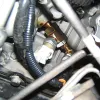
- Check all wiring and connectors for visible damage
- Look for signs of corrosion, breaks, or short circuits
- Inspect fuses in the power supply
- Repair obvious problems before continuing
2. Scanning and recording codes
- Connect the scanner to the diagnostic port
- Record all stored codes for reference
- Clear the codes and restart the engine
- Observe whether P0037 reappears immediately
3. Real-world testing
- If the code does not reappear immediately, it may be intermittent
- Perform a test drive to reproduce the conditions
- Monitor real-time parameters with the scanner
4. Physical inspection of the sensor
- Remove the sensor if accessible
- Check for residue or discoloration
- Look for contamination by silicon or other substances
- Assess the overall physical condition of the component
5. Electrical measurements
- Test the heater circuit resistance (should be ~8 ohms)
- Check the supply voltage (12.6-13.8V)
- Check circuit continuity
- Measure the sensor signal in operation
6. Real-time data analysis
- The sensor should fluctuate between 100-900 millivolts
- The fluctuations should be stable after the engine warms up
- The PCM should be in closed-loop mode
- The response should be quick to air-fuel changes
Continuity and resistance tests
When wiring issues are suspected:
- Disconnect all system connectors, including the PCM
- Perform continuity tests on all circuits
- Measure resistance according to the manufacturer’s specifications
- Compare results with manual values
PCM testing
If all other components are in good condition:
- Check voltage on individual circuits (power and ground)
- Use the voltage drop method to assess power delivery quality
- Measured voltages should be close to the battery voltage when the engine is running
- PCM failure is rare but may require reprogramming after replacement
Solutions and repairs
Once the cause is identified, proceed with repairs:
For wiring issues:
- Replace damaged sections of wiring
- Clean and protect connectors against corrosion
- Use high-quality materials for permanent repairs
For faulty sensors:
- Replace the sensor with an OEM part or a quality equivalent
- Adhere to the manufacturer’s specified torque
- Apply anti-seize compound to the sensor threads
For system issues:
- Check and correct fuel pressure
- Test and replace the PCM if necessary
- Ensure all software updates are installed
Final verification:
- Clear all fault codes
- Perform a test drive to confirm the repair
- Monitor parameters to ensure the system operates correctly
The P0037 code can be resolved efficiently with a systematic approach and the right tools. The key to success is accurately diagnosing the real cause, not merely replacing the oxygen sensor.