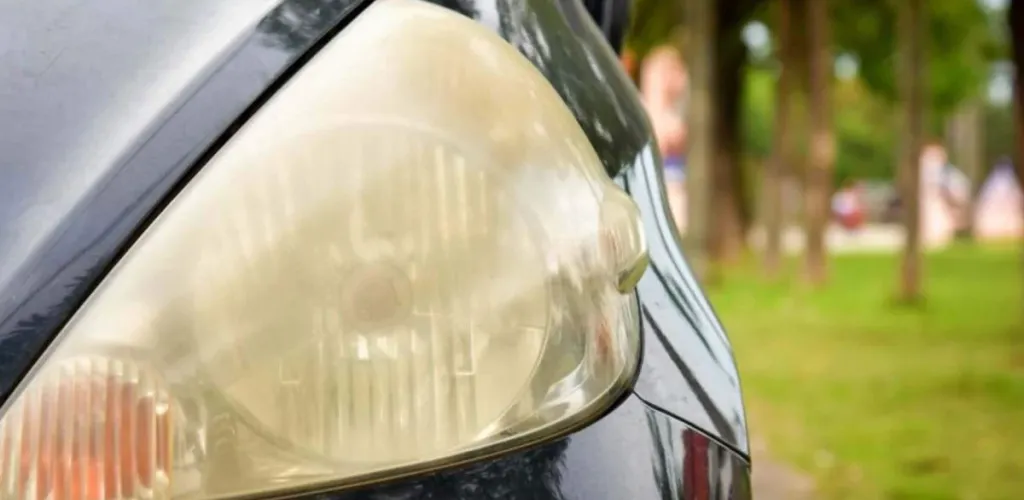
- Polycarbonate headlights oxidize under UV, causing yellowing, haziness, and dimmer light
- Outdoor parking, extreme weather, dust, and pollution accelerate oxidation
- Protective films (liquid or transparent) block UV and prevent oxidation
- Headlight restoration is available for already yellowed lenses
Yellowing and aging of headlights have become common issues on modern cars, affecting both the vehicle’s aesthetics and road safety. This phenomenon appears more often than expected—even on relatively new models. The oxidation process can begin early in a car’s life, and plastic headlights are particularly vulnerable to this type of deterioration.
In this comprehensive guide, we will explore the causes of yellowing, effective prevention methods, and available restoration options. Whether you own a new or older car, these insights will help you keep your headlights in optimal condition for years to come.
Why do car headlights turn yellow
The oxidation process - main cause
Modern headlights are predominantly made of polycarbonate, a plastic material that offers significant advantages over traditional glass. Auto manufacturers prefer this material because it is cheaper to produce, lighter, and more impact resistant. However, plastic has one major drawback - it is susceptible to oxidation.
When the car is frequently exposed to ultraviolet radiation from the sun, the protective layer factory-applied over the headlights begins to degrade gradually. This process leads to:
- Yellowing of the surface
- Haz y or milky appearance
- Reduction in emitted light intensity
- Deteriorated night-time visibility
Factors that accelerate the process
Discoloration can start within the first 3 years of the car’s life, especially under the following conditions:
- Prolonged sun exposure - cars parked outdoors are most affected
- Extreme weather conditions - high temperatures and thermal cycling
- Dust and fine particles - road sand continually scratches the surface
- Urban pollution - air chemicals accelerate oxidation
- Lack of regular maintenance - neglecting cleaning and protection of headlights
How to prevent headlight yellowing
Protection with specialized films
The most effective long-term prevention method involves applying an extra protective layer over the factory coating. These are the main options:
Liquid protection solutions
Products such as Lamin-x headlight protection offer additional protection at an affordable cost. These solutions create a transparent layer that:
- Blocks UV radiation
- Prevents polycarbonate oxidation
- Easy to apply at home
- Costs less than 100 lei per set
Transparent protective films
Wrappings of headlights with specialized transparent film are a popular and effective solution:
- Cost around 200 lei for any car
- Replaced every 3-4 years for continuous protection
- Excellent protection against scratches
- Keeps optical clarity of headlights
Regular preventive maintenance
In addition to film protection, regular maintenance is essential:
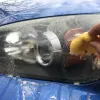
- Wash headlights with water and neutral pH detergent weekly
- Apply protective wax or a headlight-specific sealant monthly
- Avoid washing with direct high-pressure on headlights
- Park the car in the shade whenever possible
Headlight restoration - what you need to know
Professional methods
If your headlights already show signs of yellowing, there are professional restoration options:
Restoration services
Many auto repair shops offer headlight restoration services that include:
- Sanding with abrasive paper in several steps
- Polishing with a special paste
- Applying a UV protective layer
- Cost varies between 150-400 lei per headlight
Limitations of restoration
It is important to understand that restoration is not a permanent solution:
- Headlights will haze again after a period
- Without subsequent protection, the oxidation process will continue
- For heavily affected headlights, replacement may be more economical
- The emitted light may permanently lose intensity if oxidation has penetrated deeply
DIY methods - temporary solutions
If you are handy with cars, you can try home restoration methods:
Toothpaste
- Apply white toothpaste to a damp sponge
- Rub in circular motions on the headlight surface
- Rinse with cold water
- Temporary results, last a few weeks
Baking soda
- Mix baking soda with water to a paste-like consistency
- Apply with circular motions
- Let sit for 5 minutes
- Rinse thoroughly
These home remedies temporarily restore the headlights’ shine but do not provide long-term protection and do not address deep oxidation.
Glass headlights vs. plastic headlights
Advantages of plastic
Modern plastic headlights have largely replaced glass ones due to several advantages:
- Impact resistance - they crack or scratch, but rarely shatter completely
- Lower production cost
- Lighter weight
- Complex aerodynamic shapes possible
- Easier integration of LED technologies
Nostalgia for glass headlights
Glass headlights, found on older cars, had their own advantages:
- Resistance to oxidation over time
- Constant optical clarity
- Excellent UV resistance
- Classic look that stays timeless
However, their vulnerability to breaking upon impact—even minor—led to the transition to plastic.
When replacement of headlights is worthwhile
Ultimately, if the headlights are extremely deteriorated, full replacement may be the optimal solution:
Signals that you need new headlights:
- Deep oxidation that does not respond to restoration
- Cracks or fractures in the polycarbonate
- Significant loss of light intensity
- Moisture inside the headlight
- Restoration cost close to the price of a new headlight
Replacement options:
- Original manufacturer headlights - guaranteed quality, but expensive
- Quality aftermarket headlights - a more affordable alternative
- Used headlights in good condition - the most economical option
Conclusion
Prevention remains the most effective strategy against headlight yellowing. Investing in a protective film or a protective treatment soon after buying the car can save you from costs and headaches later. Even if your headlights already show signs of wear, restoration methods can restore their function and appearance, provided you apply proper protection afterward.
Remember that clear headlights are not just an aesthetic matter — they are essential for your safety and that of other road users. Optimal nighttime visibility can mean the difference between avoiding an accident and being involved in one.