- Parts cost vs labor charges; labor varies by shop and job complexity.
- Cabin air filter replacement improves air quality; do when foggy windows.
- Replace both headlight bulbs at once to prevent failures.
- Save long-term with discounts on consumables and learning basic repairs.
After purchasing a car, which represents a major investment for most people, the second major expense is maintenance and repairs. These costs can be significant in the long term, but there are numerous ways to substantially reduce them without compromising your car’s safety or performance.
Understanding the cost structure at auto service shops is the first step toward smart savings. The price of a repair consists of two main components: parts cost and labor charges. While parts prices are relatively standardized on the market, labor costs vary considerably between workshops and depending on the complexity of the job.
Simple repairs you can do at home
Replacing the cabin air filter
The cabin air filter, also known as the pollen filter, protects the air quality inside the cabin. It is usually replaced at the car service, but certain symptoms indicate the need for more frequent replacement:
- Windows fog excessively
- Unpleasant smells in the cabin
- Reduced efficiency of the climate control system
- Excessive dust presence
Quality filters are available at affordable prices, and replacement generally takes 10-15 minutes. Most are located in the footwell area, near the pedals, or behind the glove box.

Replacing headlight bulbs
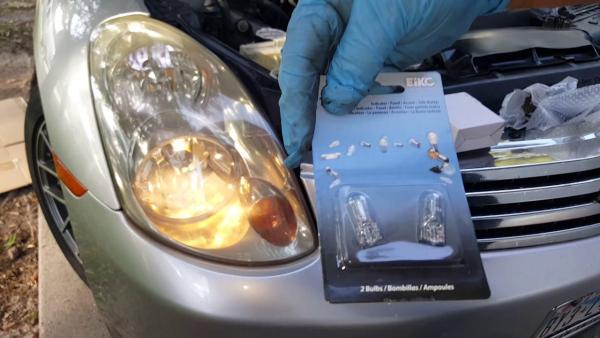
Replacing a burned-out bulb is one of the simplest auto repairs. The standard process involves:
- Disconnecting the battery for safety
- Accessing the bulb compartment from behind the headlight
- Removing the defective bulb
- Identifying the exact type at the parts shop
- Installing the new bulb
A practice recommended by experienced mechanics is replacing both bulbs at the same time. The logic is simple: if one bulb burned out after a certain period of use, the other, having the same age, will likely fail soon.
Engine oil change
An oil change is a fundamental operation for the engine’s longevity. Service shops typically charge 100-150 lei for labor, but with the right equipment you can do this job at home:
Equipment needed:
- Car jack and safety stands
- Drain plug wrench
- Container for used oil
- Oil funnel
- Protective gloves
Main steps:
- Warm up the engine to fluidize the oil
- Lift the car safely
- Drain the old oil through the drain plug in the oil pan
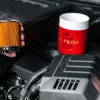
- Change the oil filter
- Add the new oil in the specified amount
Long-term cost-reduction strategies
Planning purchases with discounts
Auto parts stores periodically offer substantial discounts. Monitoring these promotions and purchasing consumables (oil, filters, fluids) in advance can yield savings of 20-30%. Many products have a long shelf life, allowing storage under appropriate conditions.
Progressive repair learning
Start with simple operations and gradually move toward more complex interventions. Each new skill reduces dependence on service centers and the costs associated. The initial investment in tools pays off quickly through the savings realized.
Preventive maintenance
Careful monitoring of the maintenance schedule prevents costly failures. A clogged air filter can lead to engine problems, and neglecting brake fluid changes can compromise safety.
Choosing the right parts
Not all aftermarket parts are inferior to original ones. Many OEM manufacturers also produce parts for the secondary market at lower prices. Research the quality of alternative manufacturers to find the best quality-price ratio.
Saving on car maintenance does not mean compromising safety. By learning basic operations and planning purchases smartly, you can significantly reduce costs without affecting the performance or reliability of your vehicle.