- Spark plugs removed in EVs because no combustion
- Oxygen sensors unnecessary due to electric motor control
- Catalytic converters not needed since no exhaust emissions
- Exhaust systems not needed in EVs
The automotive market has seen a flood of electric vehicles in recent years. They are becoming increasingly popular, and many automakers have begun offering fully electric models. Even so, EVs are not yet as reliable as traditional cars, and it will take some time before they fully replace them.
Electric vehicles offer numerous advantages over gasoline cars. They are cheaper to operate and maintain, do not emit pollutants, and are much more efficient. While both serve the same purpose, their design and function differ substantially. For example, several essential auto parts are critical for internal combustion engine (ICE) vehicles, but you won’t find them on an electric vehicle.
How Electric Vehicles Work
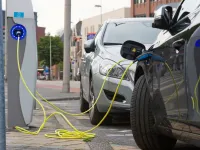
An electric vehicle runs on electricity instead of fossil fuel. By plugging into a charging point, which can be a home outlet, they draw power from solar energy or the national grid and store it in rechargeable batteries.
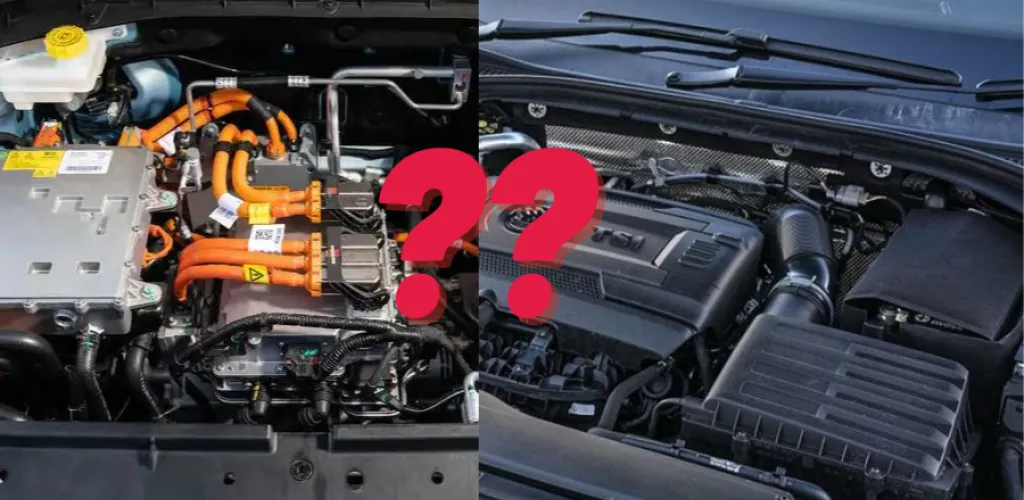
The stored electricity then powers an electric motor, which in turn rotates the wheels. The basic functions of an electric vehicle are the same as those of a fuel-powered car. However, there are a few essential differences that make certain components unnecessary.
Automotive parts missing from electric vehicles
The absence of these components does not imply any problem; it simply reflects that those parts are not needed in electric vehicles.
1. Spark plugs
Spark plugs play an important role in gasoline vehicles. They ignite the fuel-air mixture in the cylinders, initiating the combustion process that powers the car.
Why they don’t exist in EVs:

- Electric cars do not use fuel to power their motors
- Instead, they use battery energy to run the electric motors
- The electric motor spins as soon as it receives electric current, without the need for ignition
2. Oxygen sensors
In fuel-powered cars, oxygen sensors monitor and regulate the air–fuel ratio within the internal combustion engine. This information is then used by the engine control unit (ECU) to regulate fuel injection and ignition timing.
Why they’re absent in EVs:
- There is no combustion process requiring monitoring of the air–fuel ratio
- In an electric car, stepping on the accelerator directly controls the power delivered to the electric motor
- The classic ECU is absent, being replaced by a motor controller for the electric motor
3. Catalytic converters
The catalytic converter is a key component of all fuel-powered cars. It is part of the vehicle’s exhaust system and functions to transform harmful pollutants into less harmful emissions before they exit the vehicle.
The component converts:

- Carbon monoxide (CO) into carbon dioxide (CO₂)
- Unburned hydrocarbons into carbon dioxide and water
- Nitrogen oxides (NOx) into nitrogen and oxygen
Why they’re not needed in EVs:
- Electric cars do not use fossil fuels
- They do not produce exhaust emissions
- The only emission comes from electricity production (at the grid level)
4. Exhaust system
The exhaust system of a gasoline car includes the exhaust pipe, muffler, and catalytic converter. Noise dampers are devices that reduce the level of noise produced by the engine.
Functions of the exhaust system:
- Venting exhaust gases from combustion
- Reducing engine noise
- Filtering pollutants via the catalytic converter
Why they’re absent in EVs:
- There are no combustion exhaust gases to vent
- Electric motors operate almost silently
- The main noise comes from tire roll and aerodynamics
The advantages of the simplicity of electric vehicles
This difference in complexity brings several benefits:
- Lower maintenance: No oil changes, spark plugs, air filters, or other consumables
- Increased reliability: Fewer moving parts means fewer chances of failure
- Lower operating costs: Electricity is cheaper than fuel
- Instant performance: Maximum torque is available immediately
The future of electric mobility
Technically, the simplicity of electric vehicles represents a major advantage. The electric motor has only one main moving part (the rotor), compared with hundreds of moving parts in an internal combustion engine.
As battery technology and charging infrastructure progress, electric vehicles are likely to become more popular and affordable. For those considering purchasing a new car, understanding these technical differences can help in making an informed decision.