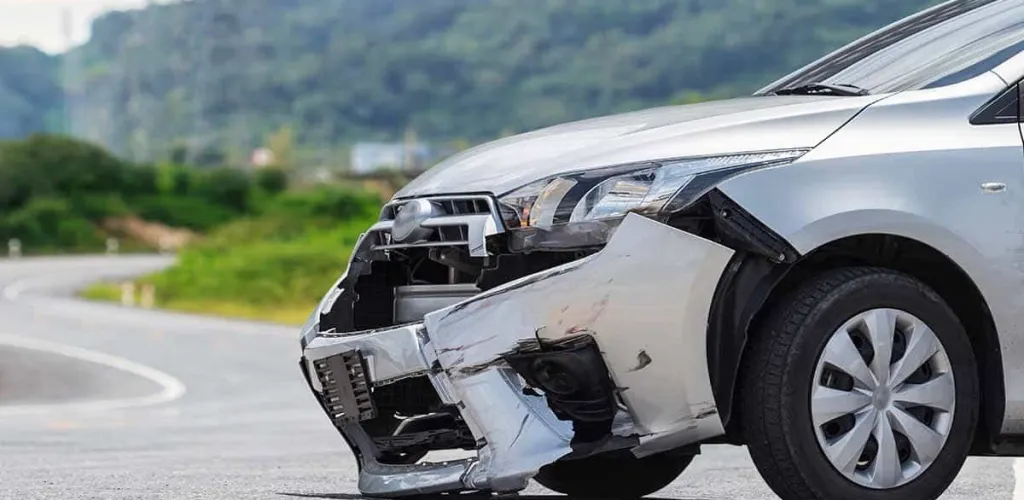
- Front and rear bumpers are most frequently damaged, absorbing impacts and protecting the vehicle.
- Fenders are distinct from bumpers; thin sheet metal prone to bending in side/frontal impacts.
- Lighting systems: headlights and taillights are plastic and crack easily, requiring swift replacement.
Road accidents happen daily on Romania’s roads, despite the precautions taken by drivers. Even the most careful operator can become a victim of other participants’ inattention. Statistics show that Romania has recorded the smallest decline in traffic fatalities over the last 19 years, with dramatic figures that have surpassed the 3,000 deaths mark in the darkest years.
Knowing the car parts most frequently affected in accidents is essential for any vehicle owner. This information helps you estimate repair costs, understand the priorities in case of damage, and financially prepare for potential expenses.
Why It Is Crucial to Know the Vulnerable Parts
Understanding the auto components most exposed to damage gives you a significant advantage in several situations. First, it allows you to estimate repair costs accurately before consulting a workshop. Second, it helps you prioritize repairs based on the importance of the parts for the vehicle’s safety and functionality.
Accidents vary in intensity — some affect only the car’s aesthetics, while others can cause severe damage to vital engine components and safety systems. Knowing these vulnerabilities prepares you for any scenario.
The Bumpers — The First Line of Defense
The front and rear bumpers occupy the top of the list of the most frequently damaged parts in accidents. This should not surprise anyone, given that these components are designed specifically to absorb impact and protect the vehicle’s main structure.
Modern bumpers are equipped with impact-absorption systems and controlled deformation zones. When the bumper cracks or is damaged, timely replacement becomes crucial, because it represents an essential protective measure in any subsequent accident.
Safety tip: Maintaining a substantial safety distance from the vehicle in front is the most effective method of protecting bumpers.
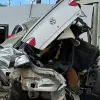
The Fenders — Distinct and Vulnerable Components
Many drivers confuse the fenders with the bumper, but they are completely distinct components. Fenders are part of the vehicle’s body and their role is to enclose the wheels, protecting pedestrians and other road users from mud, dirt, or stones thrown by the wheels.
These parts are made from thin sheet metal to keep the vehicle’s weight at an optimal level, which makes them vulnerable to bending or damage from side or frontal impacts. Repairing fenders often requires specialized bodywork techniques to restore the original shape and functionality.
Lighting Systems — Delicate and Vital Components
The Headlights and Taillights
Headlights and taillights are predominantly made of plastics, which makes them highly susceptible to cracking after an impact. Damage to these components not only affects the vehicle’s appearance but also road safety.
Rapid replacement of damaged headlights is mandatory not only to avoid fines but also for your safety and that of other road users. Modern headlights incorporate LED or Xenon technologies, which can make their replacement more expensive than traditional systems.

Important Technical Considerations
Modern headlights are integrated into the vehicle’s electronic systems and may require reprogramming after replacement. Some models have automatic leveling sensors or cleaning systems, which adds complexity to the replacement process.
The Body Elements — The Hood and Trunk

The hood and trunk often suffer severe damage in frontal and rear-end crashes. Deformations of these components can be so pronounced that repair becomes impossible, requiring complete replacement.
Replacing these parts is mandatory for safety reasons — a damaged hood can open while driving, obstructing visibility and causing serious accidents. Deformed trunks can have compromised locking systems, affecting the security of transported goods.
Technical Aspects to Consider
- Modern hoods may include assisted lifting systems
- Trunks may have electronic opening systems
- Both components can integrate sensors for safety systems
The Cooling Grille — A Vital Component for Cooling
The cooling grille allows the airflow necessary to cool the engine and ensure the efficient operation of auxiliary systems. In frontal crashes, the grille is among the first components damaged due to its exposed position.
Adequate airflow is vital for:
- Maintaining the engine’s optimal temperature
- The operation of the air conditioning system
- Cooling the radiator and intercooler (on turbo engines)
- Venting electronic systems
Repairing or replacing the grille should be done quickly to avoid engine overheating and costly damage to the cooling system.
Glass Elements — Vulnerabilities and Solutions
The Windshield and Side Windows
Damage to the windshield and other glass is extremely common in accidents. Even minor impacts, such as stones kicked up by other vehicles, can cause cracks that spread rapidly.
Modern windshields are not just barriers but are an integral part of the vehicle’s safety structure. Laminated windshields provide occupant protection in the event of an accident and contribute to the structural rigidity of the cabin.
Replacement Considerations
- Windshields with rain sensors require calibration after replacement
- Vehicles with ADAS systems may require recalibration of cameras
- Thermally insulated glass has special characteristics that affect price
The Doors — Complex Barriers to Protection
During side impacts, doors are among the most severely affected components. Auto manufacturers invest heavily in door design to ensure maximum passenger protection in the event of a side impact.
Modern doors incorporate:
- High-strength steel side-impact beams
- Impact-absorption systems
- Integrated side airbags
- Electronic locking and control systems
Repair vs. Replacement
Repairing a damaged door is a complex operation that requires specialized equipment and advanced technical expertise. In many cases, complete replacement is the recommended solution to ensure structural integrity and proper functioning of safety systems.
The Inertia Switch — The Unknown Safety System
Operation and Importance
Not all vehicles are equipped with an inertia switch for the fuel pump, yet this safety component can be crucial in preventing post-accident fires. The system detects impacts and automatically stops fuel supply.
Technical Characteristics
- Can trigger even with minor vibrations
- Completely stops fuel supply
- Requires manual reset after triggering
- Position and reset procedure vary by manufacturer
Reset Procedure
If the switch triggers, the vehicle will be impossible to start or move. Consulting the manufacturer’s manual is essential to identify the switch location and the reset procedure specific to your model.
Recommendations for Minimizing Risks
To reduce the likelihood of damage to these components in accidents:
- Keep a Safe Distance — the most effective protection
- Drive Defensively — anticipate the behavior of other drivers
- Regularly Check Technical Condition — components in good condition resist impact better
- Invest in CASCO Insurance — financial protection for costly repairs
- Choose Vehicles with Advanced Safety Systems — modern technologies can prevent many accidents
Conclusion
Knowing the car parts most vulnerable to damage in accidents gives you a realistic perspective on costs and repair priorities. From bumpers and fenders that absorb the initial impact to complex safety systems and electronic components, each part plays a crucial role in protecting occupants and keeping the vehicle functional.
Investing in road safety and defensive driving remains the most effective way to protect your vehicle and human life. In the unfortunate event you face an accident, this knowledge will help you make informed decisions and prioritize repairs based on their importance to safety.