- Regular tire rotation every 10,000 km extends tire life by up to 20–30%.
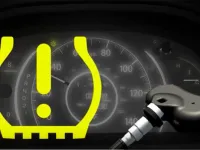
- Check cold tire pressure and follow placard values on the driver’s door.
- Under-/overinflation causes wear, higher fuel use, and unsafe handling.
- Annual wheel alignment helps prevent uneven wear from bumps and potholes.
Investing in a new set of tires is one of the most important decisions for safety and driving comfort. After replacing the worn set that was noisy and compromised braking traction, it is essential to know how to properly maintain your new tires to maximize your investment.
New tires not only improve safety but also offer superior ride comfort. With proper maintenance, they can perform at optimal levels throughout their service life, saving money in the long run and ensuring safety on the road.
Regular tire rotation — the key to even wear
Tire wear is a natural and inevitable process resulting from constant friction with the road surface. Without proper rotation, tires will wear unevenly, significantly shortening their life and compromising safety.
Benefits of regular rotation
Regular tire rotation ensures:
- Uniform wear on all four tires
- Prevention of premature cracks
- Maintaining optimum traction
- Maximizing the investment in new tires
Recommended rotation interval
Most car manufacturers recommend tire rotation every 10,000 km, according to the maintenance schedule. This interval can vary depending on:
- Driving style
- Road conditions
- Vehicle type
- Manufacturer specifications
Strictly following the rotation schedule can extend tire life by up to 20–30%.
Monitoring and adjusting tire pressure
Correct tire pressure is crucial for performance, safety, and durability. This specification is set by the vehicle manufacturer based on several technical factors.
Where to find the recommended pressure
The tire pressure prescribed for your vehicle is listed on a yellow and white placard located on the driver’s door edge. Here you will find values for:
- Pressure for normal tires (front/rear)
- Pressure for full load
- Pressure for the spare wheel
Consequences of incorrect pressure
Low pressure (about 0.3–0.5 bar below normal):
- Accelerated wear on the outer edges
- Fuel consumption increased by 3–5%
- Longer stopping distance
- Instability in corners and in strong winds
- Risk of blowout at high speeds
Overinflation (0.5+ bar above normal):
- Central wear of the tread
- Reduced contact with the road
- Stiffer and less comfortable suspension
- Increased rolling noise
- Risk of damage when hitting potholes
Checking frequency
It is recommended to check tire pressure:
- At each refueling
- Before long trips
- During significant temperature changes
- After long periods of parked inactivity
Important tip: Always check tire pressure when the tires are cold, before starting the engine or after a minimum of 3 hours since last drive.
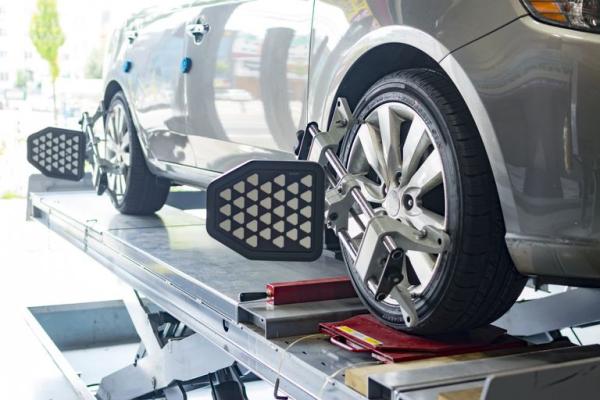
Annual wheel alignment — protection against uneven wear
Even seemingly smooth road surfaces hide imperfections that affect wheel alignment. Speed bumps, potholes, cracks in asphalt, and contact with curbs can disturb the vehicle’s geometry.
Impact of a single hit
A single significant impact with a curb or a large pothole can cause the toe angle to go out of specification. When alignment is defective, tires wear unevenly and rapidly, even if:
- The steering wheel seems straight
- The car doesn’t noticeably pull to one side
- There are no obvious symptoms
Signs of a faulty alignment
Watch for the following indicators:
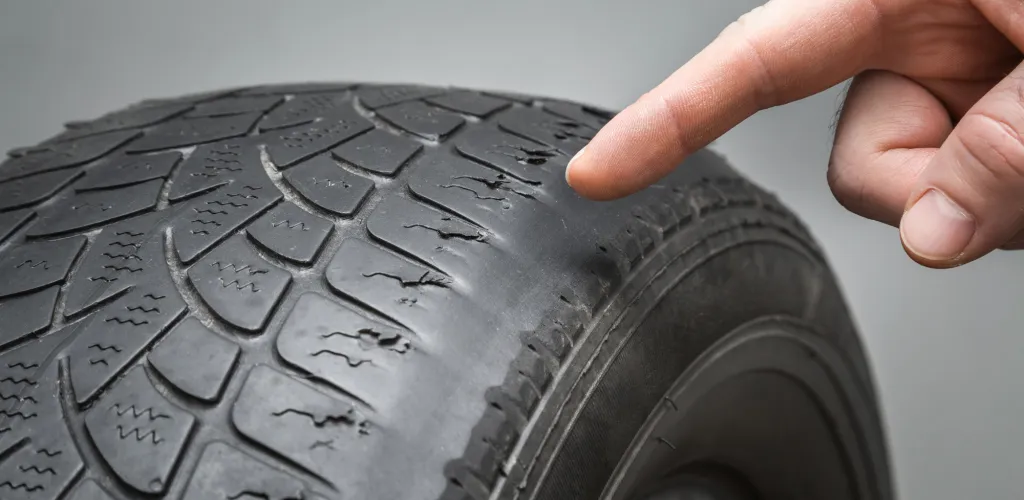
- Uneven tire wear
- Vehicle pulls to one side
- Steering wheel not centered when driving straight
- Steering wheel vibrations at high speeds
- Rapid wear of a single tire
Preventive alignment program
Schedule an annual wheel alignment to counteract the effects of daily driving. This preventive practice:
- Prevents premature wear
- Improves vehicle stability
- Reduces fuel consumption
- Extends tire life by up to 50%
Additional tips for optimal maintenance
Regular visual inspection
Check the tires monthly for:
- Cracks in the sidewalls
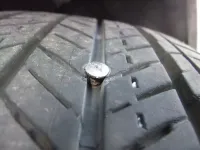
- Foreign objects embedded in the tread
- Uneven wear
- Deformations or bulges
- Tread depth (minimum 1.6 mm legally)
Defensive driving
Adopt a driving style that protects the tires:
- Avoid hard accelerations and braking
- Take corners at moderate speeds
- Avoid parking on curbs
- Maintain a safe following distance
Proper storage
If you rotate seasonal tires:
- Clean them before storage
- Store them in a cool, dry place
- Avoid direct sunlight exposure
- Mark positions for the next rotation
Proper tire care not only prolongs their life but also guarantees safety on the road. If you suspect wear issues or notice changes in vehicle behavior, check the tires as soon as possible and consult a specialist.
Investing in preventive maintenance will pay off many times over through fuel savings, increased safety, and delaying the purchase of a new set of tires.
Photo sources: allstate.com, liveabout.com, goauto.ca