- Mazda leads reliability for a second year, beating Lexus and Toyota per Consumer Reports.
- Buick is a surprising North American reliability standout, with Encore as strongest model.
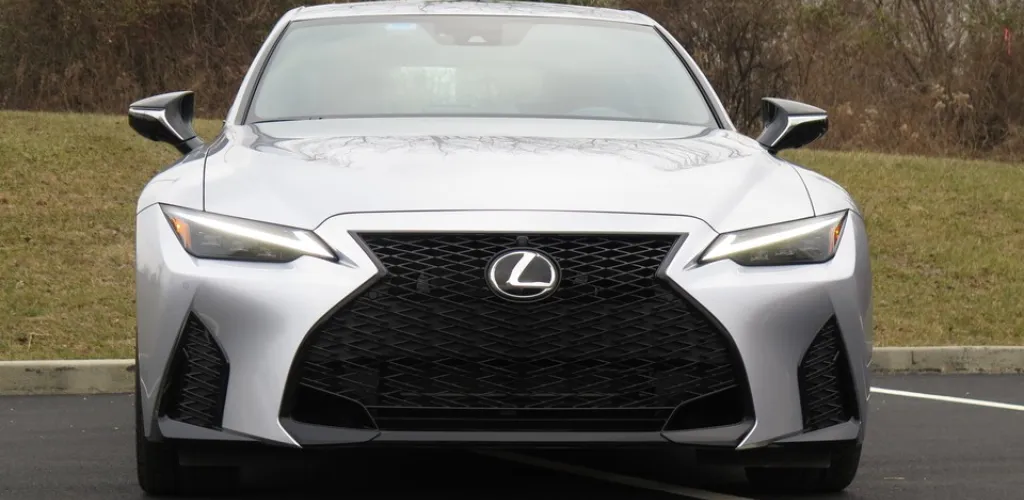
- Lexus remains premium reliability leader, with strong hybrids and ES/RX/GS models.
- Methodology relies on Consumer Reports 2021 models and JD Power dependability studies.
The reliability of a car is one of the most important factors in the purchase decision, influencing maintenance costs and road safety. Unlike aesthetic preferences, which are subjective, reliability is measured by rigorous tests and complex statistical analyses conducted by specialist organizations.
Regardless of the type of vehicle you want - sports car, family SUV or professional pickup - reliability remains essential. A reliable car means lower maintenance costs, less time in the workshop, and, most importantly, increased safety on the road.
Methodology and evaluation sources
Analyses in this article are based on reliability assessments by Consumer Reports for model-year 2021 vehicles and on J.D. Power Vehicle Dependability studies, which analyzed models from the past three years. These organizations use real data from vehicle owners, reported problems, and repair costs to establish reliability rankings.
Mazda - the surprising reliability leader
For the second year in a row, Mazda manages to surpass the Japanese giants Lexus and Toyota in the Consumer Reports ranking, a remarkable feat for a manufacturer of smaller size.
Strengths of the Mazda brand:
- Established models: Mazda MX-5 and Mazda6 continue to be among the favorites of car enthusiasts
- Technical innovations: The new Mazda3 and CX-5 benefit from complete redesigns with significant improvements
- Design philosophy: The entire lineup is appreciated for the balance between style, comfort and driving dynamics
- SkyActiv engines: Optimized combustion technology contributes to increased reliability
Mazda’s steady progression shows that smaller brands can compete successfully by focusing on quality and technical innovation.
Buick - the American surprise
Although relatively unknown in Europe, Buick has established itself as one of the most reliable brands in North America, even surpassing some renowned Japanese brands for reliability.
Distinctive features:
- Encore SUV: The most reliable model in the lineup, despite its age
- Focused lineup: The limited portfolio allows concentration on the quality of each model
- Electronic improvements: Significant progress over past electronic system issues
- Compared with GM: Superior performance to other General Motors divisions
Lexus - the tradition of premium reliability
Although it has slightly slipped in rankings due to some customer complaints, Lexus remains a symbol of reliability in the premium segment.

Lexus technical advantages:
- Reference engines: Both gasoline and hybrid powertrains are considered among the best in the market
- Established models: ES, RX and GS continue to be sought for proven reliability
- Hybrid technology: A pioneer in developing reliable hybrid systems
- Ongoing improvements: The brand works on updates to meet rising customer expectations
Lexus hybrid systems have set the industry standard for long-term reliability, with many vehicles surpassing 300,000 km without major issues.
Porsche - performance and premium reliability
Porsche’s portfolio demonstrates that high performance can coexist with exceptional reliability, a rare combination in the automotive industry.
Top models for reliability:
- 718 and 911: Minimal reported issues in the sports segment
- Panamera and Cayenne: Exemplary reliability for larger vehicles
- German engineering: Attention to detail and rigorous testing reflect long-term reliability
- Value for money: While initial costs are high, reliability justifies the investment
Toyota - the giant in transition
Toyota’s traditional dominance in reliability rankings has been challenged in recent years, the brand dropping to fifth after decades in the top three.
Current situation analysis:
- Core eco models: Corolla, Camry and Prius continue to set reliability standards
- Popular SUVs: Highlander remains a safe choice for families
- Strategy shift: Adoption of a hit-or-miss approach for quicker market launches
- Consequences: Shorter development times have led to some issues addressed later through recalls
Strategic impact:
Toyota’s new approach prioritizes speed to market over exhaustive traditional testing, a change that temporarily affects reliability rankings.

Honda - on the road to recovery
Honda is going through an adjustment period after emblematic models encountered unexpected issues.
Recent challenges:
- Civic and CR-V: First significant problems after years of exemplary reliability
- Engine and transmission problems: Issues largely addressed for 2021 models
- Electronic systems: Still show deficiencies requiring attention
- Acura division: Continues to face reliability issues
Signs of recovery:
Improvements observed in 2021 models indicate that Honda is gradually regaining its reliability reputation, focusing on solving systemic issues.
Factors influencing reliability
Decisive technical aspects:
- System complexity: Vehicles with fewer complex electronic systems tend to be more reliable
- Technology maturity: Engines and transmissions proven over many years show fewer problems
- Quality control: Rigorous pre-launch testing processes are crucial
- Materials used: Component quality directly affects longevity
Buying strategies:
- Avoid the first year of production for completely new models
- Research the problem history for the specific model
- Consider long-term maintenance costs
- Check the availability of spare parts
Conclusion
Vehicle reliability is the result of precise engineering, rigorous testing, and attention to detail in the manufacturing process. While traditional brands like Toyota and Honda recalibrate their strategies, producers like Mazda show that responsible innovation can deliver exceptional results in reliability rankings.
Choosing a reliable vehicle requires careful analysis of statistical data, not just a brand’s historical reputation. Investing in reliability translates to lower long-term costs and peace of mind for the owner.