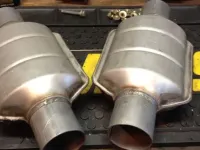
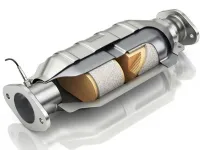
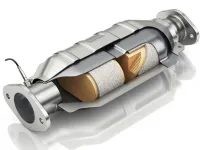
- P0427 means bank 1 catalytic converter efficiency is below normal.
- PCM uses upstream vs downstream O2 sensor data to gauge efficiency.
- Common symptoms include check engine light, reduced performance, and higher fuel use.
- Oxygen sensor problems may accompany it; diagnose sensor codes first.
The OBD2 error code P0427 refers to a specific issue with the bank 1 catalytic converter, indicating reduced efficiency of the exhaust gas purification system. This error occurs when the PCM (Powertrain Control Module) detects that the catalytic converter is not operating within normal parameters for cylinder bank 1.
In this article, you will learn what the code means, how the PCM assesses catalyst efficiency, typical symptoms, common causes, diagnostic steps, and practical repair considerations.
What the P0427 Code Means
The PCM has detected engine efficiency below the normal operating threshold for a given bank of the engine. The module uses the composition of exhaust gases and temperature data from the oxygen sensors to calculate the catalyst’s efficiency. When this level is not detected accurately, an error code is stored and the service engine light is illuminated on the dashboard.
Bank 1 indicates that the catalytic converter issue is located on bank 1, where cylinder 1 is usually found. For the exact location of cylinder 1, refer to the manufacturer’s service manual.
How the Code Parameters Are Set
The PCM uses input data from the upstream and downstream sensors to calculate the efficiency of the catalytic converter in each converter. Upstream oxygen sensor readings tend to fluctuate with changes in fuel mixture conditions. Downstream sensors tend to remain more stable than upstream sensors. When the sensor readings are too similar, the PCM records P0427 and lights the service engine light on the dashboard.
Symptoms of the OBD2 P0427 Error Code
Symptoms can vary significantly, ranging from simple dashboard indicators to severe performance issues:
Common Symptoms:
- Check Engine Light on
- Reduced engine performance
- Increased fuel consumption
- Unusual exhaust noise during acceleration
- In extreme cases, the engine may not start
Severe Symptoms:
If the catalytic converter is severely damaged or internal components have melted, you may observe:
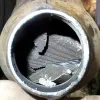
- General lack of engine performance
- Loud noise during acceleration
- Engine may not start
Common Causes of the P0427 Code
Primary Cause:
The most common cause of this code is a defective catalytic converter. Although designed to last a long time, its failure is usually linked to other factors.
Contributing Factors:
- Defective coolant temperature sensor
- Defective mass air flow sensor
- Defective intake air pressure sensor
- Defective fuel pressure regulator
- Defective fuel pump
- Retarded ignition timing
- Oil contamination
- Leaks in the exhaust system upstream of the catalytic converter
Issues with Oxygen Sensors:
Oxygen sensor problems can also occur, but they will typically accompany the catalytic converter error code. It is essential to diagnose and repair oxygen sensor codes before diagnosing catalytic converter codes.
Common Diagnostic Mistakes
Common Diagnostic Errors:
- Misunderstanding the root causes that led to the catalytic converter failure
- Replacing the catalytic converter repeatedly without fixing underlying issues
- Incorrectly replacing oxygen sensors to avoid the cost of replacing the catalytic converter
Technicians report that repeated catalytic converter failure often occurs when other engine codes are present and left unrepaired for long periods. Some engine faults are known to cause deterioration of the platinum element inside the converter.
The P0427 Diagnostic Process
Understanding How the Catalytic Converter Works
The catalytic converter is used exclusively to reduce exhaust gas emissions in internal combustion engines. The catalytic converter is an inline device that resembles an exhaust pipe, though internally it differs considerably.
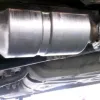
Important characteristics:
- Operating temperature: 260-420 degrees Celsius
- Contains woven fibers with a high platinum concentration
- Becomes much hotter than a normal exhaust when the engine runs
Diagnostic Steps
1. Warranty Check
Before starting the diagnostic, verify whether the catalytic converter is still under warranty. Catalytic converters typically have a warranty of roughly 160,000 km, regardless of the car model.
2. Inspect the Exhaust System
If leaks are detected before the catalytic converter, repair them as needed, reset the code, and retest the system.
3. Tools Needed
For successful diagnosis of this code, you will need:
- OBD2 scanner
- Digital voltmeter/ ohmmeter
- Temperature measurement tool (preferably a laser thermometer)
4. Visual Inspection
Begin with a visual inspection of all wiring and connectors. Repair or replace damaged, disconnected, shorted, or corroded wiring, connectors, and components.
5. Scan Codes
Connect the scanner to the diagnostic port and record all stored codes. This information can be extremely useful in diagnosing intermittent conditions.
6. Temperature Testing
Raise the vehicle and use the temperature measurement tool on the exhaust pipes before and after the catalytic converter. Compare the results to the manufacturer’s specifications.
7. Monitoring Oxygen Sensors
Use a scanner and an oscilloscope to monitor the upstream and downstream oxygen sensors:
Normal behavior:
- Upstream sensor: rapidly fluctuates from lean to rich (roughly 0.350 to 0.900 volts)
- Downstream sensor: reads around mid-range (0.500 volts) and remains stable
Signs of a problem:
- If the downstream sensor oscillates as much as the upstream sensor, the catalytic converter is likely defective
- If both sensors show slow response or do not react to changes in engine conditions, they are likely faulty
Important Considerations for Repair
Repair Priority
Remember to fix all error codes before diagnosing the catalytic converter code. Many catalytic converter issues are caused by other engine faults that must be corrected first.
Intermittent Conditions
If the code does not return immediately after clearing, you may have an intermittent condition. These can be challenging to diagnose and, in extreme cases, can worsen the situation before a correct diagnosis is made.
Safety Measures
The catalytic converter can reach very high temperatures, turning red and posing a serious fire risk if flammable liquids come into contact with it. Delayed ignition timing and engine misfires can cause the converter temperature to rise to dangerous levels.