- Sensors continuously feed the ECU to optimize performance and reduce emissions
- O2 sensors (front and post-cat) monitor exhaust, guiding fuel mixture adjustments
- MAP sensor measures intake manifold pressure to adjust spark timing for efficiency
- Faults require professional replacement to reset ECU codes and calibrate systems
Modern vehicles have transformed into complex engineering systems where automotive sensors play a fundamental role in optimizing performance and reducing harmful emissions. These sophisticated electronic components monitor real-time critical engine parameters and transmit data to the engine control unit (ECU) for instantaneous adjustments of operation.
Technological progress has led to the implementation of a dense network of sensors that control practically every aspect of the engine’s operation, from the air-fuel mixture to exhaust gas emissions. This constant monitoring enables the vehicle to automatically adapt to driving conditions and maintain optimal performance in any circumstance.
The central role of sensors in engine management
These sensors have evolved from simple mechanical components to advanced electronic systems designed to play a crucial role in controlling emission levels and optimizing engine performance. Practically all modern mechanical components or systems use sensors to perform precise adjustments.
These sensors can transmit real-time data to the engine control module (ECU) to adapt instantly to driving conditions. This automatic adaptation capability represents the fundamental difference between modern and classic engines, offering significantly improved efficiency and reliability.
Oxygen Sensor (O2) – The Emissions Guardian
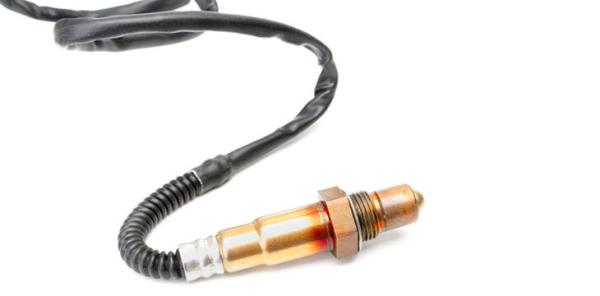
Operation and placement of O2 sensors
- Front-bank sensors are located on or near [exhaust gallery], measuring exhaust gas emission levels immediately after combustion.
- The second group of sensors is located after the [catalytic converter], to monitor emission levels after the gases have passed through the converter.
Monitoring the air-fuel mixture
The sensor monitors whether the air-fuel mixture is rich, lean, or stoichiometric — exactly where it should be for optimal combustion. Based on information from the oxygen sensor, the Powertrain Control Module (PCM) adjusts the amount of fuel introduced into the mixture, ensuring maximum efficiency and reduced emissions.
MAP Sensor – Intake Manifold Absolute Pressure

Principle of operation
In essence, the MAP is a critical component of the engine management system that transmits data from the [intake manifold] to the ECU/PCM. This sensor varies its signal (frequency or voltage) as intake manifold pressure changes.
When adjustments are needed, the ECU will modify the spark timing to ensure the fuel burns efficiently. When the sensor is not functioning properly, the result is reduced engine performance.

Importance of professional replacement
It is recommended that a professional mechanic perform the MAP sensor replacement because the procedure requires resetting fault codes in the ECU and calibrating the system.
Throttle Position Sensor (TPS)
Throttle Position Sensor (TPS) reports the exact position of the accelerator pedal to the [ECU], being essential for precise engine control.
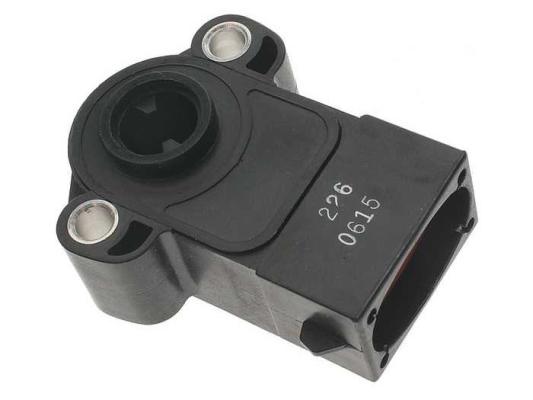
Role in power management
The computer then adjusts the throttle position based on these data, helping to:
- Determine the air flow into the engine
- Calculate the amount of fuel that must be injected
- Maintain the required air–fuel ratio
Impact on the transmission
The TPS also plays a crucial role in gear changes in an automatic transmission. The control system uses this information to determine the optimal shift points.
If this sensor stops functioning, the car’s computer won’t be able to calculate the correct amount of fuel to inject and may be unable to shift gears properly.
Mass Air Flow (MAF) Sensor
Mass Air Flow (MAF) sensor measures the exact amount of air entering the engine, fundamental for the precise calculation of the air–fuel mixture.
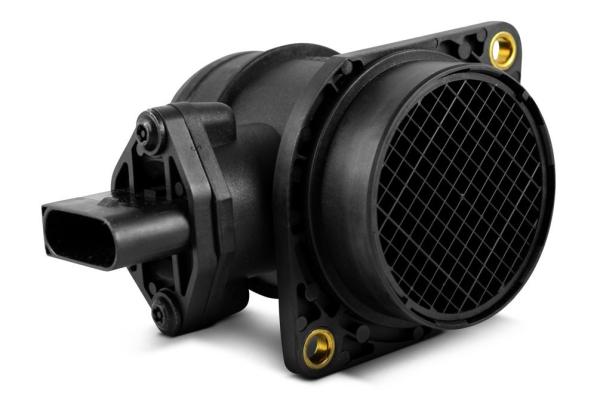
Calculating the optimal air-fuel mixture
For an engine to run correctly, a specific and precise amount of air-fuel mixture is required. The ECU or PCM reads the amount of air entering the engine from the MAF sensor and then calculates the correct amount of fuel needed for optimum engine performance.
Consequences of failure
If the MAF sensor is defective, the engine won’t know the correct amount of fuel to add, causing multiple problems:
- Increased fuel consumption
- Loss of engine power
- Reduced acceleration
- Emissions test failures
- Difficulties starting the vehicle
Integration and diagnostics
Each of these automotive sensors must operate together in perfect synergy for the vehicle to function efficiently. The engine management system relies on data from all sensors to make real-time decisions.
Diagnosing problems
If you notice warning lights on the dashboard, this indicates a problem in the system. It is recommended to contact a professional auto mechanic for a complete inspection so they can:
- Retrieve the stored error codes
- Identify exactly which sensor is defective
- Perform proper repairs
- Carry out calibration required after replacement
Future developments
As technology continues to advance, we can expect even more sophisticated sensors offering higher precision and efficiency. This evolution will contribute to the development of cleaner and more capable vehicles.
Photo sources: roadmasterengineworld.com, daseuropeanautohaus.com, sxthelement.com, carid.com, autosportlabs.com