- Toe misalignment makes the steering wheel off-center and unstable
- The car pulls to one side, signaling toe misalignment
- Uneven tire wear indicates toe issues and needs inspection
- Proper alignment extends tire life, safety, and avoids long-term costs
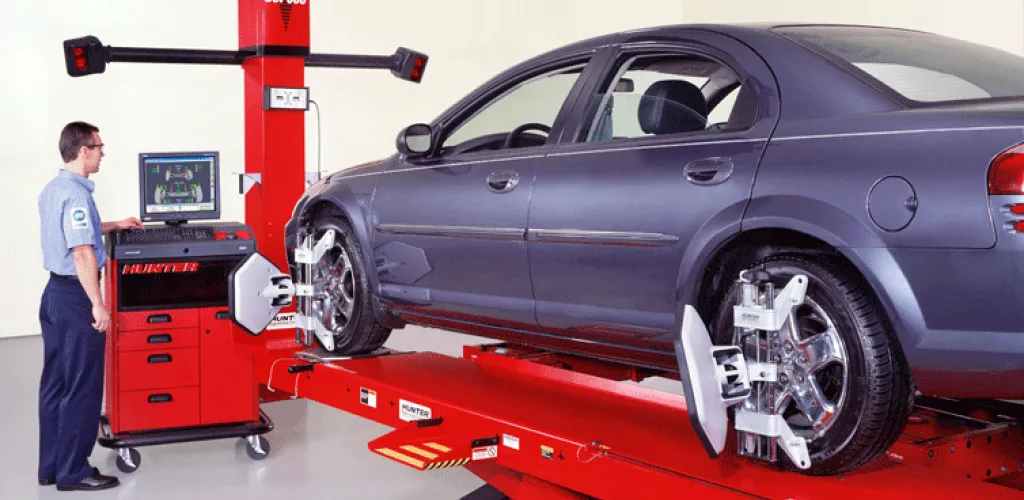
The car pulls to one side, the steering is unstable, tires wear unevenly or abnormally, and the steering wheel is not centered and does not return to the central position after turning – all of these are signs that you need to have the wheel alignment or toe angle of the vehicle checked.
With advances in auto technology and performance, keeping up with all the maintenance and repairs required can be challenging. Proper wheel alignment is one of the most important conditions for safe driving. Unfortunately, it is also one of the most neglected aspects of car maintenance.
Many drivers treat signs and symptoms of toe misalignment superficially and often do not realize that it is not easily repaired. An incorrect toe angle can lead to serious safety issues, premature wear of components, and long-term extra costs.
Main signs of toe misalignment
The steering wheel is not centered
If you drive in a straight line on a smooth road, the steering wheel should be perfectly straight or nearly straight. Usually a small deviation is allowed, depending on the crown of the road, but in general the steering wheel should be straight and centered, and the emblem in the middle of the wheel should align with you.
If the wheel is off-center by more than a few degrees, to one side or the other, it’s time to have the wheel alignment checked. After that, the wheel will be centered again and you’ll drive better and safer.

The vehicle pulls to one side or the other
As with the previous point, you will notice this most when driving straight on a smooth road. There is a common misconception that the vehicle must run perfectly straight when you take your hands off the wheel.
In a perfect world, that’s true. But in reality, it’s not, because all roads have a certain crown level, which causes a slight pull to one side. It is also very dangerous to take your hands completely off the wheel.
The vehicle should run straight with only a minimal touch on the wheel. If the car pulls to one side or the other, you should check and correct toe misalignment, which typically corrects the situation and eases driving overall.

Abnormal tire wear at specific points
The way rubber wears provides a wealth of information about the condition of a car. A qualified technician can use wear patterns to professionally assess tire pressure, suspension condition, and alignment issues.
- Wear on the inner or outer edge — may indicate toe angle issues
- Feathering or cupping of the tires — often indicates toe angle adjustment problems
- Uneven wear across the tire width — a clear sign of incorrect alignment
Tire wear is usually noticed by the mechanic during tire rotation or routine inspections. Correct alignment greatly extends tire life, so if you notice abnormal tire wear, it means you should urgently address toe angle.
The steering seems unstable
If you feel the steering is a bit loose or unstable, one possible cause is incorrect toe misalignment. You may notice this while driving or the car may feel unstable and slip when turning.
This instability may manifest as:
- Vibration in the steering wheel at higher speeds
- A sensation that the car “drifts” on the road
- Difficulty maintaining a straight path
- Unpredictable behavior in corners
If you notice such signs, check the alignment and make necessary adjustments, if needed.

The steering wheel does not return to center after turning
After a turn, the wheel should automatically return to center as you drive. Of course you should keep your hands on the wheel to help it return faster and maintain control, but if the wheel does not even tend to return to center, that is a clear sign that the alignment has gone.
Common causes of wheel misalignment
To fully understand the problem, it’s important to know the main causes that lead to a toe misalignment:

- Potholes and curb impacts – the most frequent causes
- Wear of suspension components – ball joints, bushings, shocks
- Minor accidents – even a light touch can misalign wheels
- Replacing components – without subsequent alignment
- Natural wear over time – even under normal conditions
When to check toe misalignment
Experts recommend checking the alignment in the following situations:
- Every 15,000–20,000 km
- After hitting a large pothole or curb
- When replacing tires
- After suspension or steering repairs
- When you notice any of the symptoms mentioned above
Consequences of neglecting the issue
Toe misalignment can cause a multitude of driving and wear problems:
- Accelerated tire wear – can shorten tire life by up to 50%
- Increased fuel consumption – due to higher rolling resistance
- Premature wear of suspension components – ball joints, bushings, shocks
- Reduced safety – unpredictable vehicle handling
- Additional costs – frequent replacements and repairs
Solutions and recommendations
So it’s best to take your car for checks as soon as you notice problems. Even if there isn’t an immediate risk, the issue must be resolved, because premature tire wear will cost more than wheel alignment.
When checking wheel alignment or toe angle, you should also inspect steering and suspensions, since worn parts can cause alignment problems. After checking the suspensions and performing the wheel alignment, you’ll be pleasantly surprised at how well the car handles.
For long-term toe angle maintenance:
- Avoid potholes and strong impacts
- Regularly check tire pressure
- Rotate tires according to the schedule
- Don’t ignore warning signs
- Choose a specialized service for checks
Photo sources: allstarcolumbia.com, quicktrickalignment.com, carfromjapan.com, blog.autointhebox.com