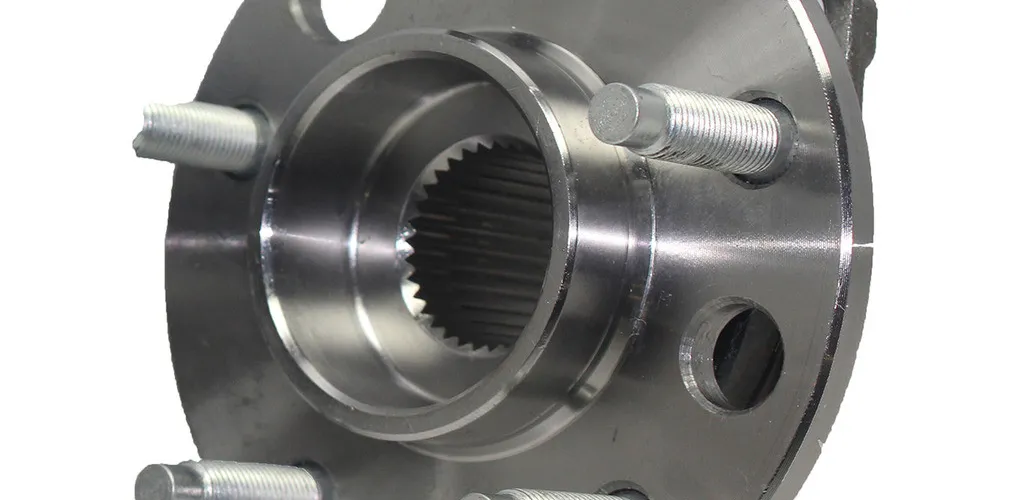
- The wheel hub mounts the wheel, contains bearing, studs, and ABS sensor.
- It enables wheel rotation while fixing the wheel to the car via studs.
- A hub assembly includes hub body, bearing, lug studs, ABS sensor, seals.
- Wear signs: rumble, steering vibrations, wheel play, and uneven tire wear.
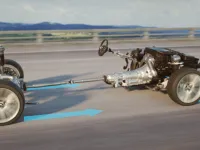
The wheel hub is a crucial component of a vehicle’s drivetrain, serving as the central point where the wheel mounts to the suspension and transmission. While it may seem like a simple part, its role in safety and performance is fundamental, and understanding how it works can help prevent serious issues.
What is the wheel hub and how it works
The hub is the metal assembly on which the wheel is mounted. It serves as the interface between the wheel and the vehicle, housing inside it the wheel bearing and mounting studs. Most modern cars also feature the ABS sensor or wheel speed sensor mounted in this assembly.
The hub assembly is designed to withstand extreme mechanical loads: the vehicle’s weight, lateral forces in corners, accelerations, and sudden braking. The materials used are typically high-strength alloy steels, heat-treated to provide maximum durability.
Role of the wheel hub in the drivetrain
The hub plays a dual and essential role for the proper function of the vehicle:
Allows free rotation of the wheel - Through the wheel bearing mounted inside, the hub allows the wheels to rotate with minimal friction, ensuring smooth and efficient vehicle movement.
Rigidly fixes the wheel to the vehicle - Through the studs, the hub ensures the wheel remains bonded to the suspension and transmission, transferring all necessary forces between the wheel and the chassis.

The wheel hub is the only part of the car that holds the wheel fixed to the vehicle, and therefore it is very important to ensure that the wheels are mounted correctly, with the correct torque specification for the lug bolts as set by the manufacturer.
Components of the hub assembly
A complete hub assembly includes several essential components:

- Hub body – Main piece made of forged or cast steel
- Wheel bearing – Allows rotation with minimal friction
- lug studs or bolts – Fix the wheel to the hub
- ABS sensor – Monitors the rotation speed (in modern models)
- Seals and caps – Protect the bearing from contaminants and lubricant loss
Signs of hub and bearing wear
Early identification of problems with the wheel hub can prevent dangerous situations and costly repairs. The main symptoms of a fault are:
Characteristic rumble
If you hear a loud rumble whose sound increases with speed, one or more bearings have failed. This noise resembles a continuous hum or murmur that grows louder at higher speeds or during cornering.
Vibrations in the steering wheel or body
A worn bearing can generate vibrations that travel through the steering wheel, especially at higher speeds. These vibrations can be intermittent or constant depending on the wear level.
Wheel play
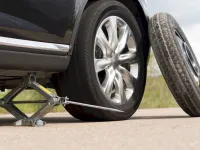
If you lift the car on a jack and can move the wheel up-down or side-to-side, there is play at the bearing, indicating advanced wear.

Uneven tire wear
A defective hub can cause incorrect wheel geometry, leading to uneven tire wear.
When to replace the hub or bearing
It is essential to replace defective bearings as soon as possible, because they can seize in operation and cause serious problems, including wheel detachment in extreme situations.
Depending on the construction type, you may replace only the bearing or the entire hub-bearing assembly. Modern vehicles often use pre-sealed assemblies that are replaced as a unit, while older cars allow replacing only the bearing.
Maintenance and lifespan
Under normal conditions, the life of a hub and bearing can range from 100,000 to 150,000 km, but factors such as:
- Driving style (hard braking, aggressive cornering)
- Road quality
- Vehicle load
- Exposure to water and contaminants
- Quality of original parts
can significantly reduce this duration. Regular service checks and attention to warning signs can extend component life and ensure safety on the road.
Replacement cost
The cost of replacing a hub or bearing varies depending on:
- Vehicle model and make
- Construction type (pre-sealed hub vs. separate bearing)
- Part quality (OEM vs. aftermarket)
- Labor costs in your area
In general, neglecting wheel hub issues can lead to more expensive damage to the suspension system or even accidents, so timely intervention is always recommended.
Photo sources: detroitaxle.com, clublexus.com