- Replacement costs 6,000–10,000 RON; repairs can reach 15,000 RON.
- Preventive maintenance is key; regularly service the transmission.
- Check transmission fluid level and quality during service.
- Vibrations during gear shifts indicate possible transmission problems.
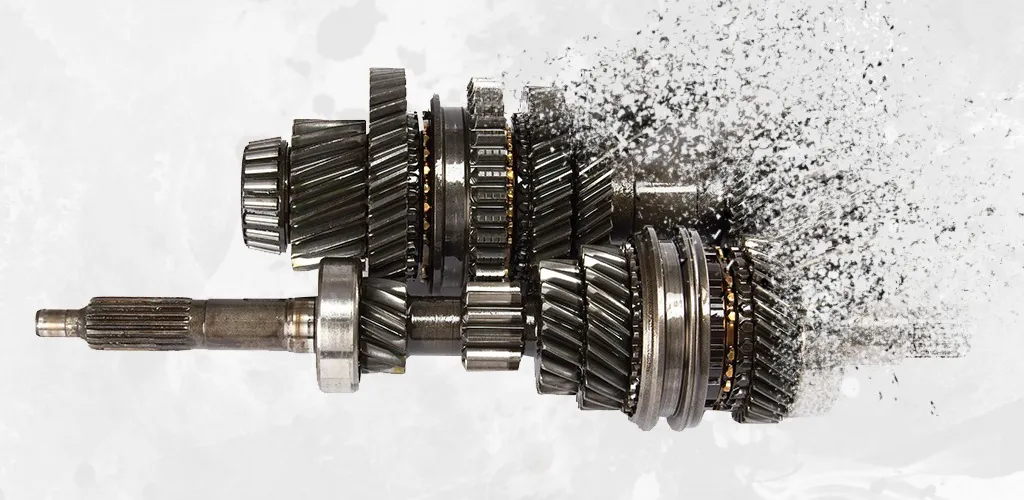
Transmission is one of the most important systems in any car, whether in a manual or automatic version. This vital system ensures the transfer of power generated by the engine to the vehicle’s wheels, allowing it to move efficiently. When the transmission begins to operate defectively, the consequences can be severe, affecting not only the car’s performance but also road safety.
Preventive maintenance of the transmission is essential, and early recognition of warning signals can mean the difference between a minor repair and a major failure that requires a complete replacement of the system.
Costs of a faulty transmission
Before discussing the warning signals, it is important to understand the financial scope of transmission problems. Repair or replacement of a transmission system is among the most expensive auto services.
Cost of replacing the transmission ranges from 6,000 to 10,000 RON, depending on the make and model of the vehicle, as well as the quality of parts used. This price includes both the new or refurbished component and the labor required to remove the old transmission and install the new one.
Cost of repairing the transmission can reach up to 15,000 RON in severe cases, when complex interventions on internal gearbox components are necessary. This includes replacing worn bearings, synchronizers, gear wheels, and refurbishing the housing.
These figures demonstrate the importance of preventive maintenance and early problem identification.
Preventive maintenance – the key to transmission longevity
The most effective way to avoid major transmission problems is to regularly check and service the system. There are several essential aspects to monitor consistently:
Checking the transmission fluid
The transmission fluid serves several vital functions:
- Lubricates moving components to reduce friction and wear
- Cools the system by dissipating heat generated by rubbing
- Cleans impurities and keeps the system functional
- In automatic transmissions, transmits the hydraulic pressure needed to change gears
Fluid level should be checked periodically according to the manufacturer’s instructions. A low level can indicate a leak or an internal issue. In most manual transmissions, checking is done by removing the level plug, while automatics typically have a dipstick.
Fluid quality is as important as the level. Transmission fluid should be reddish or pink and transparent. If you notice that:
- It is dark, brownish, or black
- It has a burnt odor
- It contains metallic particles or impurities
- It looks foamy or emulsified
…then it is time for an immediate replacement and a thorough system check.
Ask your mechanic to check these aspects at every periodic service.
Warning signs of a faulty transmission
A faulty transmission will announce its problems through various symptoms. Recognizing these signs early can prevent serious and costly failures.
Vibrations during gear shifts
One of the most common symptoms of a transmission problem is vibration or tremor felt around the gear shifter or the clutch pedal when shifting from one gear to another.
In manual transmissions, this phenomenon may indicate:
- Low level or poor-quality transmission fluid
- Wear of synchronizers – components balancing rotation speed between gears
- Deterioration of the clutch plates
- Wear of internal bearings
In automatic transmissions, tremors may be caused by:
- Desynchronization of the electronic control system
- Torque converter faults
- Problems with clutch packs for different gears
- Inadequate hydraulic pressure due to faulty pump or valves
If you experience this symptom, schedule a check as soon as possible. Ignoring it can lead to rapid internal component damage.
Distinct odor of burnt transmission fluid
The burnt transmission fluid odor is a major warning signal that should never be ignored. This sharp, acrid smell resembles burnt rubber and indicates overheating of the system.
Possible causes:
- Insufficient fluid level, which can no longer effectively cool components
- Clutch slippage that generates excessive heat
- Excessive friction between components due to advanced wear
- Blocking of internal components
Overheating dramatically accelerates deterioration. Burnt fluid loses lubricating properties and may form deposits that clog the transmission’s internal channels.
If you detect this odor, stop the vehicle immediately in a safe place and request roadside assistance. Continuing to drive can cause irreversible damage.
Unusual noises at idle
Under normal conditions, when the shifter is in neutral and the engine is idling, you should not hear noises from the transmission.
Noises that should alarm you:
- Chirping or whistling – usually indicates wear of the input or output bearings
- Rattling or metallic banging – may signal damaged or broken gear teeth
- Humming or constant murmur – suggests bearing or gear problems
- Friction noise – may indicate lack of lubricant or direct contact between metal surfaces
These sounds should not be ignored. Worn bearings and gears can fail completely, seizing the transmission and leaving you stranded at the worst moment.
In automatics, noises can also originate from the torque converter or the internal hydraulic pump.
Slipping or jumping out of gears
This phenomenon, also known as gear slipping, is one of the most dangerous signs of a faulty transmission and directly affects road safety.
Manifestations:
- The shifter fights to engage the desired gear
- The vehicle disengages from gear by itself, returning to neutral while driving
- Sudden drops in power during acceleration
- Delays in delivering power to the wheels after acceleration
- In automatics, delayed gear shifts or unexpected downshifts
Technical causes:
- Advanced wear of synchronizers in manual transmissions
- Damaged gear teeth
- Excessive wear of clutch packs in automatics
- Problems with hydraulic or electronic control systems
- Worn clutch that no longer fully engages
- Excessive play between components due to wear
Gear slipping is extremely dangerous, especially in heavy traffic or during overtaking, where a sudden loss of traction can cause accidents. At the first signs, limit driving and urgently schedule a technical check.
Transmission fluid leaks
The transmission is a closed, pressurized system designed to prevent fluid leaks. Any visible leak indicates a mechanical fault.
Identifying leaks: Transmission fluid is usually red or pink (unlike engine oil, which is brown or black). Regularly check the ground beneath the car, in the center area after parking overnight.
Common leak locations:
- Transmission case gaskets
- Output shaft seal
- Input shaft seal
- Transmission cooler and its connections (in automatics)
- Drain plug or level plug
- Torque converter housing
Why it’s dangerous to drive with leaks: Operating the transmission without enough fluid is highly damaging. Metal components contact directly, causing:
- Excessive friction and extreme heat
- Accelerated wear of gears, bearings, and synchronizers
- Seizure of moving components
- In automatics, loss of hydraulic pressure needed for gear changes
In extreme cases, the transmission can seize completely or internal components may suffer irreversible damage. Do not drive the vehicle if you notice significant leaks – arrange towing to a specialized service.
Conclusion
The transmission is a complex and vital system in any car. The high costs associated with repairs or replacement make preventive maintenance essential. Regularly monitor the transmission fluid level and quality, along with early recognition of warning signs, to save you thousands of lei and to ensure road safety.
At the first sign of dysfunction—whether unusual noises, vibrations, burnt smells, slipping, or leaks—consult a qualified mechanic. Prompt intervention can turn a minor problem into a simple repair, rather than leading to a complete transmission replacement.
Proper maintenance and attention to detail are the key to a transmission that runs reliably in the long term.