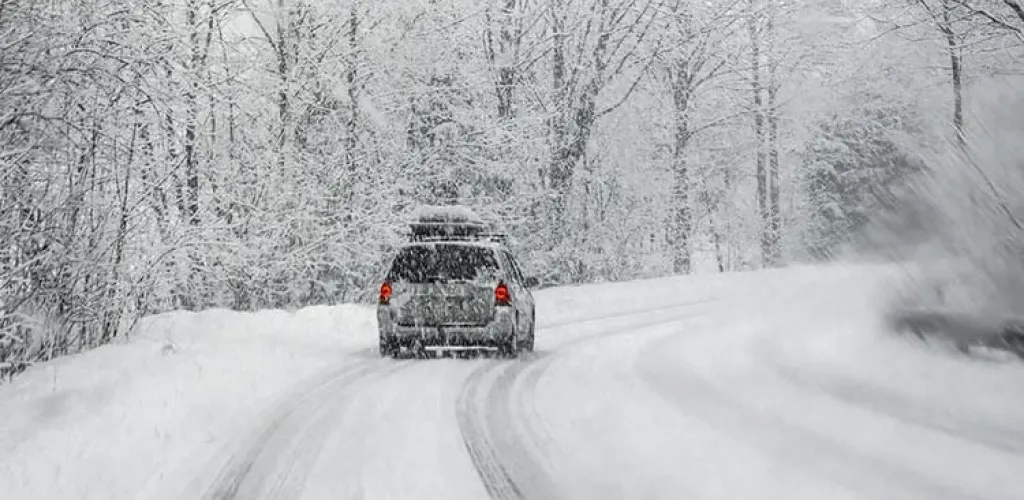
- Carry water, non-perishable food, flashlight, power bank, and charged phones
- Pack emergency gear: flares, reflective triangles, first aid, extinguisher, blanket
- Before travel, check fluids, battery, lights, tires, brakes, and fuel
- Practice tire chains and keep a snow shovel handy
Winter travel requires thorough preparation of both the vehicle and the emergency equipment. Low temperatures, snow, and ice can turn an ordinary trip into a dangerous experience if you are not properly prepared. Your safety and that of your passengers depends on the technical checks you perform before departure and on the equipment you have on board.
Regardless of the season, when traveling long distances you can face the cold of winter. It is essential to be prepared if the weather is cold in your area or in the area you are headed to.
Essential gear for winter travel
Ensure you have the following items in your vehicle every time you travel in winter:
Basic provisions:
- A few bottles of water (minimum 2-3 liters)
- A small supply of non-perishable food (cookies, canned goods, energy bars)
- LED flashlight with spare batteries
- A charged external power bank for mobile phones
- Mobile phones fully charged
Safety equipment:
- Emergency kit for the vehicle, including flares and reflective triangles
- Updated first aid kit
- Fully functional fire extinguisher
- Physical map in case digital devices run out of power
Winter equipment:
- Winter tire chains (practice fitting before departure)
- Snow shovel
- Ice scraper and window anti-freeze product
- Sand or grit for traction
- Tow strap
- Thermal blanket or space blanket
- Sets of clean clothes: jacket, socks, gloves, and hat

Essential technical checks before departure
Before you head out on cold weather roads, it is crucial to verify the following vehicle components:

Documentation and on-board systems
- Ensure the periodic inspection is up to date
- Check that no warning lights illuminate on the dashboard
- Test the operation of all electronic systems
Fluids
- Check the level of antifreeze and top up to the recommended level
- Check the engine oil level and top up if necessary
- Check brake fluid and power steering fluid
- Top up the windshield washer fluid with an anti-freeze product
Electrical system
- Test the battery and ensure it is fully charged
- Clean the battery terminals and make sure they are tight
- Check the operation of all lights: headlights, taillights, indicators
- Test the heating and ventilation of the cabin
Tires and brakes
- Check tire pressure and adjust to the recommended values
- Check the tread depth (minimum 4 mm for winter)
- Consider fitting winter tires if the temperature drops below 7°C
- Test the effectiveness of the braking system
Fuel and windshield
- Keep the fuel tank full (do not let it fall below a quarter)
- Repair any cracks in the windshield — cold weather can worsen them
- Remove all snow from the vehicle (roof, hood, trunk)
- Check the condition of the windshield wipers
Tips for safe winter driving
Once on the road, follow these principles for a safe journey:
Adapt your driving style
- Drive slowly and do not rush — take the time needed for safety
- Be gentle with braking and acceleration
- Allow extra stopping time (double the stopping distance)
- Avoid abrupt steering maneuvers
Be aware of road conditions
- Watch out for black ice — the thin, transparent layer of ice
- Check road conditions before departure
- Inform yourself about closed roads or extreme conditions
- Monitor the weather forecast for the entire route
In case of emergency
- Stay in the vehicle if you get stuck and signal your position
- Use emergency flares and reflective triangles
- Conserve fuel — run the engine periodically to stay warm
- Keep the exhaust clear to avoid carbon monoxide buildup
Preparation the day before
For maximum safety, allocate time for preparations the day before departure:
- Check the weather forecast for the entire route
- Plan alternative routes in case main roads are closed
- Inform someone about your travel plan and estimated arrival time
- Charge all electronic devices
- Recheck all equipment and fluid levels
Proper preparation can make the difference between a safe trip and an emergency situation. Never underestimate winter conditions and take all necessary precautions to protect your safety and that of other road users.
-200x150.webp)