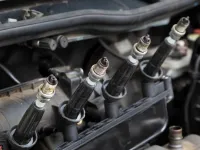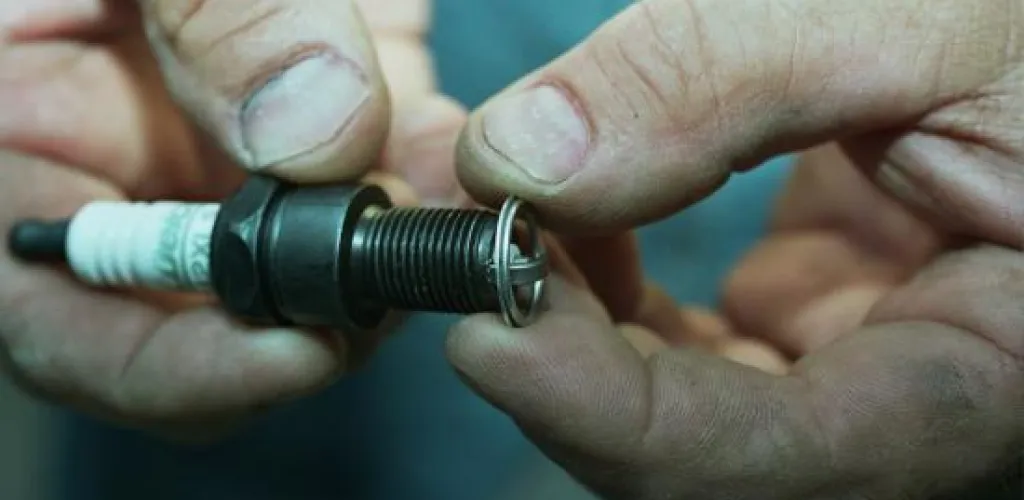
- Spark plugs ignite the air-fuel mix, generating 20,000–30,000 V sparks.
- They endure extreme conditions: -30°C to 2,000°C, 40–50 bar, vibrations.
- Copper/Nickel plugs last 15,000–30,000 km, cheapest and shortest-lived.
- Platinum plugs last 60,000–80,000 km; Iridium plugs 80,000–120,000 km.
Spark plugs are among the most important components of an internal combustion engine, responsible for igniting the air-fuel mixture in the combustion chamber. Although they are relatively small and inexpensive parts, neglecting them can lead to major operating problems and high repair costs. Understanding replacement intervals and signs of wear can save you time and money and prevent the failure of other engine components.
The Essential Role of Spark Plugs in the Ignition System
Spark plugs act as the “trigger” for the combustion process in an ignition engine. Their role is seemingly simple: generate an electric spark that ignites the compressed air-fuel mixture in the combustion chamber. This process repeats thousands of times per minute, which subjects the plugs to extreme demands.
A key function involves transforming the 12V from the battery into a discharge of 20,000–30,000 volts between the spark plug electrodes. This high voltage must jump across a small gap between the electrodes to create the spark required to ignite.
Extreme Operating Conditions
Spark plugs operate in some of the harshest conditions in the entire vehicle:
- Extreme temperatures: from -30°C during cold starts to over 2,000°C during combustion
- High pressures: up to 40–50 bar in the combustion chamber
- High voltages: 20,000–30,000 V per spark
- Constant vibrations: from engine operation
- Chemical corrosion: from exhaust gases and condensate
These conditions explain why spark plugs are considered consumables that require periodic replacement, regardless of their quality.
Clear Symptoms of Worn Spark Plugs
Early recognition of wear signs can prevent more serious problems:
Starting Symptoms
- Difficult starting: the engine cranks but starts with a delay
- Multiple starts: needing several attempts to start the engine
- Inability to start: in extreme cases, the engine won’t start at all
Idle and Driving Symptoms
- Rough idle: the engine “stumbles” or idle speed varies
- Uneven running: the engine stalls or misses, especially on acceleration
- Loss of power: acceleration is weak, the engine feels “choked”
- Abnormal vibrations: the engine vibrates more than usual
Economic and Environmental Symptoms
- Increased fuel consumption: noticeable rise in fuel usage
- Higher emissions: failure in the emissions test
- Smell of unburned fuel: in the engine area or near the exhaust
Replacement Intervals by Spark Plug Type
Copper/Nickel Electrodes Spark Plugs
- Service life: 15,000–30,000 km
- Characteristics: the most affordable, but with the shortest lifespan
- Recommendation: suitable for older engines or high-mileage vehicles
Platinum Electrodes Spark Plugs
- Service life: 60,000–80,000 km
- Characteristics: good balance between price and durability
- Recommendation: optimal choice for most cars
Iridium Electrodes Spark Plugs
- Service life: 80,000–120,000 km
- Characteristics: highest durability and superior performance
- Recommendation: ideal for modern engines with direct injection
Spark Plugs with Advanced Technologies
- Multiple electrodes: extended life and more efficient ignition
- Laser-welded plugs: maximum wear resistance
- Service life: up to 150,000 km for some premium models
Factors Affecting Lifespan
Driving-Related Factors
- Driving style: sudden accelerations and high RPM reduce lifespan
- Route type: urban vs. highway (city driving is more demanding)
- Distances driven: short trips do not allow optimal heating
Maintenance-Related Factors
- Fuel quality: lower-quality fuel accelerates wear
- Air filter condition: a clogged filter affects the air–fuel mix
- Fuel system condition: dirty injectors affect combustion
- Engine tuning: a misfiring or out-of-tune engine wears plugs prematurely
Technical Factors
- Engine compression: low compression can affect ignition
- Operating temperature: an overheating engine wears plugs faster
- Vibrations: a misbalanced engine vibrates excessively
Checking Spark Plug Condition
Visual Inspection
Removing a spark plug for inspection can provide valuable information:

- Worn electrodes: rounding or wear of the electrodes
- Carbon deposits: blackening of the insulator
- Oil on the plug: sign of issues with rings or valve guides
- Abnormal color: white (lean mixture) or black (rich mixture)
Measuring the Gap
The distance between the electrodes should meet the manufacturer’s specifications (usually between 0.6–1.3 mm). A gap that is too large or too small affects performance.
Testing with Specialized Equipment
- Spark plug tester: checks spark generation capability
- Oscilloscope: analyzes the ignition signal shape
- Gas analyzer: measures emissions to detect combustion problems
Step-by-Step Replacement Process
Preparation
- Let the engine cool completely (at least 1 hour after shutdown)
- Prepare the necessary tools: socket wrenches, extensions, possibly a torque wrench
- Identify all spark plugs and plan the replacement order
- Clean the area around the spark plugs to prevent dirt ingress
Removal
- Disconnect the ignition leads or coils (label them for reassembly)
- Remove the spark plugs with slow motions to avoid breakage
- Check the condition of each plug before discarding
Installation
- Check the gap of the new plugs according to the specifications
- Thread by hand each plug until snug to avoid damaging the thread
- Tighten with a wrench to the specified torque
- Reconnect the leads in the correct order
When to Call a Specialist
Complex Situations
- Hard-to-access engines: some plugs require removing other components
- Turbocharged or supercharged engines: require additional precautions
- Complex ignition systems: individual coils, COP systems
Associated Problems
- Damaged threads: require specialized repairs
- Stuck spark plugs: risk of breaking during removal
- Diagnostic problems: when symptoms persist after replacement
The Importance of Preventive Maintenance
Benefits of Timely Replacement
- Optimized fuel consumption: efficient combustion reduces fuel use by up to 10–15%
- Consistent performance: power and torque stay within nominal parameters
- Lower emissions: proper ignition minimizes pollution
- Catalytic converter protection: incomplete combustion can damage the converter
- Increased reliability: reduces risk of breakdown
Costs of Neglect
Delaying spark plug replacement can lead to:
- Catalytic converter damage: replacement costs of 1,000–3,000 lei
- Injector problems: fouling due to incomplete combustion
- Premature engine wear: low compression accelerates wear of components
Tips to Maximize Lifespan
Driving Practices
- Avoid repeated abrupt accelerations
- Let the engine warm up before demanding performance
- Periodically take longer trips to burn off deposits
- Maintain optimal RPM for your engine type
Related Maintenance
- Replace the air filter on time for a clean mixture
- Use quality fuel from reputable stations
- Periodically add cleaners/ additives for system cleaning
- Check and adjust the ignition system during service
Replacing spark plugs at the recommended intervals is a small investment that can prevent costly problems and keep the engine operating at its optimal parameters. Remember that quality spark plugs and preventive maintenance are the keys to a trouble-free driving experience and lower long-term maintenance costs.