- Spare tires are temporary, not designed for normal driving conditions
- Smaller diameter/width saves space, weight, and reduces production costs
- Lightweight, simpler rims limit speed (80 km/h) and travel range (50-100 km)
- Shallow tread offers limited grip, faster wear, more noise; used only to reach service
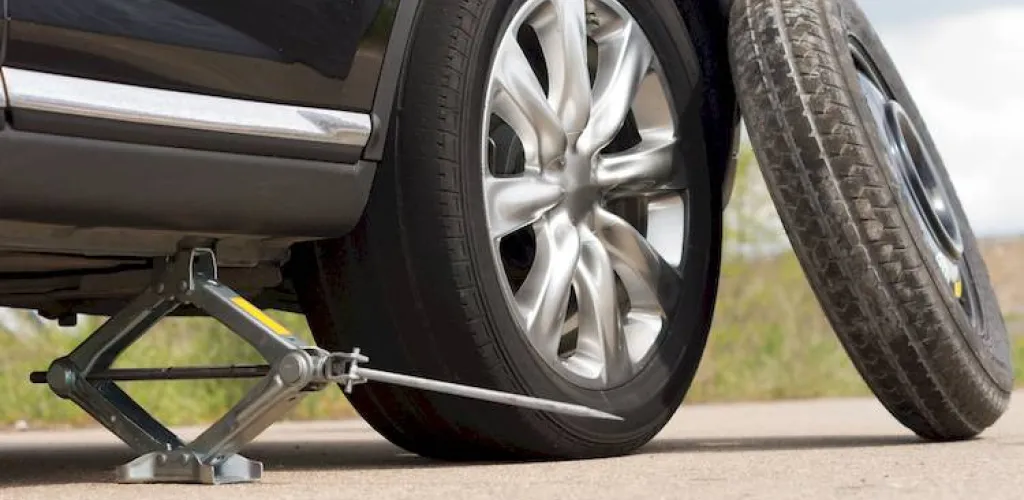
Spare tires are an essential safety component for any car, but many drivers don’t fully understand how they differ from regular tires. These differences are not accidental—they reflect a specific design philosophy intended to provide a temporary emergency solution, not a permanent replacement.
Unless you drive one of the few vehicles equipped with a full-size spare, spare tires are not the same as the other four on your vehicle. There are significant manufacturing differences that clearly show your spare tire is meant only for temporary use and under limited conditions.
Smaller dimensions to save space
Modified diameter and width
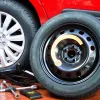
The spare tire, whether it is a standard-size spare or a different one, usually has a smaller diameter than the other four regular tires. The diameter can be smaller by 0.5 centimeters up to 2-3 centimeters compared to the factory tires, and the width is typically significantly smaller than the factory tires.
Advantages of the compact design
This is designed to save space in your vehicle when the spare tire is stored. The reduction in dimensions allows:
- Optimizing trunk space
- Reducing the total weight of the vehicle
- Ease of handling in the event of a puncture
- Lower production costs for manufacturers
Wheel rim construction: lightweight and economical materials
Materials and simplified structure
The wheel or rim is made from lightweight material. The rim construction of a spare wheel is less complex than that of regular rims, so it may have a different wheel offset or may be manufactured from a lighter material than standard wheels.
Design compromises
Being smaller and made from lighter material, it is much easier to install when needed, but it is not as rigid or durable as a normal road wheel. This difference in stiffness translates into:
- Modified dynamic behavior of the vehicle
- Speed limitations (usually up to 80 km/h)
- Maximum distance of travel restricted (approximately 50-100 km)
- Reduced ride comfort
Tread: designed for emergencies
Reduced depth and minimal design
Because it is designed to be used strictly in emergency situations, the spare tire has much shallower tread depths and only grooves on the tread surface. This feature has important implications:
- Limited grip: Reduced performance on wet or slippery roads
- Accelerated wear: The thinner material wears more quickly
- Increased noise: The simplified design generates more road noise
Usage limitations
It is intended to take you to a service or tire shop where you can repair the tire or replace the defective rim; it is not designed for normal operating conditions. For this reason, following the usage restrictions is crucial for your safety.
Road safety implications
Modified vehicle behavior
Using a spare tire significantly affects the vehicle’s behavior:
- Stability: The difference in diameter can affect ESP and ABS systems
- Traction: Uneven distribution of forces can cause issues when accelerating and braking
- Differential wear: On all-wheel-drive vehicles, the differences can damage expensive mechanical components
Usage recommendations
To avoid problems, follow these basic rules:
- Maximum speed: Do not exceed 80 km/h
- Distance: Limit to a maximum of 80-100 km
- Pressure check: Check the tire pressure before use
- Rapid replacement: Repair or replace the defective tire as soon as possible
Conclusion
Understanding the differences between spare and regular tires helps you use this safety element correctly. Remember that the spare tire is a temporary solution, not a permanent one, and following the usage limits is essential for your safety and that of other road users.
Sura foto: excellencecarhire.co.zw, yourmechanic.com