- Catalytic converters use catalysts and precious metals to convert exhaust pollutants at high temperatures
- In Romania, inspections check converters’ functionality; defective or missing leads to failure
- Symptoms include power loss, higher fuel consumption, unusual noise, sulfur smell, and check engine light
- They are often stolen for the precious metals inside, which gives thieves financial value
Even today, it’s not uncommon to encounter situations where thieves target the valuable components of our cars. Sometimes entire vehicles are stolen to be dismantled, leaving little trace, while in other cases only certain parts are taken and the rest of the vehicle is left intact. Among the components most frequently targeted is the catalytic converter—a crucial and highly valuable part of the exhaust system.
In this article we explain what the catalytic converter is and how it works, why they are stolen, and practical ways to protect yours.
What the catalytic converter is and how it works
How the catalytic conversion process works
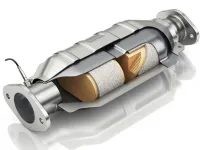
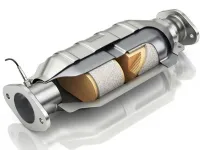
Inside the metal housing there is a ceramic or metallic honeycomb structure coated with precious metals that act as catalysts. When hot exhaust gases (temperatures between 400-800°C) pass through this structure, the precious metals trigger chemical reactions that break down the harmful substances. This process is called catalytic conversion and occurs continuously as long as the engine is running and the converter has reached its optimal operating temperature.
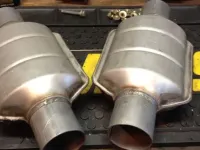
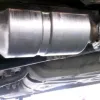
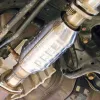
The catalytic converter is typically located toward the rear of the vehicle, in line with the exhaust pipe, between the engine’s exhaust manifold and the exhaust pipe. In simple terms, the converter resembles a muffler and is usually dark-colored, built from a metal housing that withstands high temperatures.
How the catalytic conversion process works
Inside the metal housing there is a ceramic or metallic honeycomb structure coated with precious metals that act as catalysts. When hot exhaust gases (temperatures between 400-800°C) pass through this structure, the precious metals trigger chemical reactions that break down the harmful substances. This process is called catalytic conversion and occurs continuously as long as the engine is running and the converter has reached its optimal operating temperature.
The catalytic converter’s role in vehicle inspections
In Romania, passenger cars must comply with different emission standards (Euro 4, Euro 5, Euro 6), and at each periodic vehicle inspection (ITP) the functionality of the catalytic converter is checked by measuring pollutant emissions. If it is defective or missing, you will most likely fail the inspection and have to replace the component before you can drive legally.
A blocked or damaged converter will no longer function optimally and can quickly lead to overheating of the engine and other components, because the exhaust process cannot be carried out efficiently. Symptoms of a defective catalytic converter include:
- Loss of engine power
- Increased fuel consumption
- Unusual noise on acceleration
- Strong rotten-egg smell (sulfur)
- Check Engine light on the dashboard
Why catalytic converters are stolen
The precious metals in the converter
The main reason people steal catalytic converters is the value of the precious metals inside them. Inside the converter you can find metals such as:
- Platinum (Pt) — used for oxidizing hydrocarbons and carbon monoxide
- Palladium (Pd) — helps oxidize pollutants and is increasingly valuable
- Rhodium (Rh) — the most expensive metal, used for reducing nitrogen oxides
These rare metals are hard to come by in nature and command very high prices on the precious metals market. For example, rhodium can fetch over €10,000-€15,000 per kilogram, depending on market fluctuations. Even though the amount in each catalytic converter is small (a few grams), the total value can reach hundreds or even thousands of euros depending on the vehicle type.
Fast profit for thieves
A catalytic converter can be stolen in under 2-3 minutes with an electric saw or an angle grinder. Thieves particularly target:
- SUVs and crossovers (higher ground clearance, easier access)
- Hybrid cars (contain more precious metals as the engine runs less)
- Toyota, Honda, Lexus models (known for valuable converters)
- Vehicles parked in poorly lit areas or quiet streets
On the black market, a stolen converter can be sold to junkyards or illegal collection centers for €200-€1000 or more, depending on the model. For the owner, replacement can cost between €1,500-€5,000 at the dealer, plus towing and exhaust system repair costs.
Demand for second-hand parts
If your catalytic converter is defective, the price of a new converter may motivate someone to steal one rather than buy a new converter from the dealer. There is an active market for second-hand catalytic converters, which makes stolen parts easy to monetize.
How you can protect your catalytic converter
Basic preventive measures
If you live in an area known for such thefts or simply want to be cautious, there are several methods to prevent problems:
- Park in safe, well-lit areas, preferably with video surveillance
- Use a garage if you have access to a closed one
- Park strategically: park as close as possible to walls or curbs to limit access underneath the car
- Vary your routine: do not park in the same spots at the same times
- Install motion sensors: modern alarm systems can detect movement under the car
Specialized physical protections
When the situation truly calls for it, you can resort to physical protection methods:
Anti-theft clamps and screws: These replace standard screws with ones that require special tools to remove. They cost between €50-€150 and significantly increase the time needed to steal.
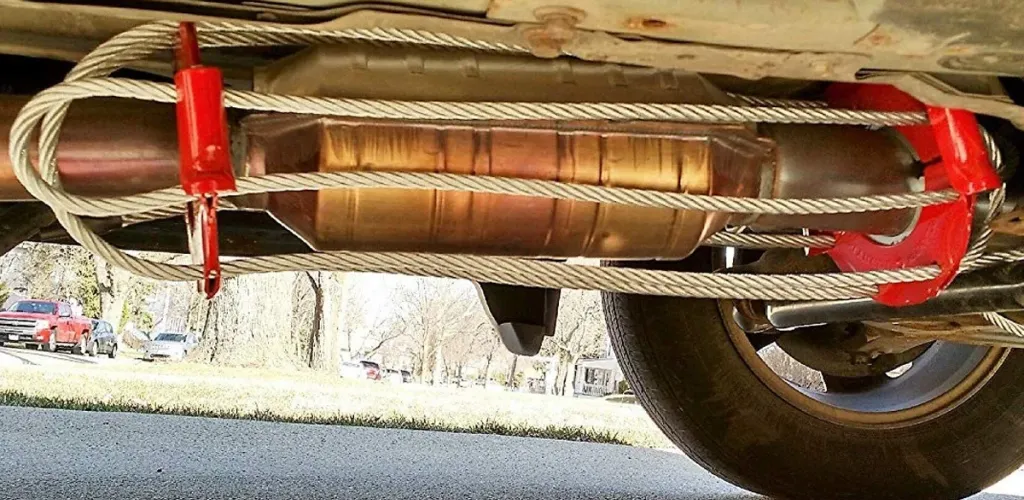
Metal protective cages: Steel cages mounted around the converter make it practically inaccessible without removing the protection. They cost between €200-€500 but offer the best protection. This makes the converter much harder to remove and reduces the risk of damage.
Engraving systems: Marking the converter with a unique code or the vehicle’s VIN makes it harder to sell on the black market and helps with identification in case of recovery.
High-temperature paints: There are paints with high heat resistance that contain markers, making the part traceable.
What to do if your catalytic converter was stolen
- Do not start the engine — running without a catalytic converter can damage the engine
- Notify the police immediately and file a criminal complaint
- Contact your insurer — check if you have CASCO coverage that includes this type of theft
- Document the damage — take detailed photographs as evidence
- Tow the car to an authorized service center for a full evaluation
- Request quotes from several service centers for replacement
Stolen catalytic converters remain a significant problem in many countries, including Romania, due to the high value of precious metals and the ease with which they can be stolen. Investing in an adequate protection system may seem costly at first, but it is far cheaper than replacing a stolen catalytic converter and can save you from substantial costs and major hassles.