- Revving a cold engine causes premature wear and lubrication issues.
- Follow modern guidance: start, then drive gently; avoid extended idling.
- Winter starting steps: check fluids, start without acceleration, idle briefly, drive smoothly.
- Battery and antifreeze care: regular charging, replace after 3–4 years, check antifreeze with hydrometer.
With the onset of the cold season, many drivers adopt habits that seem useful for warming the car but can cause serious engine damage. One of the most common mistakes is revving the engine when cold to warm it up, a practice that can have costly consequences in the long run.
Auto experts urge caution in the winter months, warning about inadequate methods of warming up vehicles. As temperatures drop below freezing, car owners face daily challenges: from warming up the interior to battery issues and windshield de-icing.
Why not rev a cold engine and how to prevent winter engine damage
Impact of low temperatures on the engine
- Oil thickening – at low temperatures, oil becomes more viscous, circulating more slowly through the lubrication system
- Contraction of metals – engine components shrink, altering clearances between parts
- Inefficient combustion – the fuel‑air mixture does not ignite optimally when cold
Risks of excessive revving
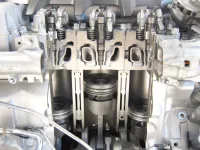
- Premature wear – moving parts operate without proper lubrication
- Damage to piston rings – high pressure can affect the rings on the pistons
- Excessive wear of cylinders – increased friction between pistons and cylinders
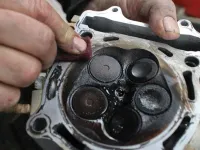
- Valve problems – uneven expansion can cause damage
Correct method to warm up the engine
Recommendations from modern manufacturers
- Drive away promptly after starting the engine
- Avoid prolonged idling – don’t let the car idle for more than 30–60 seconds
- Drive smoothly for the first miles until the engine reaches working temperature
Proper steps for winter starting
- Check the coolant and oil levels before the cold season
- Start the engine without acceleration
- Let the engine idle for up to 1 minute
- Begin driving smoothly, avoiding high revs
- Wait for full warm‑up before placing heavy demands on the engine
Battery problems in winter
How cold affects the car battery
- Slower chemical processes at low temperatures
- Reduced energy storage capacity
- Increased internal resistance
- Higher starting load for a cold engine
Signs of a faulty battery
Discharged battery symptoms:
- Weak click when turning the ignition key
- The starter does not engage
- Dashboard lights do not come on
- Central locking does not work
Weak battery symptoms:
- Difficult starting in the morning
- Dim lights at idle
- Problems with on-board electronics
Battery maintenance in winter
Preventive measures
- Regular charging – at least once a week for cars used infrequently
- Check the battery age – replace after 3–4 years
- Clean corrosion from the terminals with a wire brush
- Turn off electrical devices before stopping the engine
When to replace the battery
- Batteries older than 3 years are prone to winter problems
- Weak batteries should be replaced before the cold season
- After repeated discharges, performance permanently declines
Winter fluids preparation
Checking the antifreeze
- Correct concentration – check with a hydrometer
- Protection down to -25°C minimum for Romania’s climate
- Periodic replacement according to the manufacturer’s recommendations
Winter engine oil
- The right viscosity – oil 5W30 or 0W30 for easy starts
- Timely replacement – old oil thickens more in the cold
- Check the oil level before the cold season
Winter equipment
Essential accessories
- Jump cables for emergency situations
- Portable battery charger
- De-icer spray for windows and locks
- Windshield washer fluid with antifreeze protection down to -20°C
Consequences of neglecting the engine in winter
Long-term damage
- Premature engine wear due to inadequate lubrication
- Cooling system problems caused by insufficient antifreeze
- Battery failure due to repeated discharges
- High repair costs that can be avoided with proper maintenance
Environmental impact
Excessive cold-start revving:
- Increases pollutant emissions due to inefficient combustion
- Wastes fuel by running at idle
- Contributes to air pollution in urban areas
Conclusion
Proper engine warming in winter is crucial for the engine’s longevity and your safety. Avoiding excessive revving, preventive battery maintenance, and proper seasonal preparation can prevent costly damage and extend the vehicle’s life. Following manufacturers’ recommendations and adopting correct winter driving habits represent small investments with large long-term benefits.