- Monitoring engine temperature prevents costly damage and helps detect cooling problems early
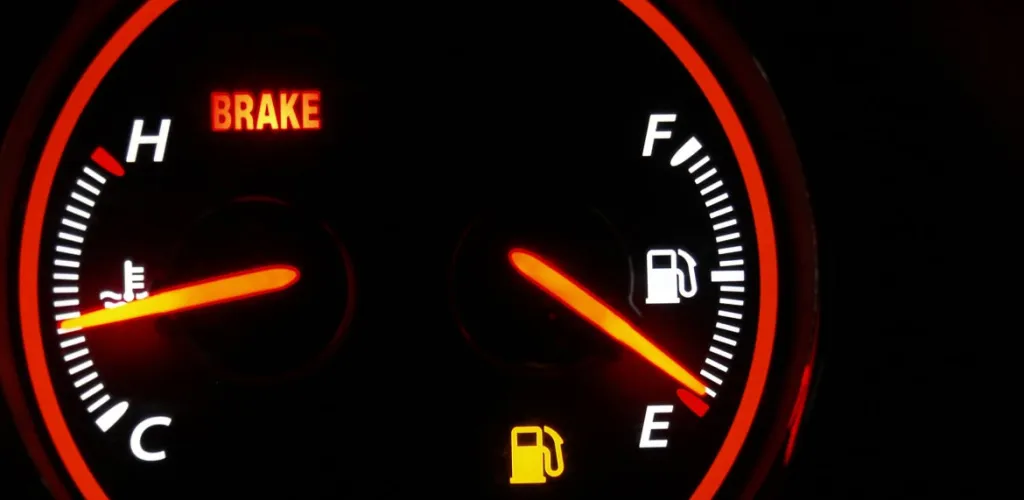
- Analog gauges show center is optimal, C cold, H hot; digital shows precise Celsius
- Common overheating causes: low coolant, clogged radiator, failed water pump, or stuck thermostat
- If overheating occurs: slow down, pull over safely, hazards on, cool for 15 minutes
Monitoring engine temperature is one of the fundamental aspects of keeping your vehicle healthy. While many people own a car, few truly understand the importance of this vital parameter and how to interpret correctly the signals from the cooling system.
Overheating can cause irreversible and costly damage, from head gasket wear to piston seizure. Therefore, understanding how the temperature monitoring system works and recognizing warning signs are essential for any responsible driver.
How to read temperature gauges
Analog gauges - classic interpretation
Most vehicles are equipped with analog gauges that show a simple dial, usually marked with “C” (Cold) and “H” (Hot). Many also use a color system: blue for low temperatures, a green or neutral zone for normal operation, and red for dangerous temperatures.
Correct interpretation:
- Center position: The engine is operating at its optimal working temperature
- Cold zone (C): Normal at cold start, especially in winter. Modern engines do not require prolonged warming up
- Hot zone (H): Emergency situation — stop the engine immediately and investigate the cause
Digital displays - numerical precision
Newer vehicles are equipped with digital indicators that show the exact temperature in degrees Celsius. This precision allows for more accurate monitoring of the engine’s condition.
Normal temperature ranges:
- Optimal operating temperature: 90-110°C
- Upper acceptable limit: 110-120°C (under thermal stress conditions)
- Danger zone: Above 120°C – risk of overheating
During aggressive driving, temperatures around 115-120°C may appear temporarily, but should quickly return to normal values. Constantly exceeding these limits typically triggers audible or visual alarms.

Main causes of engine overheating
Understanding the causes of overheating can help you prevent these costly situations:
Cooling system problems
- Low coolant level: The most common cause
- Clogged radiator: Buildup of dirt or corrosion
- Water pump failure: Circulates coolant inefficiently
- Stuck thermostat: Does not open at the correct temperature
Mechanical problems
- Faulty electric cooling fan: No longer cools the radiator
- Damaged head gasket: Coolant leaks into the engine
- Cracked radiator: Visible or hidden leaks
Emergency procedure in case of overheating
When you notice the engine temperature exceeds normal limits, follow these essential steps to prevent major damage:
First steps - safety first
- Do not abruptly stop the engine — slow down gradually and find a safe place to stop
- Turn on hazard lights and pull over safely
- Stop the engine and let it cool for at least 15-20 minutes
- Do not attempt to restart immediately — high temperature can cause further damage
Investigating the problem
Safety note:
- Do not lift the hood immediately — components are very hot
- Never remove the radiator cap on a hot engine — risk of serious burns from pressure
- Wear protective gloves if available

Basic checks
- Visual check of coolant level
- Look for obvious leaks under the car or in the engine bay
- Check the cooling fan operation (with the engine cold)
- Inspect the belts — a broken belt can stop the water pump
Refilling coolant – proper procedure
If the coolant level is low and you don’t observe major leaks:
- Wait for the engine to cool completely (minimum 30 minutes)
- Carefully open the expansion tank cap, not the radiator cap
- Top up gradually with a 50:50 mix of coolant and demineralized water
- Start the engine and monitor the temperature closely
Note: If the temperature quickly returns to the danger zone, stop immediately and contact a specialist. Forcing it in this situation can lead to engine seizure.

When to call a professional
Some situations require the intervention of a qualified mechanic:
- Overheating recurs after topping up coolant
- Large coolant leaks are observed
- The engine makes unusual noises
- White smoke comes from the exhaust (possible head gasket failure)
- Coolant color is brown or contains particles
Preventing overheating – preventive maintenance
Regular checks
- Coolant level check – monthly
- Coolant replacement – per maintenance schedule
- Radiator cleaning – yearly or as needed
- Thermostat check – if symptoms of improper operation
Early warning signs
- Slow rise in temperature while in traffic
- Coolant level drops frequently
- Electric fan starts frequently
- Coolant smell inside the cabin
Careful monitoring of engine temperature and prompt response to overheating signs can save you thousands in costly repairs. An overheated engine left unaddressed can require a full replacement, which is a major investment for any vehicle owner.
Remember that the engine cooling system is a complex system that requires regular attention. Preventive maintenance and understanding the signals your vehicle sends are key to long, trouble-free operation.