- Check antifreeze level and concentrate to 50:50 for -37°C protection.
- Inspect cooling hoses, clamps, and radiator for cracks or swelling.
- Use winter tires not older than 5–6 years; ensure tread at least 4 mm.
- Check tire pressure in cold; adjust monthly as temps drop.
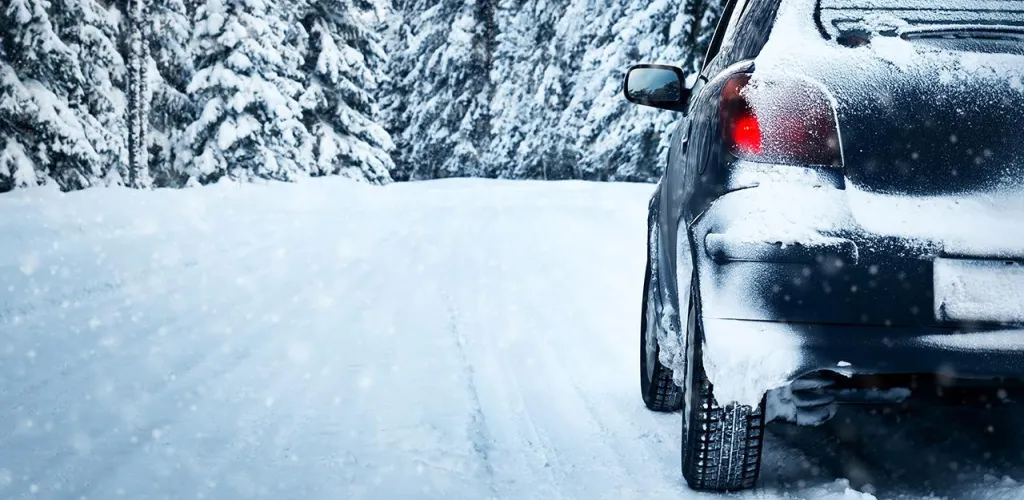
As temperatures drop and winter approaches, proper preparation of the car for winter becomes essential for safety and optimal operation of the vehicle. Harsh weather conditions, icy roads, and subzero temperatures place significant strain on all automotive systems, from the engine and transmission to tires and the battery.
A car unprepared for winter can become not only a source of inconvenience and unexpected costs but also a real danger to your safety and to other road users. Fortunately, with preventive checks and timely replacements, you can avoid most problems specific to the cold season.
Cooling system inspection and maintenance
Checking the antifreeze level
Make sure that antifreeze in your car is at the level recommended by the manufacturer. If you have too little antifreeze, the water in the cooling system can freeze, causing cracks in the radiator, water pump, or even in the engine block—damages that can cost thousands of euros.
Checking the antifreeze concentration
It’s not enough to check only the level—the antifreeze concentration is just as important. The best protection is achieved with a 50:50 mixture of antifreeze and distilled water, which provides protection down to -37°C. An antifreeze tester or a refractometer can help you determine the exact concentration.
Inspecting the system components
Take advantage of this check to visually inspect the cooling hoses, hose clamps, and radiator condition. Cracked or swollen hoses should be replaced before the first freeze.
Tires - the critical element for winter safety
Checking tire age
First, ensure your tires are winter tires and that they are not older than 5-6 years. You can find the tire age by reading the DOT code stamped on the sidewall: DOT 3216 means week 32 of the year 2016 as the date of manufacture. After this age, the rubber compounds begin to degrade, significantly reducing grip.
Checking wear and tread depth
Check the wear of tires using the 1-euro coin method - if the band of the coin is visible on the edge, the tread depth is too low for safety. For winter, a minimum tread depth of 4 mm is recommended, even though the legal limit is 1.6 mm.

The tread pattern provides grip with the road by channels that evacuate water and snow. Insufficient tread depth drastically reduces grip and control on slippery surfaces.
Tire pressure in winter
Lower temperatures reduce tire pressure by about 0.1 bar for every 6°C drop. Check and adjust the pressure monthly, preferably when the tires are cold.

Braking system - safety first
Checking pads and discs
Consult a specialist mechanic to check your entire braking system. In winter, stopping distances increase significantly, and a deficient braking system can become lethal.

ABS functionality
Ensure the ABS system is functioning perfectly - winter is the most demanding period for this safety system. A defective ABS on icy roads can be the difference between an avoided accident and tragedy.
Brake fluid
Check the level and condition of the brake fluid. It absorbs moisture over time, and at very low temperatures it can freeze in the lines, blocking the braking system.
Battery - the car’s electrical heart
The impact of cold on the battery
Cold weather has a devastating effect on car batteries. At -18°C, a battery loses about 50% of its capacity, and if your battery is already 3-4 years old, the risk of failure increases exponentially.
Professional testing
Call in a car electrician to test the battery with specialized equipment. They can measure not only voltage but also actual storage capacity and cold-cranking amps (CCA).
Battery maintenance
Clean the terminals from corrosion and apply grease to prevent oxidation. Check terminal tightness—a loose connection can cause starting problems.
Windshield Cleaning System
Windshield Wipers
If a harsh winter is forecast, you can opt for winter-specific wipers, which have a robust construction that prevents ice buildup and cleans the windshield more effectively of snow and ice.
Windshield washer fluid
Immediately replace the windshield washer fluid with a winter formula that has a freezing point below -25°C. Summer fluid freezes at 0°C and can damage the spray pump, clog the spray nozzle, or even crack the reservoir due to ice expansion.
Diesel engine starting system
The importance of glow plugs
For diesel car owners, checking the glow plugs is crucial. Diesel fuel auto-ignites at temperatures above 800°C, and in winter conditions these temperatures are reached with difficulty in the combustion chamber during the first minutes of operation.
Glow plugs preheat the combustion chamber, helping ignite the fuel-air mixture. A faulty glow plug can make starting the engine at subzero temperatures impossible.
Signs of a faulty glow plug
If the engine starts hard in the morning, smokes excessively at startup, or runs unevenly in the first minutes, one or more glow plugs may be faulty and require replacement.
Additional safety checks
Heating system
Test the heating and defogging system—the fogged windshield can reduce visibility and increase the risk of an accident.
Tires and chains
If you live in mountainous areas or with heavy snowfall, consider investing in snow chains or studded tires where legislation allows.
Emergency kit
Complete your emergency kit with:
- jumper cables
- folding shovel
- windshield de-icer
- candles and matches
- a blanket
- non-perishable food
- water
Conclusion
Winter car preparation is not just a precaution, but a necessity for your safety and that of your family. The investment in preventive checks and replacements is far smaller than the cost of a major repair or, worse, the consequences of an accident.
Schedule these checks at the start of autumn, before the weather worsens and garages become crowded. A well-prepared car for winter gives you the peace of mind that you can handle adverse weather conditions.