- Regular oil changes every 10,000–15,000 km, or annually for most engines.
- Check oil level monthly; don’t rely on sensors alone for accuracy.
- Brake maintenance: replace pads/discs and fluid on schedule; watch for symptoms.
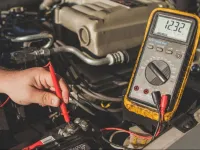
- Selecting a trustworthy mechanic ensures proper diagnostics and transparent pricing.
Car care is similar to personal health care — it requires constant attention and preventive measures. Proper maintenance not only prevents costly repairs and unplanned service visits, but also preserves the vehicle’s value over the long term.
Avoiding expensive repairs and wasted time on scheduling, trips, and waiting can be achieved through simple, consistent preventive measures. Below, we present the most important aspects for keeping your car in optimal condition.
Regular engine oil change
Engine oil is the vital element that ensures the engine runs optimally. Without proper oil, metal components wear prematurely and the engine cannot operate efficiently.
Optimal change interval:
- 10,000–15,000 km or annually for most modern engines
- 7,500–10,000 km for high-mileage engines (over 200,000 km)
- Don’t rely on extreme manufacturer recommendations like 30,000 km
Checking oil level:
- Monthly for normal use
- Weekly for long trips or high-mileage vehicles
- Always when the engine is cold for an accurate reading
- Use only oils that meet the specifications in the manual
Important: Oil-change sensors can be faulty — don’t rely on them alone.
Brake system maintenance
The braking system is vital for safety and requires constant attention for optimal operation.
Signals that indicate a need for inspection:
- Metallic squeal when applying the brakes
- Vibrations in the pedal or steering wheel while braking
- Increased braking distance
- Soft pedal that sinks toward the floor
- Lateral pull of the vehicle when braking
Components requiring periodic replacement:
- Brake pads: at 25,000–40,000 km (depends on driving style)
- Brake discs: at 50,000–80,000 km
- Brake fluid: every 2 years or 40,000 km
- Calipers and flexible hoses: annual inspection
Attention: For any brake issues, consult a qualified specialist immediately.
Dashboard warning lights monitoring
Dashboard indicator lights are the vehicle’s early warning system.

Proper behavior when warning lights appear:
- Consult the owner’s manual to understand the meaning
- Assess urgency — some lights indicate immediate serious problems
- Schedule a check at a qualified service
- Document symptoms to aid diagnosis
Warning lights that require immediate stop:
- Engine temperature (overheating)
- Oil pressure (risk of engine seizure)
- Charging system (alternator fault)
- Braking system (risk of accident)
Selecting a trustworthy mechanic
A qualified, reliable specialist is a long-term investment in your vehicle’s health.
Criteria for choosing a mechanic:
- Recommendations from owners of similar cars
- Certifications and brand-specific qualifications
- Modern and up-to-date diagnostic equipment
- Transparency in communication and pricing
- Warranty on work performed
What to ask of the mechanic:
- Clear explanations of identified problems
- Detailed estimates before starting work
- Complete service log after each intervention
- Keeping replaced parts for verification
Exterior and interior care
The vehicle’s visual appearance directly affects resale value and reflects overall care.
Maintaining the body:
- Weekly wash to remove salt and dirt
- Semi-annual waxing for paint protection
- Repair scratches promptly to prevent rust
- Park in shade when possible
- Underbody protection against road salt
Interior care:
- Regular vacuuming to remove abrasive particles
- Clean upholstery with specialized products
- Protect seats with quality covers
- Keep the interior clean — a tidy interior indicates consistent care
Tire condition monitoring
Tires are the only contact patch with the road and are crucial for safety and fuel efficiency.
Regular checks required:
- Inflation pressure per specifications (monthly)
- Even wear — check tread wear indicators
- Visible damage — cracks, bulges, embedded objects
- Tread depth — legal minimum 1.6 mm, recommended 3 mm
Practices to maximize durability:
- Rotate tires every 10,000 km
- Wheel alignment annually or when wear is uneven
- Wheel balancing when mounting new tires
- Avoid overloading the vehicle
Technical tip: Tires with tread depth under 3 mm perform worse on wet pavement.
Ensuring optimal visibility
Clear visibility is essential for safe driving in all weather conditions.
Lighting systems:
- Check all bulbs monthly for proper operation
- Adjust headlights after bulb replacement
- Clean reflectors for maximum brightness
- Replace in pairs for uniform illumination
Windshield washer system:
- Fill fluid with antifreeze product in winter
- Replace wiper blades annually
- Clean nozzles for even spray
- Check the wiper motor
Repairing windshield cracks:
- Immediate action for cracks under 5 cm
- Full replacement for larger damage
- Avoid rapid temperature changes after repairs
Checking fluid levels
Technical fluids are essential for the optimal operation of all vehicle systems.
Fluids to check weekly:
- Coolant — prevents engine overheating
- Power steering fluid — ensures easy maneuvering
- Brake fluid — vital for system operation
- Transmission fluid — for smooth gear changes
- Windshield washer fluid — for clear visibility
Warning signs for fluids:
- Decreasing level without apparent cause (possible leaks)
- Color change (contamination or degradation)
- Changed consistency (too viscous or too fluid)
- Unusual odors (burning or chemical degradation)
Important: Ask the mechanic to explain how to check these levels for personal monitoring.
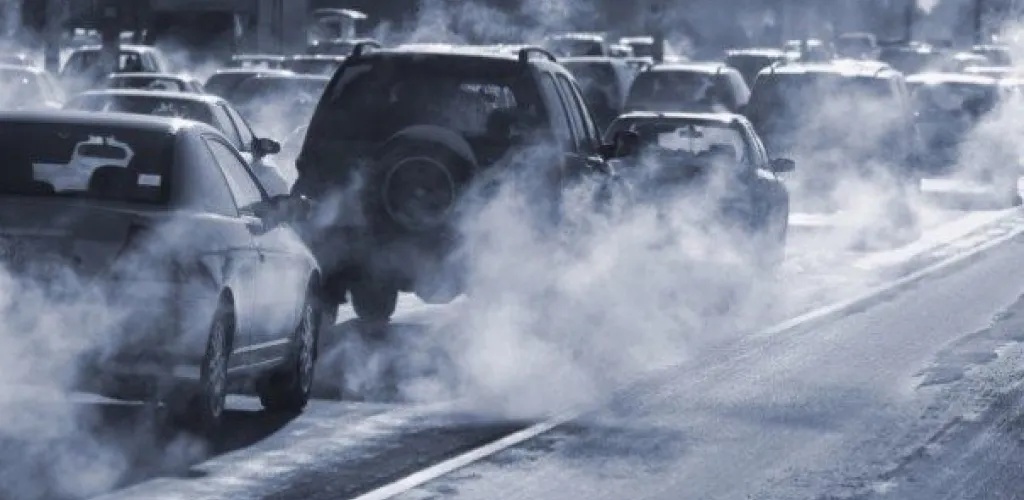
Meeting emission requirements
Depending on local laws, periodic checks of gas emissions may be required.
Essential components for emissions:
- Catalytic converter – reduces harmful emissions
- Diesel particulate filter (DPF)
- Oxygen sensor (lambda sensor) – optimizes the air-fuel mix
- EGR system – recirculates exhaust gases
Maintaining anti-pollution systems:
- Use quality fuel to prevent deposits
- Periodic regeneration of the particulate filter
- Annual professional diagnostics
- Replace filters according to the maintenance program
Creating a preventive maintenance schedule
A structured plan helps ensure you don’t miss critical maintenance aspects.
Monthly program:
- Check tire pressure
- Inspect fluid levels
- Clean interior and exterior
- Test lighting systems
3-month program:
- Battery and terminals condition
- Check drive belts
- Inspect air and cabin filters
- Visual inspection of exhaust system
Semiannual program:
- Brake system check
- Inspect suspension and shocks
- Check exhaust system condition
- Test air conditioning operation
Annual program:
- Comprehensive technical review
- Vehicle inspection (ITP) for eligible vehicles
- Change fluids per specifications
- Professional electronic systems check
Seasonal vehicle preparation
Winter preparation:
- Winter tires with adequate tread (minimum 4 mm)
- Battery check — cold reduces capacity by 20–30%
- Antifreeze at the recommended ratio
- Complete emergency kit: tow rope, jumper cables, flashlight
- Check heating and defrosting systems
Summer preparation:
- Air conditioning system — check pressure and operation
- UV protection for dashboard and seats
- Extra cooling system check
- Windshield washer fluid for bugs and dust
- Tire pressure check — increases with temperature
Investments that add long-term value
Valuable upgrades:
- Modern, certified anti-theft systems
- Genuine manufacturer accessories
- Quality audio system (without extreme modifications)
- Complete documentation — invoices, service history
- Manuals and spare keys complete
What to avoid:
- Extreme modifications that affect reliability
- Aggressive engine tuning
- Aftermarket accessories of questionable quality
- Neglecting documentation for completed work
By applying these preventive maintenance methods, you’ll keep your vehicle in excellent condition for as long as possible. The cost of regular maintenance is always lower than that of major emergency repairs, while also giving you the security of a reliable car.
-200x150.webp)