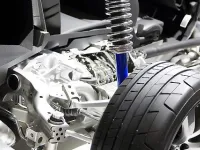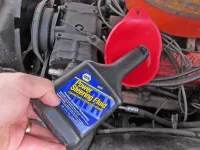
- Regular maintenance includes measuring steering play, joint checks, steering gear adjustments, toe angle, bolts, lubrication.
- Maintenance intervals: at 10,000–15,000 km, at wear signs, annually above 100,000 km, after impacts.
- Procedure: flat surface, straight; turn to limits; measure travel; play no more than 15 degrees.
- Hard steering, wandering, wheel oscillation, pulling, shocks; unusual noises, creaking, hydraulic leaks.
The steering system of a car is one of the most important safety components on the road, consisting of numerous rods, joints, and mechanisms that require regular maintenance to function optimally. A faulty steering can compromise vehicle control and endanger the safety of passengers.
Maintaining the steering system in good condition involves several specific operations that must be performed periodically to prevent major failures and to ensure precise handling of the vehicle. A steering system in perfect working order guarantees not only driving comfort but also the safety of all occupants of the vehicle.
Steering system maintenance operations
Steering system maintenance comprises measuring steering wheel play, checking play in the joints, adjusting the steering gear (steering box), checking and adjusting the steering angle geometry of the wheels and pivots (steering geometry or toe angle), tightening the steering box mounting bolts, tightening the ball joint, and lubrication according to the lubrication schedule.
Maintenance intervals
These operations should be performed at regular intervals:
- At each technical inspection (10,000–15,000 km)
- At the first signs of wear of components
- Annual for vehicles with over 100,000 km travelled
- After any strong impact with a curb or other obstacles
How to check steering play
Checking steering play is a fundamental operation that can be done relatively simply and should be performed under specific conditions:
Verification procedure
- Position the vehicle on a flat, straight surface
- Bring the car to a straight-line driving position
- Turn the steering wheel to the right then to the left to the maximum positions where the wheel still moves without turning the wheels
- Measure the travel - the play should not exceed 15 degrees
Interpreting the results
Steering play can be caused by wear of the steering mechanism joints or components of the steering box. A play that is too large may indicate:
- Wear in the steering tubes
- Damage to the tie rod ends
- Problems with the mechanism inside the steering box
- Play in the bearings of the steering column
Signs that the steering is faulty
There are several symptoms that indicate problems with the steering system and should not be ignored:
Mechanical symptoms
- The steering wheel feels much harder to move – may indicate issues with assistive function or mechanical blockages
- The steering wheels oscillate at low and high speeds – a sign of wear in components
- The steering pulls to one side – may indicate problems with wheel geometry or uneven wear
- The steering transmits shocks from the wheels to the steering wheel – faulty steering system damping
Acoustic and visual symptoms
- Unusual noises coming from the wheels – an indicator of wear in bearings or joints
- Creaking when turning sharply – wear in the tie rod ends or spherical joints
- Hydraulic oil leaks – deterioration of the power steering system
- Vibrations in the steering wheel during braking – warped brake discs
These symptoms should not be ignored, as they can quickly evolve into major failures that compromise safety.

Why the steering wheel is hard to turn: causes and solutions
The hard-to-turn steering is one of the most common steering system problems and can have several distinct technical causes:
Main mechanical causes
Problems with internal components
- High friction in joints – requires professional lubrication or complete replacement
- Abnormal friction in the steering box – may require tolerance adjustment or major repair
- Friction at the pivots and bushings – wear of bushings or bearings requiring replacement
- Deformations of the steering shaft – requires dimensional checks and possible replacement
Failures of the power steering system
- Low hydraulic oil level – refill and check for leaks
- Faulty hydraulic pump – replacement or repair
- Worn hoses – replacement and system bleed
Tire and wheel issues
Pressure and sizes
- Insufficient or unequal pressure – check and adjust to manufacturer specifications
- Uneven tire wear – may indicate geometry or suspension problems
- Tires of different sizes – replace with identical tires per specifications
Balancing and alignment
- Unbalanced wheels – perform professional balancing
- Incorrect geometry – adjust caster, camber, and convergence angles
Solutions and repairs
All mechanical faults can be repaired only in specialized auto workshops, requiring specific equipment and knowledge. In tire-related issues, you can often resolve them by checking and adjusting pressure or replacing tires with identical models.
Causes of car balance and oscillations
When the car oscillates or sways, the behavior can be caused by several vehicle systems working together:
Tire and wheel issues
Pressures and sizes
- Incorrect tire pressures – check monthly according to the vehicle label
- Tires of different sizes – replace with identical tires per specifications
- Unbalanced wheels – require professional balancing with balancing weights
Wear and damage
- Uneven tire wear – may indicate incorrect geometry
- Bulges or cracks in the tire – replace immediately
- Bent or cracked rims – professional repair or replacement
Wear of steering system components
Joints and linkages
- Steering components are worn – tie rod ends, spherical bearings, steering linkage
- Wheel bearings have excessive play – urgent replacement for safety
- Front axle misalignment – check and perform professional geometry alignment
Actuation mechanisms
- Worn steering box – excessive internal play requiring repair
- Deformed steering column – check and possible replacement
- Damaged flexible coupling – replacement to eliminate vibrations
Suspension problems
Elastic components
- Faulty suspension – broken or snapped springs, defective shock absorbers that no longer control oscillations
- Worn stabilizer links – replacement to eliminate sway in corners
- Worn suspension bushings – replacement to restore geometry
Structural deformations
- Bent frame – may result from an accident and requires professional inspection
- Incorrect wheel geometry – requires professional adjustment with specialized equipment
- Displaced mounting points – bodywork repair or component replacement
Recommendations for preventive maintenance
To avoid major steering system failures and to maintain driving safety, follow these essential recommendations:
Monthly checks
- Check tire pressure monthly according to the vehicle label
- Visually inspect tires for uneven wear
- Observe any changes in steering behavior
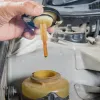
- Check hydraulic oil level in cars with hydraulic power steering
Periodic maintenance
- Perform the technical inspection at the manufacturer’s recommended intervals
- Periodic check of steering system components
- Have wheel alignment done every 20,000–30,000 km or when you replace tires
- Balance wheels at every tire replacement or when vibrations appear
General recommendations
- Do not ignore unusual noises or vibrations while driving
- Avoid violent impacts with curbs or large potholes
- Use quality tires and follow the manufacturer’s specifications
- Consult a specialist promptly at the first signs of a defect
Costs and benefits
Preventive maintenance is always cheaper than major repairs and enhances driving safety. A preventive check costs between 50–100 lei, while replacing worn components can cost between 300–1,500 lei, depending on the defect complexity and vehicle make.
A steering system in optimal condition contributes to:
- Active safety through precise vehicle control
- Driving comfort by reducing vibrations and noises
- Fuel economy by lowering rolling resistance
- Tire longevity through even wear