- Regular oil changes protect engine reliability, longevity, and performance.
- Four main oil types: mineral, synthetic, semi-synthetic, high-mileage.
- Follow owner’s manual for viscosity, standards, and change interval.
- For new or under-warranty engines, follow manufacturer specs; high-mileage oils for older engines.
Choosing the right engine oil is one of the most important decisions for your car’s engine health. From traditional mineral oil to advanced synthetic blends, each type plays a specific role in maintaining optimal engine performance.
This guide explains how oil types differ, how to select the right one for your vehicle, and practical maintenance tips to extend engine life.
Importance of Regular Oil Changes
Oil change is necessary to ensure reliability, longevity and performance of the engine. Engine oil fulfills several vital functions:
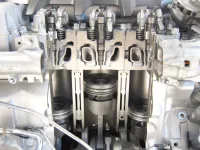
- Lubricates the moving components of the engine
- Cools overheated parts
- Cleans impurities and metallic particles
- Prevents corrosion and premature wear
- Maintains sealing between piston and cylinder
Main types of engine oil
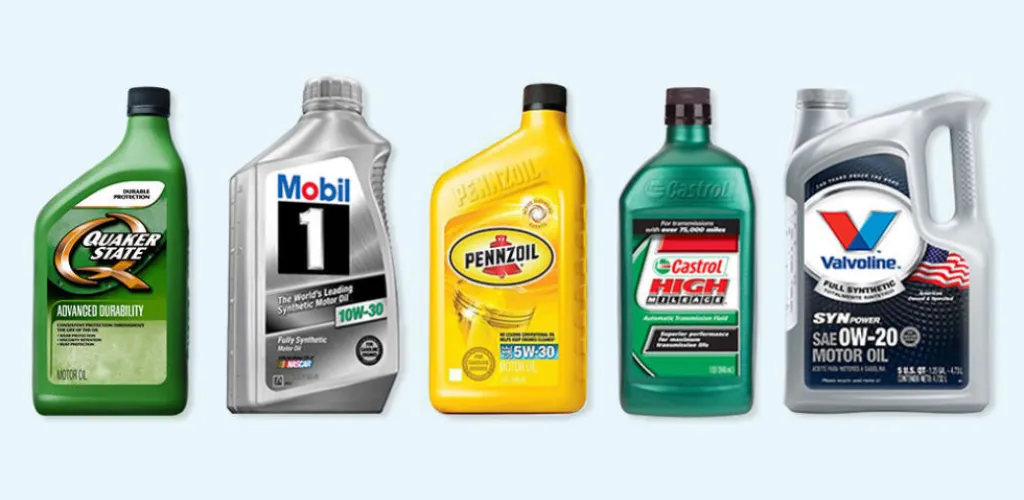
There are four main types of oil: mineral, synthetic, semi-synthetic and high-mileage. The type of oil you choose depends on the manufacturer, model and engine of your car.
Mineral oil
Mineral oil is the traditional lubricant form, derived directly from refined petroleum. It has the following characteristics:
- Lower cost compared to synthetic alternatives
- Suitable for older engines or simpler technology
- Shorter change interval (5,000–7,500 km)
- Adequate protection at moderate temperatures
Synthetic oil
Synthetic oil is produced through complex chemical processes and offers superior performance:
- Improved thermal stability
- Superior protection at extreme temperatures
- Extended change interval (10,000–15,000 km)
- More effective engine cleaning
- Better flow at low temperatures
Semi-synthetic oil
Semi-synthetic combines the advantages of both types:

- Balance between price and performance
- Ideal for engines with towing capability
- Improved protection compared to mineral oil
- Suitable for mixed driving conditions
High-mileage oil
Specially formulated for vehicles with high mileage:
- Recommended for cars with over 120,000 km
- Contains additives that reduce oil losses
- Improves sealing performance of worn gaskets
- Reduces exhaust smoke in older engines
How to choose the right oil
Consult your owner’s manual
Look in the owner’s manual to see what oil you need. Most cars use mineral or synthetic oil, and the manual will specify:
- Recommended viscosity (e.g., 5W-30, 10W-40)
- Required quality standards (API, ACEA)
- Recommended change interval
- Engine oil capacity
Considerations for each type
For new or under warranty engines:
- Strictly follow the manufacturer’s recommendations
- Use only oils with exact specifications
- Do not experiment with different types
For high-mileage engines:

- Consider high-mileage oils such as CASTROL EDGE High-Mileage
- These are often recommended for cars with over 120,000 km
- Help improve performance of older engines
Advantages of synthetic oil
Synthetic oils, in particular CASTROL EDGE, can extend the interval between oil changes, since they tolerate longer engine operation than mineral oil.
The main benefits include:
- Increased durability: Resists thermal degradation
- Long-term savings: Although initially more expensive, the extended interval offset
- Steady performance: Maintains optimal viscosity for longer
- Improved protection: Reduces wear on engine components
If you struggle to keep a regular oil-change calendar, you should consider switching to synthetic oil.
Recommendations for different scenarios
For mineral oil
If your car specifies mineral oil, choose CASTROL GTX to protect against deposits. This oil offers:
- Protection against deposit formation
- Efficient engine cleaning
- Excellent price-performance ratio
- Wide market availability
For flexibility in choice
Owners of cars that can use both oil types can switch from mineral to synthetic and back, and even mix both oils without harming the car.
However, it is important to:
- Always check the owner’s manual
- Consult a technician before making any change
- Avoid frequent mixing of different oil types
- Monitor engine performance after the change
Factors to consider
Driving conditions
- City vs. highway: City driving requires more frequent oil changes
- Extreme temperatures: Synthetic oil performs better
- Frequent towing: Semi-synthetic or synthetic are preferred
Age and condition of the engine
- New engines: Follow the manufacturer’s recommendations
- Mid-mileage engines: Synthetic oil can improve performance
- Old engines: High-mileage may be the best option
Conclusion
Choosing the right engine oil is not just a matter of price, but an investment in the longevity and performance of your car. Whether you opt for economical mineral oil, high-performance synthetic, or high-mileage formulas, the most important is to respect the manufacturer’s specifications and maintain a regular change schedule.
Always consult the owner’s manual and don’t hesitate to seek advice from a specialist to make the best decision for your specific engine.
Sursa foto: carponents.com