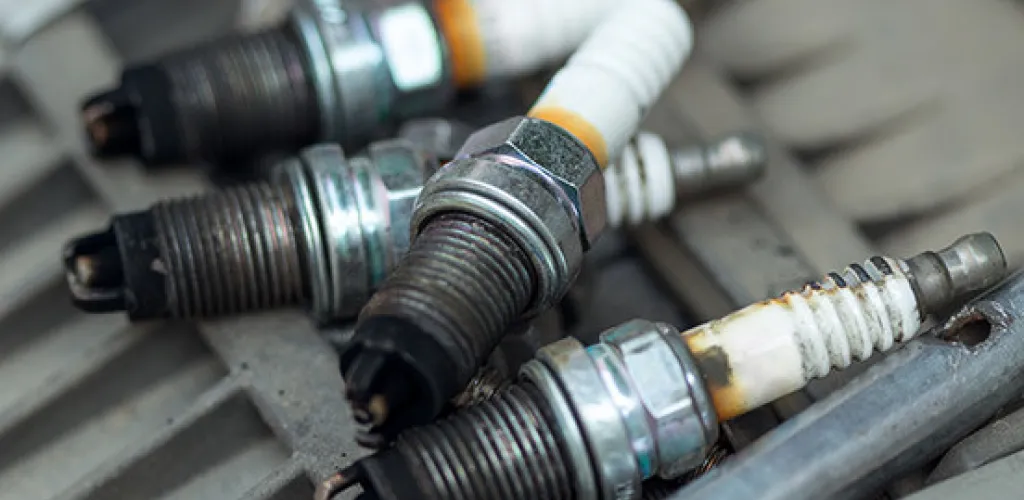

- Slow acceleration and power loss from worn spark plugs
- Increased fuel consumption due to inefficient combustion
- Hard starting and hesitation when pulling away
Defective or improper spark plugs can transform a high‑performing car into a vehicle that accelerates slowly, consumes more fuel, and runs unevenly. Slow acceleration, loss of engine power, increased fuel consumption, hard starting, and hesitation when pulling away are all clear signs that spark plugs need attention.
Timely recognition of these symptoms and replacement of worn spark plugs can prevent more costly engine failures and restore the vehicle’s optimum performance.
The critical role of spark plugs in engine operation
Without a precise spark, ignition of the fuel in the combustion chamber wouldn’t be possible in gasoline engines that rely on spark ignition. Spark plugs are a critical component of the internal combustion engine, responsible for translating the electrical signal from the ignition coil into a spark that ignites the air–fuel mixture.
Important technical specifications
- Standard gap: 0.6–1.3 mm, depending on engine specifications
- Electrode materials: copper, platinum, or iridium for maximum durability
- Thermal rating: must correspond to the engine’s operating temperature
Good spark plugs enable efficient combustion of fuel, while faulty or defective spark plugs can cause serious problems, including the engine failing to start.
Maintenance and replacement schedule
Spark plugs are similar to engine oil, fuel filters, and air filters in that they require regular maintenance to keep the engine in optimal condition.
Recommended replacement intervals
- Copper standard spark plugs: every 30,000–50,000 km
- Platinum spark plugs: every 60,000–80,000 km
- Iridium spark plugs: every 80,000–120,000 km
Modern vehicles may use advanced ignition systems with long-life spark plugs, but regardless of manufacturer warranties, there are situations where a spark plug burns out or shows premature signs of failure due to:
- Poor fuel quality
- Fuel delivery problems
- Overheating of the engine
- Carbon deposits
3 main problems caused by defective spark plugs
1. Slow acceleration and power loss
Slow acceleration is one of the most common problems caused by a faulty ignition system. Modern engines rely on multiple sensors that inform the ECU (engine control unit) when to send electrical impulses to fire the spark plug.

How the problem manifests:
- The car accelerates more slowly than normal
- Delay in response to pressing the accelerator pedal
- Loss of power when shifting gears
- Vibrations and uneven operation
Technical cause:
A spark plug is made of materials that work together to produce a spark hot enough (about 20,000 V) to ignite the air–fuel mixture. When these materials wear out, the spark plug’s effectiveness is significantly reduced, affecting the vehicle’s acceleration.
Differential diagnosis:
- Clogged fuel filter
- Dirty or faulty injectors
- Faulty oxygen sensors
- Damaged ignition coil
2. Increased fuel consumption
Primary technical problem: When a spark plug doesn’t operate optimally, the electrode gap can be too small or too large compared with the manufacturer’s specifications.
- Incomplete combustion of fuel
- Non-optimal air–fuel mixture
- Energy losses during combustion
- Increased emissions of unburned hydrocarbons
Mechanic’s solution:
Many mechanics will first remove the spark plug, inspect it, and adjust the gap to factory specifications before deciding to replace it with a new spark plug.
Economic impact:
A 10–20% increase in fuel consumption can be directly attributed to worn spark plugs, translating into significant long-term costs.
3. Uneven driving and incorrect engine operation
Technical causes:
- Damaged spark plug wire
- Corroded or worn spark plug tip
- Carbon deposits on the electrodes
- Incorrect gap between electrodes
Observable symptoms:
- Intermittent misfiring sounds from the engine
- Vibrations at idle
- Sudden, uncontrolled accelerations
- White or blue exhaust emissions

Consequences of neglect:
- Increased exhaust emissions
- Reduced engine power
- Not only reduced fuel economy, but also a real loss of efficiency
- Catalytic converter damage due to unburned fuel
- Premature wear of other engine components
Recommendations for maintaining optimal performance
- Follow the manufacturer’s recommended replacement intervals
- Use only spark plugs with correct specifications for your vehicle
- Periodically check the spark plug gap
- Pay attention to early signs of wear
- Consult a qualified mechanic at the first sign of trouble
Early diagnosis and replacement of defective spark plugs can prevent costly repairs and keep the engine operating within optimal parameters.
Photo sources: mobiloil.com, bcl.co.za, carbrain.com