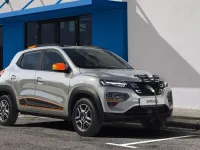
- Electric vehicles dominate sales in many countries, with Norway as a prime example.
- Tesla’s Berlin factory aims to produce up to 500,000 EVs yearly, shaping Europe.
- German manufacturers split strategy: hydrogen limited-series and rapid EV rollout.
- Volkswagen commits to battery-electric future; hydrogen not practical, says Diess.
The global automotive industry is undergoing the most comprehensive transformation in decades, dominated by the shift toward electric propulsion. This change is not only technological but also political, with a major impact on national economies and the strategies of established manufacturers.
Today, electric vehicles hold a significant share of total car sales in several countries, with Norway as the most representative example where electric cars make up the majority of newly sold vehicles. This trend reflects a profound shift in consumer preferences and environmental policies.
The Battle for Supremacy: Germany Faces a Tremendous Challenge
Transforming the global automotive fleet into an electrified one has become a major political issue in Europe, especially after Tesla’s decision to build a giant factory near Berlin. This investment has sparked a genuine competition between the American and European visions for the future of mobility.
Germany, the largest European auto power, finds itself in a paradoxical position. German manufacturers initially bet on hydrogen fuel cell technology, considering it the ultimate solution for the future. This technical approach was supported by German engineering expertise and the existing industrial infrastructure.
Nevertheless, Tesla’s massive investment and the commercial success of battery-electric models have changed the equation. Now, German manufacturers must rapidly regain ground in a market where Tesla has real chances to become the leader.
Tesla’s Aggressive Strategy on the European Continent
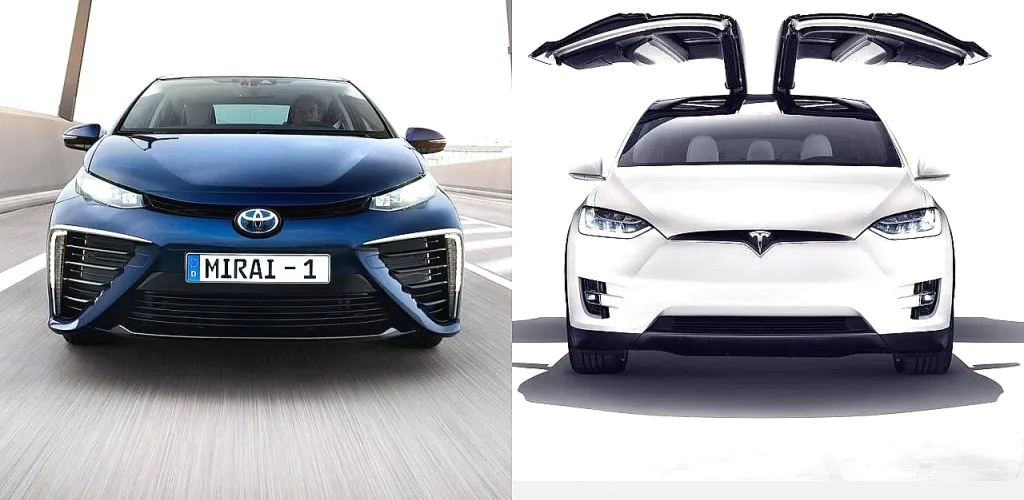
The Tesla Factory near Berlin is designed to produce hundreds of thousands of electric cars annually, with a maximum capacity of 500,000 vehicles. This impressive figure would place the plant among Europe’s most productive automotive facilities.
For Elon Musk, the choice of Germany was no accident. The country offers two major advantages:
- Know-how and industry specialists among the most experienced in the world
- The opportunity to demonstrate technological superiority right in the heart of Europe’s automotive industry
However, the project faces significant bureaucratic obstacles, especially from German environmental groups who view the factory’s activity as a threat to the local ecosystem.
Response from German Manufacturers
Facing this challenge, German plants adopt a dual strategy:
- Allocating funds for hydrogen-based limited-series vehicles, keeping alive the hope of a breakthrough technology
- Aggressive rollout of battery-electric models to address immediate market demand
Volkswagen Sets a Clear Course
The Volkswagen Group has taken a categorical decision: the future belongs to battery-electric vehicles. The current portfolio includes established models such as the VW ID.3, ID.4, and Skoda Enyaq, sold in impressive volumes.
Herbert Diess, Volkswagen’s CEO, stated unequivocally that hydrogen-powered cars are neither a practical solution nor an environmental one. From his perspective, the supremacy of the electric car is scientifically proven, and the company’s investments reflect this belief.

Toyota’s Distinct Vision: Diversity and Adaptability
While Americans and Germans clash over electric versus hydrogen, the Japanese take a more nuanced approach. Toyota produces simultaneously:
- Hybrid vehicles, combining electric propulsion with gasoline
- Fuel-cell vehicles, using hydrogen in an innovative way
The Mirai: Concrete Hydrogen Alternatives
The Toyota Mirai represents the mature implementation of hydrogen technology, offering a range of about 650 kilometers with only 5 kg of hydrogen. The Japanese philosophy emphasizes the need to produce a diverse range of vehicles, each tailored to the region and specific usage conditions.
Economic Analysis: Operating Costs
The financial comparison between the two technologies is revealing:
Toyota Mirai (hydrogen):
- Purchase price: higher than Tesla Model 3
- Full fuel cost (5 kg hydrogen): 80-90 euros
Tesla Model 3 (battery electric):
- Purchase price: more affordable
- Full charging cost: 9-10 euros
This significant difference in operating costs provides a strong argument in favor of battery-electric vehicles for the average user.
Energy Efficiency: The Crucial Point of the Debate
The fundamental difference between the two technologies appears in energy efficiency:
Lithium-ion battery electric vehicles:
- Energy efficiency: up to 80%
- Use energy stored directly
- Minimal losses in the conversion process
Hydrogen-powered vehicles:
- Energy efficiency: up to 35%
- Obtain energy via redox reactions
- Significant losses in hydrogen production, storage, and conversion
Alternative fuels:
- Energy efficiency: up to 20%
- The lowest efficiency of the three options
This translates into energy consumption up to three times higher for hydrogen cars than for electric ones to cover the same distance, a major disadvantage economically and ecologically.
2021: The Explosion of Electric Vehicle Sales
The year 2021 marked a turning point in EV adoption, with spectacular growth across the three major global markets:
China:
- Global leader
- 12% of total new vehicles sold
- Fastest growth in charging infrastructure
Europe:
- Worldwide second place
- Strong government support
- Strict emissions regulations
USA:
- Global third place
- Major investments in infrastructure
- Pro-federal policies
Global Top Manufacturers
- Tesla — undisputed global leader
- Volkswagen Group — the largest traditional automaker
- General Motors — aggressive in the North American market
Factors Driving Growth
The remarkable evolution of the electric-vehicle market is due to several converging factors:
- The global electrification trend of the vehicle fleet
- Massive government support for developing a pollution-free auto industry
- Subsidies and special programs for buyers in developed countries
- National incentive programs, including in Romania
The Future of Mobility: Electric, but with Challenges
The future is electric because it remains the clearest path to addressing the climate crisis. Global objectives are clear:
- Complete electrification of the road transport fleet
- Development of alternative fuels for maritime and aviation transport
- Drastic reduction of carbon emissions
Infrastructure Challenge
However, a major rise in the number of electric cars brings a new problem: inadequate infrastructure. This situation is also evident in Romania, where the imbalance between new-car sales and the pace of infrastructure development becomes increasingly evident.
Critical issues requiring attention:
- Insufficient grid capacity in urban areas
- Limited number of fast-charging stations
- Time needed to expand the infrastructure
- Massive investments required for modernization
Conclusion
The debate between electric and hydrogen vehicles appears to tilt decisively in favor of battery technology, supported by economic, efficiency, and rapid infrastructure developments. Nevertheless, the diversity of technological solutions remains important for different segments and specific applications of the global automotive market.
photo source: https://www.teslarati.com/