- P2028 flags EVAP temperature sensor circuit voltage fluctuations.
- PCM detects voltage fluctuations beyond limits and stores the code.
- Check Engine Light usually on; may show other EVAP codes.
- Common causes include faulty filler cap, sensor, canister, or wiring.
OBD2 code P2028 signals a fault in the EVAP temperature sensor circuit, characterized by oscillating voltage. This failure affects the monitoring of the evaporative emission control system temperature, a key component for meeting environmental standards.
The EVAP system plays a crucial role in preventing fuel vapor from being released into the atmosphere, capturing vapors and redirecting them to the engine for complete combustion. When the EVAP temperature sensor exhibits voltage fluctuations, it can compromise the efficiency of the entire emissions-control mechanism.
What P2028 Indicates
The P2028 code indicates that a component in the EVAP control system is no longer operating within normal parameters. The EVAP system consists of multiple interconnected components:
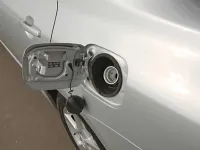
- Fuel filler cap
- Fuel and vacuum lines
- Activated charcoal canister
- Purge valve
- Pressure, flow, and temperature sensors
- Electrical wiring and connectors
- Fuel tank with venting system
Each component contributes to the system’s optimal operation, and a fault in one can generate specific error codes.
Code Triggering Mechanism
The PCM (Powertrain Control Module) constantly monitors variations in pressure, flow, and temperature in the EVAP system through voltage signals. For the temperature sensor, the PCM receives a voltage signal corresponding to the measured temperature in the system.
When the PCM detects voltage fluctuations that exceed the manufacturer’s programmed limits, it automatically stores the P2028 code and activates the Check Engine Light. Codes stored without illumination of the light are classified as “pending codes” and indicate intermittent faults.
Symptoms Specific to P2028
In most cases, the only visible manifestations are:
- The P2028 error code stored in the ECU memory
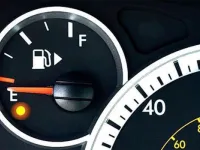
- The Check Engine Light illuminated on the vehicle dash
- Possible simultaneous presence of other EVAP codes (P0440-P0459)
Unlike other automotive faults, P2028 does not directly affect engine performance or fuel economy. However, neglecting this issue can lead to failure in the emissions test.
Common Causes of P2028
Faults that can generate this code include:
Mechanical issues:
- Defective or improperly fitted fuel filler cap
- Faulty purge control solenoid
- Cracked or blocked activated carbon canister
- Vacuum or fuel hoses cracked or damaged
- Corroded or damaged electrical connectors
Electrical issues:
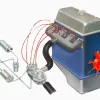
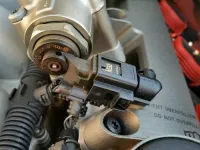
- Faulty EVAP temperature sensor
- Damaged or open/shorted wiring
- Problems with power supply
- Defective PCM (very rare)
Maintenance issues:
- Improperly closed fuel cap
- Contamination in the system
- Normal wear of components
Common Diagnostic Mistakes
Techs often make the following mistakes:
- Unnecessary replacement of expensive components (canister, sensors) without diagnosing the real cause
- Failing to check the fuel cap as a first measure
- Ignoring vacuum leaks in favor of replacing components
- Incomplete electrical circuit diagnosis
Detailed Diagnostic Process
Preliminary Checks
Correct diagnosis of P2028 requires a methodical approach and the right tools:
Tools required:
- Professional OBD2 scanner
- Digital multimeter
- Smoke machine for leak detection
- Vacuum gauge
- Basic teardown tools
Diagnostic Steps
1. Initial Visual Inspection Start with a careful check of all visible components:
- Inspect all wiring and connectors for signs of corrosion, damage, or disconnection
- Check condition of vacuum and fuel lines
- Inspect the fuel filler cap for defects or improper installation
- Inspect the activated carbon canister for cracks or damage
2. Reading and Analyzing Codes Connect the OBD2 scanner and:
- Record all stored codes, including pending ones
- Note freeze-frame data for the context of fault occurrence
- Check the history of codes for recurring problems
- Analyze real-time EVAP system parameters
3. Fuel Cap Test
- Remove and reinstall the fuel cap, ensuring it closes fully
- Check the gasket for damage or deformation
- Test the locking mechanism and pressure
- Drive the vehicle to see if the code reappears
4. Smoke Machine Test To detect vacuum leaks:
- Start the engine and let it warm up
- Listen for purge solenoid operation
- Introduce smoke into the vacuum system via the intake hose
- Visually inspect all connections for smoke leaks
- Note that the carbon canister has a normal vent channel
5. Electrical Components Check
- Test wiring continuity with the multimeter
- Measure the EVAP temperature sensor resistance per manufacturer specs
- Check sensor power supply voltage
- Inspect the system grounding
6. Functional Testing of Components
- Check the purge solenoid with vacuum and voltage
- Test the carbon canister by shaking (it should not rattle with particles)
- Measure vacuum at both ends of the canister
- Check the operation of the fuel tank vent valve
Repair Procedures
Common Repairs
For wiring issues:
- Repair or replace damaged wires using original connectors and materials
- Ensure all connections are clean and tight
- Apply electrical contact spray if needed
For faulty components:
- Replace the temperature sensor if tests indicate a fault
- Replace the carbon canister if clogged or cracked
- Repair or replace damaged hoses with original parts
For system leaks:
- Identify all leak points with the smoke machine
- Replace worn gaskets and O-rings
- Tighten loose connections according to torque specifications
Final Verification
After any repair:
- Clear all error codes from memory
- Perform a test drive of at least 15-20 minutes
- Monitor system parameters with the scanner
- Verify that P2028 or other EVAP codes are repaired
Estimated Repair Costs
Costs can vary significantly depending on the exact cause:
Components and indicative prices:
- EVAP temperature sensor: 150-300 RON
- Activated carbon canister: 200-500 RON
- Purge solenoid: 100-250 RON
- Fuel cap: 50-150 RON
- Vacuum hose: 20-80 RON/m
Labor for diagnostics and repairs: 150-400 RON/hour
EVAP Problem Prevention
To prevent recurrence of P2028:
- Periodically check the fuel filler cap and replace at the first signs of wear
- Avoid fueling with a full tank (stop when the nozzle first clicks off)
- Perform scheduled maintenance per the manufacturer’s recommendations
- Use high-quality fuel to prevent system clogging
- Annually check hoses and connectors around the tank area
Diagnosing and repairing the P2028 code requires a methodical approach and specialized knowledge. Although it may seem minor, neglecting this fault can lead to more serious EVAP system issues and emissions non-compliance.