- Regular, simple checks prevent costly repairs and extend vehicle life.
- Weekly checks cover tire wear, tread depth, defects, and embedded objects.
- Monthly checks include lighting, brake lights, and dashboard warning indicators.
- Critical warnings such as oil pressure, coolant, battery, and parking brake require immediate attention.
Preventive maintenance is the key to a safe and reliable car over the long term. Most serious problems can be avoided with regular, simple checks that do not require advanced mechanical knowledge. These routine inspections will help you identify issues at early stages and avoid costly repairs.
With a well-structured check schedule, you can extend the vehicle’s life and keep safety at the wheel.
Weekly mandatory checks
Tire inspection
- Uniform wear: The tread should wear evenly across the surface. Uneven wear can indicate alignment issues, faulty shocks, or improper inflation
- Tread depth: The legal minimum is 1.6 mm, but for optimum safety, replacement at 3 mm is recommended
- Visible defects: Check for punctures, cuts, bulges, or cracks on the sidewalls
- Embedded objects: Nails, screws or other foreign bodies can cause slow punctures
Tire pressure
Tire pressure affects safety, comfort, and fuel efficiency. The correct values can be found on the driver’s door label or in the owner’s manual.
Rules for checking:
- Measure the pressure when the tires are cold (before starting the engine or after a maximum of 3 km)
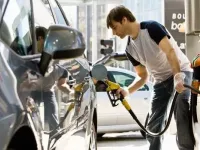
- For heavy daily use: check it at the gas station every time
- Before long trips: always check pressure and the spare tire
- Pressure naturally drops by 0.1-0.2 bar per month
Bodywork inspection
Bodywork protects the vehicle’s vital components and contributes to passenger safety. Inspect weekly:
- Visible damage: Dents, deep scratches, or deformations that can affect the structure
- Corrosion: Rust spots, especially in areas exposed to salt (sills, wings, around mounting points)
- Protection elements: Bumpers, spoilers, sills – check they are securely fixed
- Seals: Doors and windows seals should not be cracked
Monthly safety checks
Lighting system
Headlights and taillights are essential for visibility and communication with other road users. Test monthly:
Headlights:

- Low beam
- High beam
- Position and signaling
- Fog lights (if present)
- Also check lens cleanliness — dirt can reduce efficiency by up to 40%
Brake lights:
- Assistant method: Ask someone to press the brake pedal while you observe from behind the vehicle
- Solo method: Park with the rear facing a wall or window, press the brake and watch the light reflection
- Don’t forget to test the brake light on the rear window or an additional brake light
Dashboard monitoring
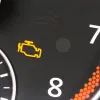
The dashboard and warning lights are the car’s communication system with the driver. At each ignition:
- All warning lights illuminate for a few seconds (self-test)
- After starting the engine, only the warning lights for active systems should stay on
- Critical warnings requiring immediate attention:
- Engine oil pressure (red)
- Coolant temperature (red)
- Battery charging system (red)
- Parking brake/brake system (red/yellow)
Consult the owner’s manual for the exact meaning of each indicator.
Detecting liquid leaks
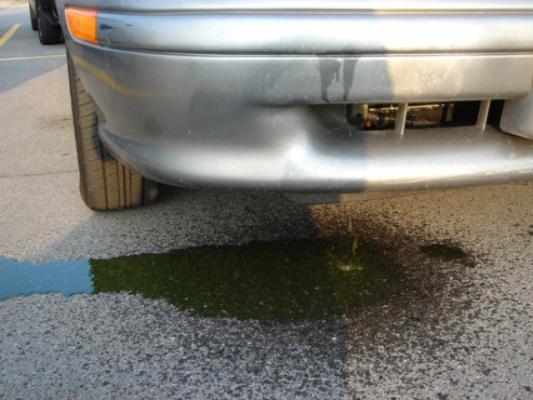
Liquid leaks
Identifying the type of liquid:
- Engine oil: dark brown/black, viscous, with a characteristic smell
- Coolant: green, blue or red, sweet-smelling
- Brake fluid: clear/pale yellow, slightly slippery
- Power steering fluid: dark red or brown, viscous
- Fuel: strong odor, evaporates quickly
- Water: from climate – normal in highly humid conditions
Locating the source:
- Check reservoir levels first
- Inspect beneath the hood with a flashlight
- Follow the leak trail from the point of impact upward
- For active leaks, start the engine and observe where it drips from
Frequency of checks based on usage
For daily urban use:
- Weekly checks: tires, bodywork
- Monthly checks: lighting, warning indicators, leaks
- At each fueling: tire pressure
For frequent trips/high mileage:
- Checks twice a week
- Before every long trip: complete inspection
- Pay particular attention to tire wear and fluid levels
For sporadic use:
- Complete check before each use
- Be mindful of damage due to extended parking
- Regular battery and tire checks
These simple checks, performed regularly, will give you confidence that your car is in optimal working condition and help you avoid unpleasant situations on the road.
-200x150.webp)