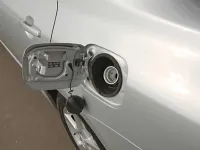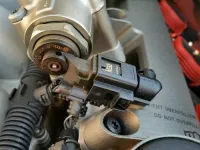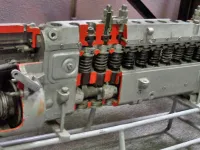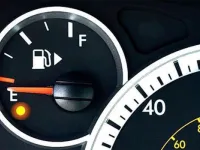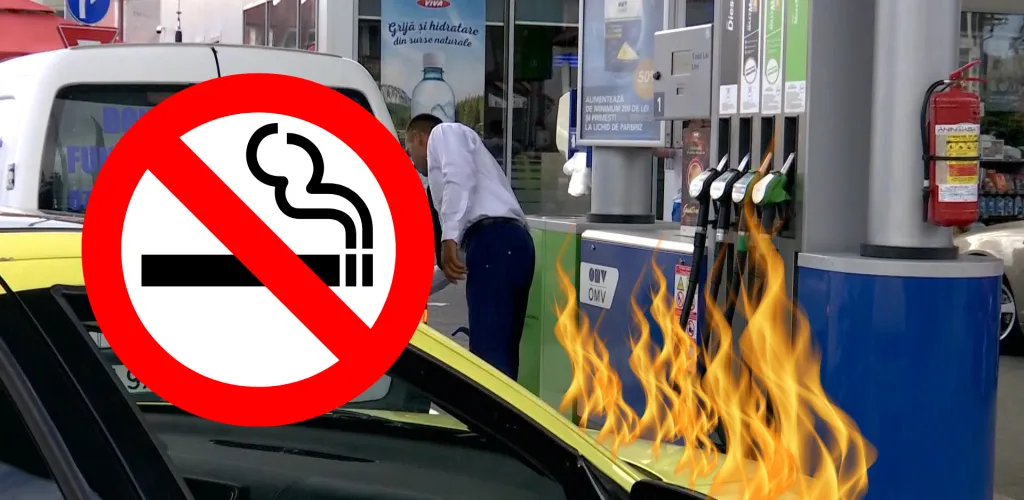
- Turn off engine, AC, and electricals before fueling to reduce ignition risk.
- No smoking or ignition sources; vapors ignite easily, hazard radius 3-4 meters.
- Avoid synthetic fabrics; discharge static by touching metal before fueling.
- Never leave nozzle unattended; monitor fueling to prevent leaks and overfill.
Fueling your vehicle is a routine activity performed by millions of drivers daily. While it seems straightforward, following safety rules is crucial to protect the vehicle, your health, and the safety of others. This comprehensive guide covers all the important aspects you need to know for a safe fueling experience at the pump.
From the basics of safe fueling to emergency procedures, the article explains practical actions and the technical reasons behind them, helping you make informed decisions and respond correctly in unexpected situations.
Fundamental Safety Rules
Always Turn Off the Engine
This is the golden rule of fueling. The engine must be turned off completely before you begin fueling. The reasons are clear and grounded in fundamental technical principles:
- Prevent the risk of fire in case of fuel leaks
- Eliminate potential ignition sources from the exhaust system
- It is legally mandatory in most countries
- Reduce harmful fuel vapour emissions into the atmosphere
Important: Also turn off the air conditioning system and any other auxiliary electrical equipment. The air conditioning compressor and alternators can generate sparks during operation, adding an ignition risk.
No Smoking and No Ignition Sources
Smoking is the main cause of fires at gas stations. European statistics show that:
- The ignition temperature of gasoline varies between 200-400°C
- A lit cigarette can reach temperatures well over 700°C
- Fuel vapours are highly flammable and can ignite at very low concentrations
- The hazard radius extends up to 3-4 meters from the pump
Strictly prohibited:
- Smoking within the gas station premises
- Using lighters or matches
- Lighting any open flame sources
- Using electronic cigarette vapours (they may contain batteries prone to short circuits)
Avoid Synthetic Fiber Clothing
a) Synthetic materials can generate dangerous electrostatic discharges, a physical phenomenon important to understand:
- They can cause sparks at the nozzle contact
- They are highly flammable in the event of a fire
- They melt and stick to the skin if exposed to heat, worsening injuries
- Static electricity accumulates especially in cold, dry conditions
Solution: Before fueling, touch a metal pole at the pump or the car body to discharge accumulated static electricity. This simple gesture eliminates the potential electric charge on your body.
Correct Fueling Technique
Continuous Monitoring of the Nozzle
Never leave the pump nozzle unattended:
- The risk of fuel leaks is high
- It can lead to overfilling the tank
- Quick response is essential if a problem occurs
- The automatic shut-off system can fail in 1-2% of cases
Correct position: Hold the nozzle firmly, one hand on the body and the other on the handle, maintaining metal contact for grounding.
Avoid Overfilling
Why you should not force the fill:
- The risk of leaks and spills increases dramatically
- It can damage the tank venting system (EVAP system)
- May cause damage to the vehicle’s fuel pump due to excessive pressure
- It pollutes the environment
- It can degrade the charcoal canister (activated carbon filter that captures vapours)
Golden rule: When the nozzle stops automatically, fueling is complete. The tank needs space for thermal expansion of fuel. At high temperatures, fuel can expand by 3-5%.
Choosing the Correct Fuel
Universal color code:
- Green/Red: Gasoline (95, 98 octane)
- Black: Diesel
- Blue: AdBlue (for Euro 6 diesel vehicles)
In case of a mistake:
- DO NOT start the engine - this is the most important rule
- Move the car away from the pump (push it if necessary)
- Contact an authorized service immediately
- The tank must be emptied and cleaned
- The fuel system may require professional cleaning
Consequences of incorrect fueling:
- Gasoline in diesel: Damage to the high-pressure fuel pump (costs 5,000-15,000 RON)
- Diesel in gasoline: Clogging of injectors and catalyst
- AdBlue in diesel: Major damage to the fueling system
Health Protection
Avoid Contact with Fuel
Health risks:
- Inhalation of vapours: respiratory problems, dizziness, headaches, nausea
- Skin contact: irritation, dermatitis, absorption through skin
- Eye contact: severe irritation, possible corneal damage
- Prolonged exposure: long-term effects on the nervous system
Protective measures:
- Position yourself so you do not inhale vapours directly
- Stand upwind of the fuel door, opposite the direction of the wind
- Wear protective gloves if possible
- In case of contact, wash immediately with soap and water
- In case of eye contact, rinse thoroughly for 15 minutes and seek medical advice
Chemical composition: Gasoline contains benzene (carcinogenic), toluene and xylene, all with harmful health effects.
Protecting Children
Strict safety rules for children:
- Keep children in the vehicle during fueling (with windows slightly open for ventilation)
- Do not expose them to toxic vapours—their respiratory system is more sensitive
- If no adult remains in the car, take them with you after fueling
- Never leave them unattended
- Ensure child locks are engaged
Attention: Children under 12 should not be left alone in a vehicle for more than a few minutes, regardless of season.
Theft Prevention and Personal Safety
Locking the Vehicle
Why it is essential:
- Protect valuables
- Prevent car theft (rises at gas stations)
- Thieves exploit drivers’ distraction while fueling
- Statistics: 15-20% of car thefts occur at gas stations
Extra tip: Do not leave valuables in sight and ensure all windows are closed. Keep keys on your person, not in easy reach.
Limiting Distractions
Mobile phone – the main cause of inattention:
- Can lead to pulling the nozzle out of the tank (damages of 500-2,000 RON)
- Increases crash risk fourfold
- Lowers vigilance in emergencies
- Risk of electrostatic discharge from electronic devices
Other distractions to avoid:
- Intense conversations with passengers
- Listening to music at high volume with the engine off
- Multitasking (eating, drinking, etc.)
- Photographing at the pump (flash can be dangerous)
Emergency Situations and Safety Measures
Preparation for Emergency Scenarios
In case of fire:
- Evacuate immediately all people from the vehicle
- Move away quickly from the danger zone (minimum 50 meters)
- Inform the gas station staff – they have professional extinguishing systems
- Call 112
- Do not attempt to extinguish the fire with water – fuel burns on water
- Identify the location of fire extinguishers (powder or CO2)
- Do not return for personal belongings
In case of large spills:
- Immediately stop fueling
- Move away from the contaminated area
- Inform gas station staff – they have special procedures
- Avoid any ignition sources
- Do not attempt to clean up the spilled fuel yourself
- Follow the instructions of trained personnel
Additional Safety Checks
Before fueling:
- Check the condition of the nozzle for cracks or leaks
- Ensure there are no visible leaks at the pump
- Verify that the fuel cap opens correctly
- Check that the automatic locking system functions
After fueling:
- Tighten the fuel cap firmly (3-4 clicks for sealing)
- Ensure you haven’t left anything at the pump
- Wipe any fuel drips from the car with a cloth
- Check the receipt for the correct quantity
Technical Aspects and Maintenance
Optimal Refueling Moment
For maximum efficiency:
- Early morning – fuel is denser at lower temperatures (1-2% volume gain)
- Avoid peak hours when underground tanks are agitated
- Do not refuel soon after a tanker arrives – sediments in the tank are suspended
- At temperatures of 15-20°C you achieve optimal density
Technical explanation: Fuel is measured volumetrically, but its energy content depends on density. At lower temperatures, the same quantity in liters contains more energy.
Maintaining the Fuel System
Tips for longer vehicle life:
- Do not drive constantly with the tank nearly empty – the pump cools itself through fuel
- Periodically use additives to clean the system (every 10,000-15,000 km)
- Replace the fuel filter according to the maintenance schedule (diesel: 20,000-30,000 km, gasoline: 40,000-60,000 km)
- Periodically check system tightness
- On older vehicles, inspect the condition of fuel lines
Signs of problems:
- Persistent fuel smell
- Hard starting
- Power loss
- Unexplained higher fuel consumption
- The Check Engine light comes on
Environmental Considerations
Protecting the Environment
Ecological responsibility:
- Avoid spilling fuel on the ground – 1 liter can contaminate 1,000,000 liters of water
- Report any leaks to the gas station staff
- Use only the necessary amount of fuel
- Choose environmentally friendly fuels when possible (E10, biodiesel)
- Consider vapor recovery – modern systems reduce emissions by up to 95%
Environmental Impact:
- Fossil fuels contribute to CO2 emissions
- Spills affect soil and groundwater for decades
- Vapors contribute to tropospheric ozone formation
Conclusion
Safe fueling is not only about following rules – it is a responsibility for your own safety and that of others. These simple measures, applied consistently, can prevent serious accidents and contribute to a safer experience for all gas station users.
Understanding the technical aspects of the fueling process, from how the fuel system operates to the physico-chemical properties of fuels, helps you make informed decisions and respond correctly in unexpected situations.
Remember that safety at gas stations is a collective effort. By following these rules and educating others, we contribute to a safer environment for all drivers. Every prevented accident saves lives and protects property.
Final recommendation: Always keep in your car the phone number of a trusted service provider and your insurer for emergencies. A portable fire extinguisher (1-2 kg, annually checked) can make a difference in minor fires.