- 98 RON fuels resist detonation better than 95 RON, but benefits depend on engine design
- Engines built for 95 RON show no notable gains from premium fuel
- Premium fuels suit high-compression or performance engines
- Detonation sensors (knock sensors) let engines adjust timing to prevent damage
Choosing the right fuel for a vehicle is a crucial decision that can influence the engine’s performance, durability, and maintenance costs. While using higher-octane gasoline generally does not cause problems, there are rare situations where malfunctions can occur, especially if you do not follow the manufacturer’s specifications.
In practice, most drivers face the dilemma of choosing fuel at gas stations, where the varied offer can create confusion. This choice becomes even more challenging for a newly purchased car, when knowledge of the engine’s technical requirements is essential.
Types of gasoline available on the Romanian market
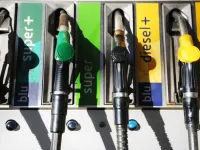
Most fuel stations in Romania offer two main gasoline variants, differentiated by octane number:
Petrom:
- 95 RON standard gasoline
- 99 RON extra gasoline
Rompetrol:
- Efix 95 RON
- EfixS 98 RON
OMV:
- MaxxMotion 95 RON
- MaxMotion 100plus
MOL:
- EVO100 plus gasoline (over 100 RON)
These differences in naming and numbers are not just marketing — they represent concrete technical characteristics that influence the engine’s behavior.
What octane rating means and how it affects the engine
The octane rating is the fundamental parameter that differentiates gasoline types and determines the fuel’s resistance to self-ignition. The higher the octane rating, the better the fuel resists cylinder compression without igniting spontaneously.
Gasoline with 98 RON presents superior resistance to detonation compared with 95 RON, being a premium fuel that contains specialized additives to protect and clean the engine.
As Michael Fratita, head of works at the Faculty of Engineering in Galați, explains: “Gasoline with 98 will auto-ignite at a higher temperature than gasoline with 95. The higher the octane rating, the harder it will auto-ignite.”

Diesel difference
In diesel engines, the situation is the opposite. Diesel operates on the cetane number principle, where a higher value means easier ignition at lower temperatures - the exact opposite of gasoline.
Impact on engine performance
Engines with standard requirements (95 RON)
For engines designed to run on 95 RON gasoline, using higher octane fuel (98 RON) will not yield notable performance improvements. These engines have been optimized for a certain fuel type and cannot take advantage of premium gasoline’s benefits.
High-performance engines (98+ RON)
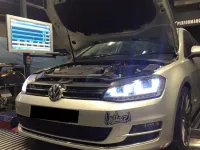
Sports cars, high-power models, or vehicles with high compression ratio engines require premium gasoline. These engines are equipped with:
- High compression ratios
- Advanced injection systems
- High-performance turbochargers
- ECU mappings optimized for premium fuel
Detonation sensors and automatic adaptation
Most modern engines are equipped with knock sensors mounted on the engine block, allowing dynamic adjustment of the ignition timing. These sensors detect abnormal combustion and adjust engine parameters to prevent damage.
Detonation refers to abnormal combustion, characterized by the appearance of a secondary flame front in the combustion chamber, which propagates before the planned spark occurs. This phenomenon can cause:
- Reduced engine power
- Increased fuel consumption
- Premature wear of pistons and rings
- Valve damage
Role of additives in fuel
Premium gasoline contains specialized additives that fulfill multiple functions:
Additives to increase octane rating:
- Improve detonation resistance
- Allow optimal operation of high-performance engines
Cleaning additives:
- Prevent deposits in the injection system
- Keep the combustion chambers clean
- Protect intake valves
Legal limits: According to European standards, the sulfur content in fuel must not exceed 10 mg/L, to reduce impact on the exhaust system and the catalytic converter.
Practical recommendations for drivers
Following the manufacturer’s specifications
The most important principle is to always follow the recommendations in the owner’s manual. These specifications are the result of extensive tests conducted by the manufacturer and guarantee:
- Optimal engine operation
- Warranty compliance
- Lower maintenance costs
- Emissions within legal limits
When to use premium gasoline
Mandatory for:
- High-compression sport engines
- Luxury vehicles with premium specifications
- Cars where the manufacturer recommends a minimum 98 RON
Optional for:
- Frequent aggressive driving
- Severe operating conditions (extreme heat, congested traffic)
- The desire to maximize engine cleanliness
Risks and contraindications
Using a fuel with an octane rating lower than recommended can cause:
- Persistent detonation
- Reduced power and torque
- Accelerated wear of internal components
- Increased emissions
- Warranty void
Conversely, using premium gasoline in an engine designed for 95 RON is generally safe, but does not justify the extra cost in terms of performance.
Conclusion
The correct fuel choice doesn’t have to be a mystery. Following the owner’s manual specifications remains the golden rule, regardless of marketing arguments at the pump. For standard engines, 95 RON gasoline is perfectly adequate, and investing in premium fuel will not translate to superior performance.
For owners of high-performance vehicles, premium gasoline is not just an option but a technical necessity that ensures optimal operation and longevity of the engine. In the end, an informed choice based on knowledge of your vehicle’s technical requirements will save money and prevent long-term problems.