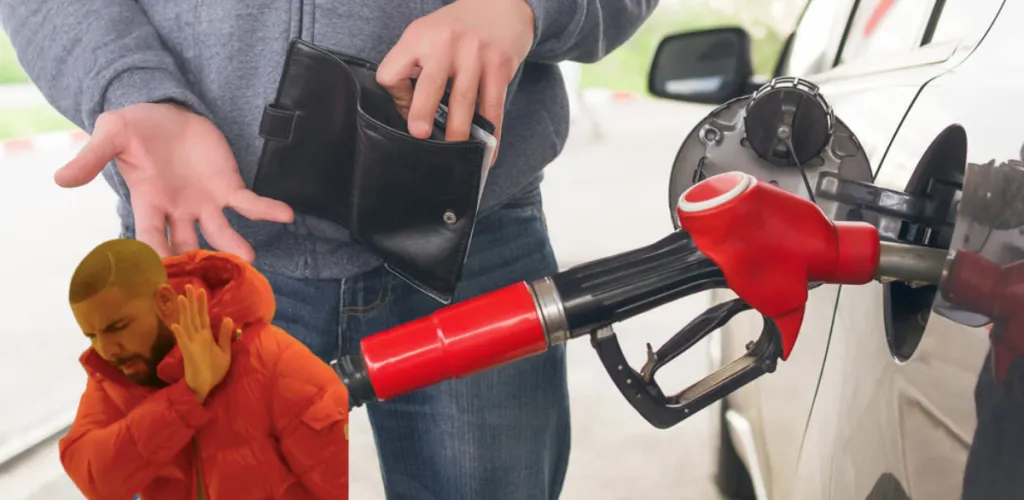
- Romania ends 50 bani per liter fuel subsidy from January 2023.
- Regular gasoline 6.5-6.7 lei/L; diesel 7.6-7.8 lei/L.
- Excise taxes cut 22-24 bani/L to offset the subsidy removal.
- Prices may stagnate 1-2 months, then rise in spring 2023.
Early 2023 brings unwelcome news for drivers in Romania: the 50 bani per liter fuel subsidy will be eliminated starting January, which will lead to noticeable hikes at the pump. At the same time, a modest reduction in excise taxes will only partially mitigate the impact of this measure.
Although the price of a barrel of oil has fallen considerably from the highs of the first half of 2022, the government has decided that the fuel market has stabilized sufficiently to remove direct financial support for consumers.
New fuel prices in January 2023
Based on data from December 29, 2022, when the average price of standard gasoline was between 6.1-6.3 lei per liter and standard diesel stood at 7.15-7.35 lei per liter, the post-subsidy estimates are as follows:
- Regular gasoline: 6.5-6.7 lei per liter
- Diesel: 7.6-7.8 lei per liter
These increases mean that a full tank (for a standard 50-60 liter tank) will cost on average 25-30 lei more than today.
Impact of the elimination of the 50 bani subsidy
The government measure to remove the subsidy comes at a time when many Romanians are already facing the effects of high inflation. The 50 bani per liter subsidy, though modest compared with similar measures in countries such as Hungary or Poland (where cuts were 30-35%), represented real relief for household budgets.
Drivers who use their car regularly say the subsidy had a positive impact on their monthly budget, while occasional drivers did not feel a significant difference.
Reduction of excise taxes - a partial offset
To soften the impact of removing the subsidy, the government decided to cut fuel excise taxes by about 22-24 bani per liter, starting January 2023. This measure represents an attempt to balance the negative effect on consumers.
However, there are concerns that fuel distributors may take advantage of this excise cut to raise their own margins, given that excise taxes are a tax they pay to the state.
Medium-term perspectives
Industry experts warn that the current measures could be temporary. There is a probability that:
- Prices may stagnate for 1-2 months
- Significant increases may begin starting in spring 2023
- Volatility in the international oil market may again influence local prices
Government monitoring and future measures
Prime Minister Nicolae Ciucă said that the evolution of fuel prices will be closely monitored by the state authorities. If costs once again exceed the average Romanian purchasing power, the government does not exclude reintroducing support measures.
This approach suggests a reactive government strategy that will intervene only when the situation becomes critical for consumers.

Regional context and comparisons
While Romania eliminates the subsidy, other countries in the region have adopted different strategies to shield consumers from fuel price volatility. Measures in Hungary and Poland, with substantial cuts of 30-35%, show that there are more generous options to support citizens.
The elimination of the subsidy in Romania also appears influenced by the upcoming elections, with the government seeking a balance between supporting the population and consolidating the state budget.